


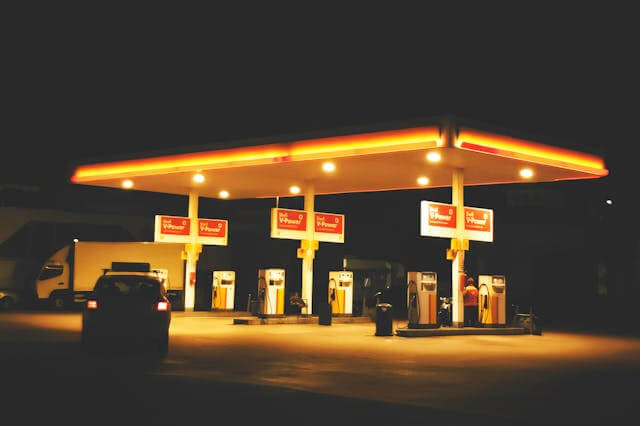
Every minute spent at a gas station is a minute that a driver is not completing a delivery or service call. Shifting away from the old routine of daily fuel stops can transform how a company operates. Teams can focus on their core tasks, not logistical hurdles.
Managers are looking for ways to streamline operations and keep their vehicles moving without constant interruptions at the pump.
The Hidden Cost Of Traditional Fueling
Stopping for gas seems like a minor task during the workday. If a driver spends 20 minutes finding a station and filling up, those minutes add up quickly across a whole team. Labor costs for those idle minutes can drain a budget faster than most people realize.
Wasted time at the pump is not the only problem. Drivers take longer breaks when they stop at convenience stores. Small delays can push back an entire schedule by an hour or more. Keeping trucks away from retail stations will maintain a strict timeline for deliveries.
Fuel theft comes with traditional fueling. It is harder to track exactly where every gallon goes when drivers use individual cards. A centralized system provides much better control over company resources.
Strategies For Modern Fleet Management
Efficiency starts with a plan that accounts for every mile traveled. Implementing on-site fueling can remove the need for off-site trips entirely. A well-organized schedule guarantees that every truck is ready for action, so you won’t waste precious morning hours at a retail location.
Managers can use data to see exactly how much fuel each vehicle uses. When a vehicle starts burning more fuel than usual, it is a sign of a mechanical issue. Scheduling fuel deliveries during off-hours means the fleet is ready to go as soon as the drivers arrive. There is no need for a staggered start or waiting for the first few trucks to return from the gas station.
Maximizing Driver Productivity Every Single Day
Drivers face long lines or crowded stations during peak hours. Eliminating these daily detours keeps the focus on customer service and route completion. When the tank is full before the shift starts, the crew hits the road immediately.
Better efficiency can result in higher revenue without adding more vehicles to the fleet. Employees appreciate having one less thing to worry about during their day. They can focus on driving safely and meeting their targets. A streamlined morning routine sets a positive tone for the entire workday.
Reducing The Total Cost Of Vehicle Ownership
The total cost of ownership for a fleet asset in 2025 averaged about $6,398.19, a figure that sits lower than the broader fleet-wide average of over $10,168.71. Managing these expenses requires a close look at every operational detail. Reducing the number of miles driven just to find fuel helps lower these costs. Every extra mile contributes to tire wear and engine strain.
Maintaining a lower total cost of ownership allows a business to reinvest in better technology. New software can optimize routes and save even more money. It creates a cycle of improvement that benefits the whole company.
Calculating The True Value Of Fuel Efficiency
Fuel consumption represents a massive portion of the daily expenses for any service-oriented business. Fuel costs for service vehicles averaged around $0.15 per mile lately. Such a high number accounts for roughly 60% of the total operating cost per mile for those trucks. Small changes in how a company procures gas can translate into big savings.
Improving fuel efficiency affects how the fuel is managed and delivered. Reducing idle time and unnecessary trips to the pump makes every gallon go further. Managers must monitor these costs closely to set better budgets and predict monthly expenses with more accuracy.
The Rise Of Mobile Service Solutions
The way businesses get their supplies is changing rapidly across the globe. In 2024, the global market for mobile fueling services reached $2.3 billion. Projections show a steady growth rate of nearly 12% annually for the next several years. More companies are opting for delivery instead of visiting a traditional station.
Businesses value convenience and efficiency more than ever. Mobile delivery fits perfectly into a modern workflow, and companies can scale up so they won’t have to build their own storage tanks.
Improving Safety And Risk Mitigation
Sending drivers to retail stations introduces extra risks to the daily routine. Gas stations are high-traffic areas where fender benders or other incidents are more likely to happen. Keep vehicles in a secure lot for fueling to reduce exposure to these common hazards.
Drivers are less likely to experience accidents when they stay on their planned routes. Every turn into a busy parking lot is a chance for a collision. Minimizing these turns makes the job safer for everyone. Insurance companies look favorably on businesses that take steps to reduce risk.
- Reduced idle time
- Lower labor expenses
- Better route planning
- Enhanced vehicle security
Improving Employee Job Satisfaction
Drivers enjoy a smoother workday when they do not have to hunt for a gas station. It removes a common source of stress and frustration from their routine. A happy driver will stay with the company for a long time. Low turnover rates save the company money on training and hiring.
Recruiting new talent is easier when the job is seen as efficient and organized. Potential employees are drawn to companies that use modern tools to make the work better. It shows that the business cares about the daily experience of its staff.
Environmental Benefits Of Optimized Routing
Driving out of the way to find a gas station burns extra fuel and increases emissions. Direct delivery can minimize the total distance driven by every vehicle in the fleet. Smaller carbon footprints are a priority for modern businesses looking to stay competitive.
Optimized routing decreases the impact on the environment. Many clients prefer to work with companies that show a commitment to sustainability. Using less fuel is the most direct way to be more eco-friendly and happens to be the best way to save money. Efficiency and environmental care go hand in hand.
- Centralized reporting
- Accurate mileage logs
- Simplified tax filings
- Consistent pricing models
Modernize the way a business handles its energy needs for long-term success. Removing the friction of retail stops allows for a more predictable and controlled environment. Leaders who embrace these changes see immediate improvements in both morale and business operations. It is about working smarter and making sure every vehicle is a productive asset.
