


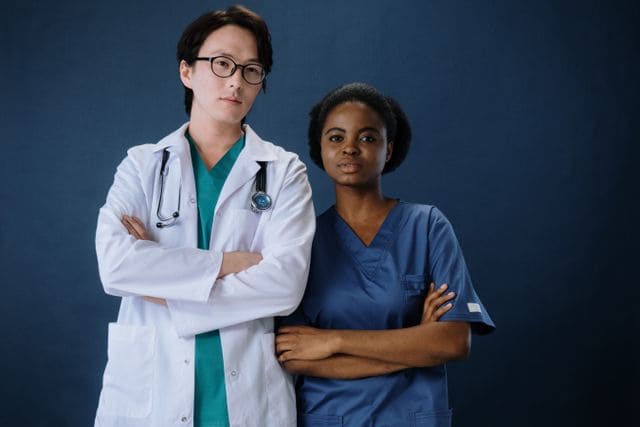
Classes teach medical terminology, protocols, and organized theories. Genuine care differs. It moves quickly, shifts tone unexpectedly, and compels judgment while the facts are still half-formed. The gap between lecture-hall confidence and clinical ability shapes early healthcare careers. Training programs know the stakes; thus, they prepare beyond tests. Clinical settings, simulation labs, community health sites, and documentation roles are testing grounds. Responsibility meets observation, repetition becomes instinct, and human need resists textbook conduct to develop skill.
The Clinic Floor
Nothing replaces the force of a working clinic. Students observe how clinicians greet anxious patients, distinguish urgent symptoms from background noise, and document details while maintaining the human connection throughout the visit. Accurate charting shapes treatment, billing, continuity, and legal protection. Many trainees seek entry points tied to records and physician workflow. Some find scribe jobs online to step into that world. Smart move. Scribing exposes future professionals to diagnosis patterns, clinical language, and the tempo of outpatient care. As nurses build practical experience and prepare to take the next step in their careers, exploring PRN Staffing jobs can also connect them with opportunities across different healthcare settings.
Simulation With Teeth
Simulation labs often get described in soft, promotional language, as if staged emergencies merely offer practice. That misses the point. Good simulation bites back. It creates stress, exposes hesitation and reveals whether a student can organize action when alarms sound and tasks pile up. Faculty can pause, analyze, and ask the difficult question; why was that choice made? No patient is harmed, yet the lesson is still difficult to accept. Aviation figured the issue out long ago. Medicine borrowed the method because people don’t rise through wishful thinking. They rise through rehearsal, correction, and repetition that burns away false confidence.
Community Sites Matter
Academic medicine enjoys modern facilities and specialized units. Fine. Important. Much of healthcare happens outside prominent hospitals. Elite settings blur teachings from community clinics, school health offices, rehabilitation institutions, and outreach units. Chronic disease management, transportation, language, medication, and economic stress affect whether students can sustain treatment programs in daily life. Professionalism is tested here. Technique alone won’t work. Adaptability, patience, listening, and cultural understanding become useful tools.
Mentors and Momentum
Facilities matter, but people matter more. A sharp mentor can compress years of trial and error into a few unforgettable shifts. One preceptor teaches how to prioritize. Another shows how to speak with grieving families without jargon. A seasoned nurse catches a small mistake before it grows teeth. A physician assistant explains why the chart says one thing while bedside reality says another. This transfer of judgment forms the hidden curriculum of healthcare training. Institutions love to measure hours completed and competencies checked off. Necessary, yes. Sufficient, not even close. Real growth appears when experienced professionals model calm, precision, and ethical seriousness.
Conclusion
Future healthcare workers see theory in action. Clinical floors teach velocity and responsibility. Simulation is typically the finest building teacher for controlled failure. Communities impart humility, perspective, and life’s tough truths. Mentors teach judgment, which multiple-choice tests cannot measure. These settings shape practitioners who can think, explain, document, and act steadily when patients require more than facts. Training succeeds when it stops assuming knowledge builds competence. Medicine is a practice-based craft.
