


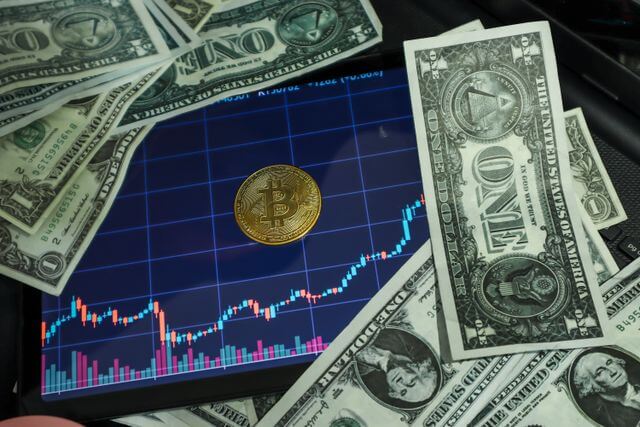
In crypto investing, volatility is part of the experience. One day prices are up, the next they can swing sharply down, which is why many investors look for strategies that reduce stress while building long-term positions.
One of the most popular approaches is dollar-cost averaging (DCA), and modern tools and platforms, like when you buy & sell crypto on the fomo app, make it easier than ever to stay consistent without overthinking the market.
DCA requires consistency, discipline, and removing emotion from the equation so you can invest without constantly checking charts or reacting to headlines.
What Is Dollar-Cost Averaging?
Dollar-cost averaging is a simple investing strategy where you invest a fixed amount of money at regular intervals, regardless of price. Instead of trying to predict when Bitcoin or Ethereum will hit their lowest point, you buy small amounts over time.
For example, rather than investing $1,200 all at once, you might invest $100 every week for 12 weeks. Sometimes you’ll buy at higher prices, sometimes at lower ones, but over time, your average cost smooths out.
This concept has been widely used in traditional investing and retirement accounts for decades. DCA helps reduce the impact of volatility by spreading purchases across time rather than relying on a single entry point.
In crypto, where price swings can be even more dramatic than in traditional markets, this approach can feel especially helpful for newer investors who don’t want to stress over perfectly timing the market.
How Can DCA Help in a Volatile Market?
One of the biggest emotional challenges in crypto is the price movement. Rapid spikes and dips often lead to impulsive decisions, such as panic selling or FOMO buying at local highs. DCA helps remove that emotional pressure.
Instead of asking if now is the right time to buy, you’re simply following a schedule you’ve already committed to. That shift alone can dramatically reduce stress. You stop watching every candle on the chart and start focusing more on long-term accumulation.
DCA can reduce the impact of volatility and help investors avoid the risk of poorly timed lump-sum investments.
For many people, this is where crypto starts to feel more manageable. Instead of treating it like a high-pressure trading environment, it becomes a steady habit—similar to saving or investing into a retirement account.
How Can You Apply Dollar-Cost Averaging?
The most important part of DCA is simplicity. You decide on three things: how much you want to invest, how often you want to invest, and what assets you want to accumulate. After that, the key is consistency.
Many new investors start by choosing a weekly or biweekly schedule because it aligns naturally with pay cycles. The amount doesn’t need to be large. What matters is that it’s sustainable and doesn’t feel stressful during market downturns or personal budget shifts.
Once you set your rhythm, the goal is to avoid constantly adjusting it in response to market news. Crypto will always have headlines that make prices feel urgent in one direction or another, but DCA works best when it stays predictable.
Over time, this approach builds a position gradually while reducing the pressure of “perfect timing.” Instead of trying to predict the market, you’re participating in it steadily, which tends to feel more stable psychologically and financially.
Building a Long-Term Mindset Without the Stress
The real benefit of dollar-cost averaging isn’t just financial—it’s psychological. Crypto markets can be overwhelming when you feel like every price movement requires action. DCA helps you step out of that mindset and into something more structured and calm.
Through investing consistently, you shift your focus away from short-term volatility and toward long-term participation. You’re no longer trying to outguess the market; you’re simply staying in it. Over months and years, this can make investing feel less like gambling and more like a steady financial habit.
At the end of the day, successful crypto investing doesn’t always come from making bold moves. Sometimes it comes from making small, steady ones and letting time do the rest.
