


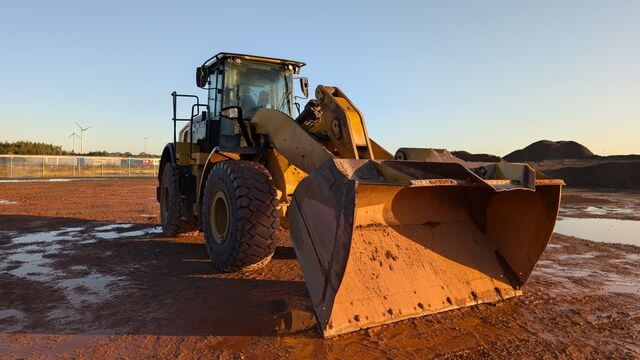
Buying diesel-powered machinery is a significant investment, particularly for businesses that rely on equipment for daily operations. A poor purchasing decision can lead to higher fuel costs, unexpected repairs, limited productivity, and premature replacement. Planning ahead for 2026 means looking beyond the purchase price and assessing how well a machine will support the company over several years. Operational fit, maintenance requirements, service access, equipment condition, and long-term costs should all play a role in the decision.
Start With Your Actual Operational Requirements
The first step is to define exactly how the equipment will be used. Consider the typical workload, required power, operating hours, site conditions, lifting capacity, and any attachments the machine must support. Buying equipment that is too small can lead to overloading and accelerated wear, while an oversized machine may consume more fuel than necessary. Businesses should also consider the mechanical stress created by their operating environment, including issues such as camshaft lobe wear in engines exposed to heavy use or inconsistent servicing. Matching the machine to the job helps improve performance, reliability, and operating efficiency.
Look Beyond the Initial Purchase Price
The lowest-priced machine is not always the most economical choice. Businesses should calculate the total cost of ownership, including fuel, maintenance, financing, insurance, replacement parts, operator training, and expected downtime. A cheaper machine may require more frequent repairs or consume significantly more fuel over its working life. On the other hand, a higher purchase price may be justified by better efficiency, stronger resale value, or longer service intervals. Comparing ownership costs over several years gives buyers a more accurate picture of which option offers the best financial value.
Compare New and Used Diesel Equipment Carefully
New and used equipment can both be suitable, depending on the business budget and operational priorities. New machines generally include warranties, updated technology, improved emissions systems, and predictable maintenance requirements. However, they also involve higher purchase prices and faster depreciation during the first few years. Used diesel equipment can reduce upfront costs, but buyers must investigate its condition carefully. Operating hours, previous applications, storage conditions, and service records all matter. A well-maintained used machine may provide excellent value, while a neglected one can quickly become an expensive liability.
Check Maintenance History and Overall Condition
Maintenance records provide valuable insight into how a machine has been treated. Buyers should look for evidence of regular oil changes, filter replacements, fluid checks, and manufacturer-recommended servicing. Missing records or long gaps between services may indicate neglect. A physical inspection should cover the engine, transmission, cooling system, hydraulic components, electrical systems, tires, tracks, and structural parts. Warning signs include fluid leaks, unusual smoke, excessive vibration, difficult starting, and visible weld repairs. For costly purchases, an independent inspection by a qualified technician can reduce the risk of hidden mechanical problems.
Consider Parts Availability and Service Support
Even reliable equipment will eventually require maintenance or repairs. Before buying, businesses should confirm that replacement parts, diagnostic tools, and qualified technicians are readily available. A machine with limited local support may remain out of service for days or weeks while parts are ordered. This can be especially disruptive when the equipment is essential to production. Established dealer networks and accessible service centres can reduce downtime and simplify routine maintenance. For heavy duty diesel equipment, dependable parts availability may be more valuable than a slightly lower purchase price.
Think About Fuel Efficiency and Future Operating Costs
Fuel is one of the largest ongoing expenses associated with diesel-powered machinery. Buyers should compare consumption rates under realistic working conditions rather than relying only on ideal manufacturer figures. A machine that operates for several hours each day can create substantial fuel costs over the course of a year. Engine efficiency, idle-management technology, machine size, and operator habits all affect consumption. Businesses should also consider maintenance costs linked to emissions systems and fuel quality. Small improvements in efficiency can produce meaningful savings when equipment is used regularly.
Plan for Future Business Needs
Equipment should support both current operations and realistic future growth. Businesses planning new contracts, expanded sites, or higher production volumes may need additional capacity, different attachments, or more versatile machinery. However, purchasing far more power than required can increase fuel use and ownership costs without delivering practical benefits. Buyers should consider the expected service life of the machine, how workloads may change, and whether the equipment can be adapted for different tasks. Flexible machinery often provides better long-term value than equipment designed for one narrow application.
Final Thoughts
Choosing diesel equipment for 2026 requires more than comparing prices and specifications. Businesses should assess operational needs, ownership costs, maintenance history, fuel efficiency, service support, and future demand before committing to a purchase. A careful evaluation can reduce downtime, control long-term expenses, and help ensure that the selected machine remains productive throughout its working life.
