


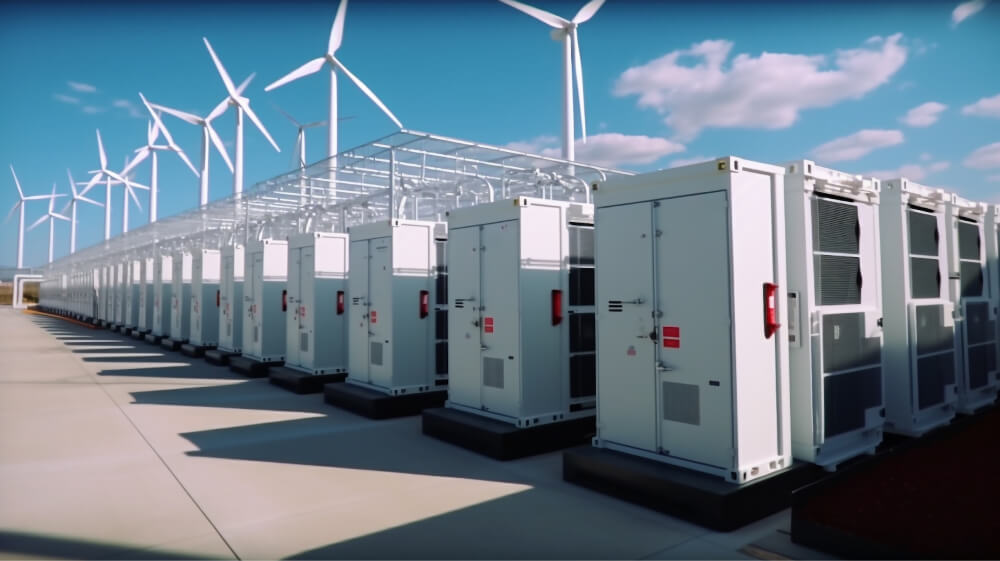
Renewable energy is growing rapidly, yet many systems still face a common challenge. Solar panels only generate electricity during daylight hours, and wind energy depends on unpredictable weather conditions. This creates a mismatch between when energy is produced and when it is actually needed.
A C&I Storage Solution helps solve this problem by storing excess energy and making it available when demand rises. As more commercial and industrial facilities adopt renewable energy, storage systems are becoming essential tools for maintaining reliability, controlling costs, and improving efficiency. Understanding how these systems work can help you make informed decisions in a changing energy landscape.
Understanding the Need for C&I Storage Solutions
Key Pain Points You May Face
- Intermittent energy supply: Renewable sources like solar and wind are not always available
- High electricity costs: Peak demand charges can significantly increase your energy bills
- Grid instability: Power outages or fluctuations can disrupt operations
Why Storage Matters More Than Ever
Renewable energy adoption is accelerating worldwide, with solar and wind installations expanding across both developed and emerging markets. As more organizations invest in clean energy, the challenge is no longer just generation but how to use that energy efficiently when production and demand do not align.
But without storage, much of that energy can go to waste. A C&I Storage Solution allows you to:
- Store excess renewable energy for later use
- Reduce dependence on the grid during peak hours
- Improve energy reliability for critical operations
How a C&I Storage Solution Works
A storage system operates by capturing energy, storing it in batteries, and releasing it when needed. While the concept is simple, the system itself includes several components that work together to manage energy flow efficiently.
Main Components Explained
| Component | Function |
| Battery System | Stores energy for later use |
| Power Conversion System (PCS) | Converts electricity between AC and DC |
| Energy Management System (EMS) | Controls charging and discharging cycles |
| Thermal Management | Maintains safe operating temperatures |
Simple Workflow
- A renewable source generates electricity
- Excess energy is stored in batteries
- EMS monitors demand and pricing
- Stored energy is released during peak demand or outages
This setup ensures that energy is used efficiently and not wasted.
Key Benefits of C&I Storage Solutions
1. Energy Cost Optimization
Electricity prices often vary throughout the day. With storage, you can:
- Charge batteries during low-cost periods
- Use stored energy during high-cost peak hours
This strategy, known as peak shaving, can significantly reduce operational expenses.
2. Improved Energy Reliability
If your operations depend on uninterrupted power, storage provides:
- Backup power during outages
- Protection against voltage fluctuations
This is especially important for industries like manufacturing, healthcare, and data centers.
3. Better Renewable Energy Utilization
Without storage, excess solar or wind energy may be curtailed (wasted). Storage ensures:
- Maximum use of on-site renewable generation
- Reduced reliance on fossil-fuel-based grid power
4. Grid Support and Stability
A C&I Storage Solution doesn’t just benefit you; it also helps the grid by:
- Balancing supply and demand
- Providing frequency and voltage regulation
System Design and Integration Models
The design of a storage system depends on how it integrates with existing energy infrastructure. Some systems are connected directly to the grid, while others are paired with renewable energy sources such as solar installations.
AC-Coupled vs. DC-Coupled Systems
| Type | Best For | Key Advantage |
| AC-Coupled | Existing energy systems | Flexible integration |
| DC-Coupled | New renewable projects | Higher efficiency |
AC-coupled systems are often used when adding storage to an existing setup because they are easier to integrate. DC-coupled systems, on the other hand, are typically used in new installations where efficiency is a priority. Both approaches allow you to tailor the system to your specific energy needs.
Standalone vs. Hybrid Systems
Standalone systems operate independently of renewable generation, while hybrid systems are directly integrated with renewable sources. Hybrid systems are becoming more common because they allow for better coordination between energy generation and storage. Modular designs also make it possible to scale systems over time, which is useful as energy demands grow.
Real-World Applications Across Industries
Commercial Buildings
- Office complexes using rooftop solar
- Retail centers reducing peak demand charges
Industrial Facilities
- Manufacturing plants ensure continuous operations
- Warehouses optimizing energy costs
Microgrids and Remote Areas
- Independent energy systems in off-grid locations
- Improved reliability in weak grid regions
Virtual Power Plants (VPPs)
Multiple storage systems can be aggregated to act as a single power source, helping utilities balance demand across regions.
Practical Considerations Before Implementation
Before adopting a C&I Storage Solution, you should evaluate several factors.
1. System Performance Metrics
- Round-trip efficiency: How much energy is retained after storage
- Cycle life: Number of charge/discharge cycles before degradation
2. Safety and Maintenance
Battery systems require:
- Thermal management systems
- Monitoring tools to detect faults early
3. Regulatory Compliance
You must ensure:
- Compliance with local grid codes
- Proper permits and interconnection approvals
4. Cost and ROI
While upfront costs can be high, long-term savings often come from:
- Reduced energy bills
- Lower downtime costs
- Participation in demand response programs
Technology Trends Shaping the Future
Advanced Battery Technologies
Lithium-ion remains dominant, but alternatives like sodium-ion and flow batteries are emerging, offering:
- Longer lifespans
- Improved safety
- Lower material costs
Digitalization and Smart Energy Management
Modern systems use:
- AI-driven forecasting
- Real-time monitoring via IoT
These technologies allow you to optimize energy usage automatically.
Integration with Multi-Energy Systems
Future systems may integrate with:
- Electric vehicles (EVs)
- Hydrogen storage
- Thermal energy systems
This approach creates a more flexible and resilient energy ecosystem, where different energy forms can be managed together. As innovation continues in this space, companies like CHINT are contributing to the advancement of integrated energy and storage technologies that support these evolving systems.
Conclusion
The transition to renewable energy is reshaping how power is generated and consumed. However, without effective storage, much of that energy cannot be used efficiently. A C&I Storage Solution bridges this gap by ensuring that energy is available when it is needed most.
By improving reliability, reducing costs, and supporting better energy management, storage systems are becoming essential in modern energy infrastructure. As technology continues to evolve, these systems will play a central role in enabling a more sustainable and efficient energy future.
