


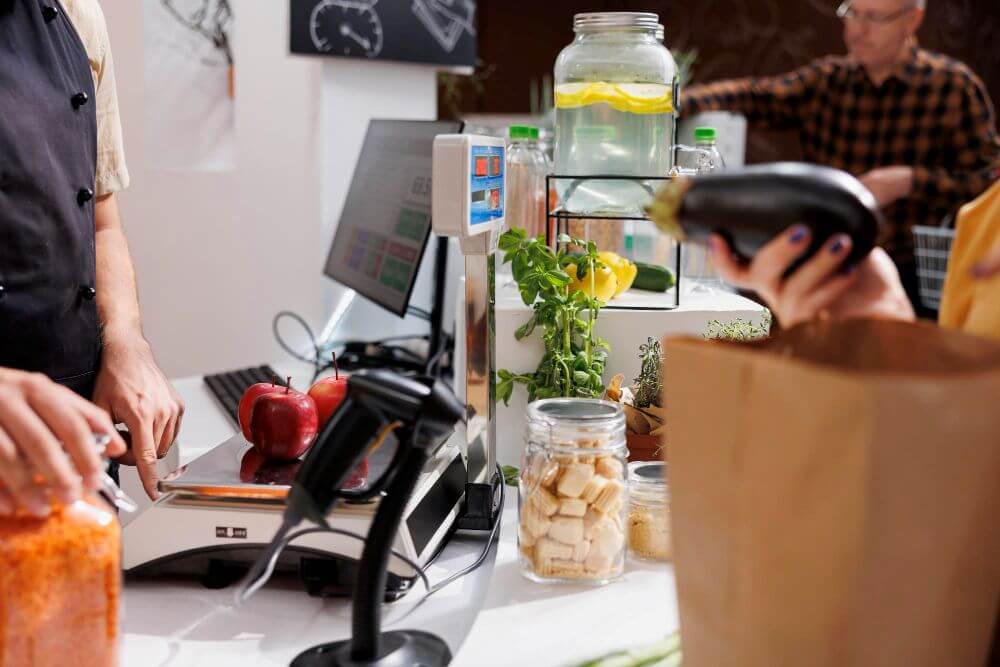
Starting a food or beverage business is thrilling. New recipes. Packaging decisions. Brand identity. The excitement is real — but so is the workload.
Marketing often becomes the biggest pressure point. Founders juggle social media, email campaigns, promotions, customer feedback, loyalty programs, and delivery platform updates all at once. That’s a lot for small teams already handling operations, sourcing, and compliance.
So how do growing food brands keep customers engaged without burning out?
Automation.
Marketing automation is no longer reserved for large companies with massive budgets. Today’s tools help small food startups communicate with customers consistently, personalize offers, and maintain visibility without requiring constant manual effort. According to the State of Marketing Automation 2023 — Ascend2 Research, 76% of marketers already use automation platforms to improve campaign performance, while 35% report higher lead conversions after adoption.
Food founders are noticing.
From AI-powered personalization to loyalty rewards that run automatically, automation is reshaping how F&B startups grow. This article explores the major trends driving adoption, the benefits for emerging brands, and the practical challenges founders should prepare for.
Let’s dive in.
Why Marketing Automation Matters for Food and Beverage Startups
Food businesses operate in a highly emotional purchase category. Customers don’t just buy meals — they buy experiences, cravings, convenience, and comfort. That makes consistent engagement extremely valuable.
But consistency takes time.
Automation allows startups to maintain relationships without needing full-time marketing teams. It supports repeat purchases, improves retention, and helps brands stay present in customers’ daily routines.
Research from Deloitte Insights shows that 62% of consumers increased their use of digital ordering and engagement channels, while digitally engaged customers spend 2.5× more than those who aren’t.
That’s not a small difference.
Automation helps founders:
- Send targeted promotions based on buying habits
- Schedule social media content in advance
- Trigger loyalty rewards after purchases
- Collect feedback automatically
- Re-engage inactive customers
Simple actions. Big impact.
AI-Driven Personalization Is Becoming the Growth Engine
Customers Expect Tailored Experiences
Consumers now expect brands to understand their preferences. Generic messages don’t resonate the way personalized recommendations do.
The Twilio Segment State of Personalization Report found that 56% of customers become repeat buyers after personalized interactions, and 60% of business leaders link personalization directly to retention.
For food startups, personalization can look like:
- Recommending favorite dishes
- Offering birthday discounts
- Sending reminders for frequently ordered items
- Highlighting dietary preferences (vegan, gluten-free, keto)
Small details. Powerful loyalty drivers.
The expectations are rising as well. According to McKinsey’s personalization research, 71% of consumers expect personalized brand interactions, and 76% feel frustrated when personalization is missing.
That frustration often leads to lost customers.
AI Tools Reduce Manual Work
AI personalization tools analyze order data, browsing behavior, and engagement patterns to automate tailored messaging. Instead of manually segmenting customers, founders can rely on systems that adapt messaging in the background.
Many small brands discover that AI saves marketing hours weekly by generating campaign ideas, optimizing send times, and creating targeted content variations.
Time saved means more time improving recipes, customer service, and operations.
Win-win.
Loyalty Automation Is Fueling Repeat Purchases
The Power of Automated Rewards
Loyalty programs have always worked in food retail. Coffee stamps. Points cards. Buy-one-get-one offers.
But manual loyalty systems create friction. Customers forget cards. Staff forget to track visits. Data gets lost.
Automation solves this.
Digital loyalty platforms automatically reward customers after purchases, track engagement, and trigger incentives at the right moment. For example:
- After five purchases, a free item is delivered automatically
- Customers receive reminder offers when points are close to redemption
- Exclusive promotions go to top spenders
No awkward reminders required.
Retention Over Acquisition
Customer acquisition is expensive for startups. Loyalty automation helps shift focus toward retention, which is often more profitable.
Research cited byAscend2 highlights that 44% of companies use automation primarily to improve customer experience — a key factor driving repeat business.
For food founders, that means:
- Higher average order value
- More predictable revenue
- Stronger brand advocacy
- Better customer lifetime value
Consistency matters. Loyalty automation delivers it.
Social Media Scheduling Is Becoming a Founder’s Best Friend
Posting Consistently Without Daily Stress
Food brands live on visual platforms. Instagram. TikTok. Facebook. Short-form video. Menu highlights. Limited-time offers.
The problem? Posting consistently while running a kitchen is exhausting.
Social media scheduling tools allow founders to batch content creation and publish automatically. Weekly planning replaces daily pressure.
One afternoon of content creation can support an entire month of posting.
Freedom.
Data-Driven Timing and Content Optimization
Automation tools also analyze engagement patterns to suggest optimal posting times and formats. This removes guesswork and helps startups compete with larger brands.
The Salesforce State of Marketing Report notes that 78% of marketers use automation for customer journey coordination, and teams now manage an average of 10 marketing channels simultaneously.
That level of complexity is impossible to manage manually for most startups.
Automation makes multi-channel presence realistic.
Email and SMS Automation Are Driving Direct Revenue
Triggered Messaging That Feels Personal
Email and SMS remain two of the highest-converting channels for food brands. Automation allows these messages to feel timely rather than intrusive.
Common examples include:
- Abandoned cart reminders for online ordering
- Delivery updates and order confirmations
- Personalized discount offers after inactivity
- New menu item announcements based on preferences
These messages feel helpful rather than promotional when timed correctly.
And timing is exactly where automation shines.
Behavior-Based Campaigns Increase Conversions
Instead of sending mass promotions, behavior-based automation targets customers based on actual actions. This leads to higher engagement and stronger conversion rates.
That aligns with Ascend2’s finding that 35% of marketers see measurable improvements in conversion after implementing automation.
Small improvements compound quickly for startups with limited budgets.
Offline Marketing Is Also Becoming Automated
Automation doesn’t stop at digital channels. Physical marketing materials can be integrated into automated campaigns as well.
For example:
- QR codes that connect posters to loyalty programs
- Personalized coupons printed for local distribution
- Limited-time event posters tied to automated email campaigns
Many startups combine digital messaging with professional promotional poster printing to maintain strong local visibility while reinforcing automated campaigns.
Online plus offline. A powerful mix.
Benefits Food Startup Founders Experience From Automation
1. Time Efficiency
Automation reduces repetitive tasks such as scheduling posts, sending reminders, and managing customer segmentation. Founders gain time to focus on food quality and service.
2. Stronger Customer Engagement
Personalized messaging creates emotional connections. Customers feel recognized and valued, which increases repeat visits.
3. Revenue Predictability
Automated loyalty rewards and retention campaigns help stabilize demand, making forecasting easier.
4. Data-Driven Decisions
Automation platforms collect insights about customer behavior, campaign performance, and product popularity. This helps founders make smarter marketing decisions.
5. Scalability Without Hiring Pressure
Automation allows startups to expand marketing efforts without immediately hiring dedicated marketing teams.
Growth without overload.
Adoption Challenges Founders Should Prepare For
Automation offers major advantages, but it isn’t without hurdles.
Tool Overload
With hundreds of automation tools available, founders may feel overwhelmed choosing the right stack. The Salesforce report shows teams already manage around 10 channels, making integration planning important.
Learning Curve
Even user-friendly platforms require setup, testing, and optimization. Early frustration is normal.
Patience helps.
Maintaining Authentic Brand Voice
Automation must not make communication feel robotic. Food brands thrive on warmth, storytelling, and personality. Templates should always reflect the brand’s tone.
Data Privacy Considerations
Collecting customer data requires transparency and responsible handling. Trust is a key factor in customer retention.
Automation works best when paired with thoughtful strategy.
How Food Startups Can Begin Using Automation
Not everything needs to happen at once.
Start small.
A practical adoption path might include:
- Automating social media scheduling
- Introducing email or SMS triggered campaigns
- Launching a simple digital loyalty program
- Adding personalization features gradually
- Integrating AI tools for optimization and content generation
Gradual adoption prevents overwhelm and allows teams to learn what works.
Progress beats perfection.
Conclusion
Marketing automation is becoming a powerful growth driver for food and beverage startups — not because it replaces creativity, but because it protects it.
Founders can spend less time managing repetitive marketing tasks and more time building memorable food experiences. AI personalization, automated loyalty programs, social scheduling, and behavior-based messaging are helping emerging brands compete with larger players while maintaining authenticity.
Research supports the momentum. Consumers expect personalization. Digitally engaged customers spend more. Automation improves conversions and strengthens customer relationships.
Still, adoption requires thoughtful implementation. Choosing the right tools, maintaining brand personality, and respecting customer data are all important considerations.
Automation isn’t magic.
But when used strategically, it becomes a reliable partner — one that supports consistency, encourages repeat business, and helps food startups grow without exhausting their teams.
And for founders balancing passion with practicality, that kind of support makes all the difference.
