


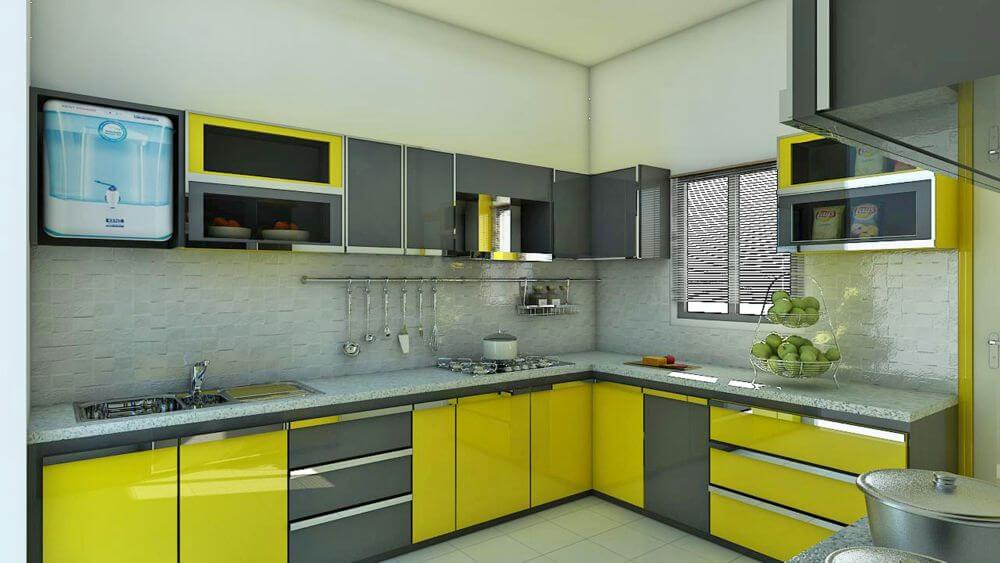
The office kitchen is often the most overlooked yet vital component of any professional environment. While it may be seen as a mere functional area for coffee brewing and quick lunches, it’s a significant space where company culture can thrive. By revamping the office kitchen, businesses can foster a sense of community, promote wellness, and even boost productivity. No longer should this area be an afterthought; it’s time to bring the office kitchen into the spotlight.
Breaking the Mold: The Color Palette
The first step in reimagining the office kitchen is reconsidering the color scheme. Too often, these areas are dismal shades of white or gray, sucking the vibrancy out of the room. Opt for warm tones that encourage relaxation and conversation. Lively hues like soft yellows or muted greens can evoke positivity and creativity. These colors also contribute to a homey feel, enticing employees to spend more time relaxing and engaging with others while on their breaks.
Speckled with mood-enhancing tints, the refreshed kitchen becomes a haven where employees can recharge. If you’re looking for the tactile appeal of the culinary area, then granite and stone countertops from companies like Superior Stone and Cabinet can add elegance and durability, enhancing both aesthetics and function. Such upgrades can naturally invite collaboration and inspiration within the workplace.
Another consideration is using colors that can change with the seasons, bringing a fresh vibe throughout the year. In the spring, add pastel accents, while autumn can welcome warm, earthy tones. Experiment with color combinations to find what resonates uniquely with your team. A dynamic color change keeps the kitchen inviting and exciting, ensuring that employees always have a renewed sense of enthusiasm when entering the space.
Seating Arrangements Matter
Don’t fall into the trap of conventional seating plans. Rows of stiff chairs and uninviting tables don’t foster communication. Invest in varied seating options like lounge chairs, communal tables, and even standing desks for those who like to mingle. Diverse seating not only accommodates different preferences but also stimulates spontaneous conversations. Connections built over a cup of coffee might lead to the next big project.
Consider flexible seating arrangements that allow for easy reconfiguration. Mobile furniture, like chairs on castors or foldable tables, can adapt to different needs, facilitating everything from informal team huddles to celebratory gatherings. Allowing for these variations ensures that the kitchen remains a dynamic space, reflecting the vibrant culture of your workplace.
Food for Thought—Literally
What you stock in your kitchen directly impacts your team. Providing nutritious snacks isn’t just about keeping hunger pangs at bay; it’s about showing employees that their health is valued. Consider a variety of options: fresh fruit, nuts, yogurt, and drinks that offer hydration and energy. Avoid the processed, sugary traps that lead to energy slumps and lethargy. Empower your team with choices that energize rather than deplete.
Think beyond the snacks and explore options for meal-sharing initiatives. Arranging “potluck Fridays” or themed lunch weeks can instill a sense of belonging and add excitement to the weekly routine. When team members contribute their culinary creations, it builds an appreciation for diversity and shared experiences over the meal, transforming the kitchen into a culinary hub of creativity and conversation.
Technology: Useful, Not Domineering
While you’re revamping, consider integrating technology—but do so thoughtfully. Install screen displays for meeting presentations or video calls, but avoid turning the kitchen into another conference room. Perhaps include charging stations for personal devices, but ensure they don’t clutter the space. Technology should be a complement that enhances convenience, not an overbearing presence that takes away from the atmosphere.
Beyond utility, technology can introduce elements of fun and leisure to the kitchen. Incorporate music speakers for background tunes or digital screens displaying company news or motivational messages. Striking a balance between function and entertainment helps keep the atmosphere lively and engaged, enticing workers to unwind and recharge in this environment.
Encouraging Employee Ownership
The kitchen shouldn’t just be seen as a space owned by “the company.” Encourage employees to take charge of cleanliness and orderliness. Designate kitchen leaders who can rotate responsibilities weekly, from cleaning to restocking. Encourage employees to personalize the space with photo boards or a chalkboard wall for doodles and notes. This invites a culture of shared responsibility and pride in communal spaces.
As employees become more invested in the care of the kitchen, you’ll notice an increased respect for the space and each person’s contribution to maintaining it. Offering a suggestion box for improvement ideas fosters a sense of ownership, empowering employees to express their thoughts on how the space can evolve and better serve their needs. This collaboration can lead to creative solutions and a feeling of collective ownership of the communal area.
Final Thoughts: The Indelible Impact
Revamping the office kitchen might seem trivial at first glance. However, it’s a strategy that can transform the social dynamics and cultural fabric of a business. Effective changes in this physical space nurture collaboration, stimulate creativity, and cater to worker well-being. When employees feel relaxed, nourished, and connected, they’re more motivated to contribute to the company’s success. As such, companies must shake off the traditional underestimation of this area and embrace what it can truly represent: a hub of unity, energy, and inspiration
