


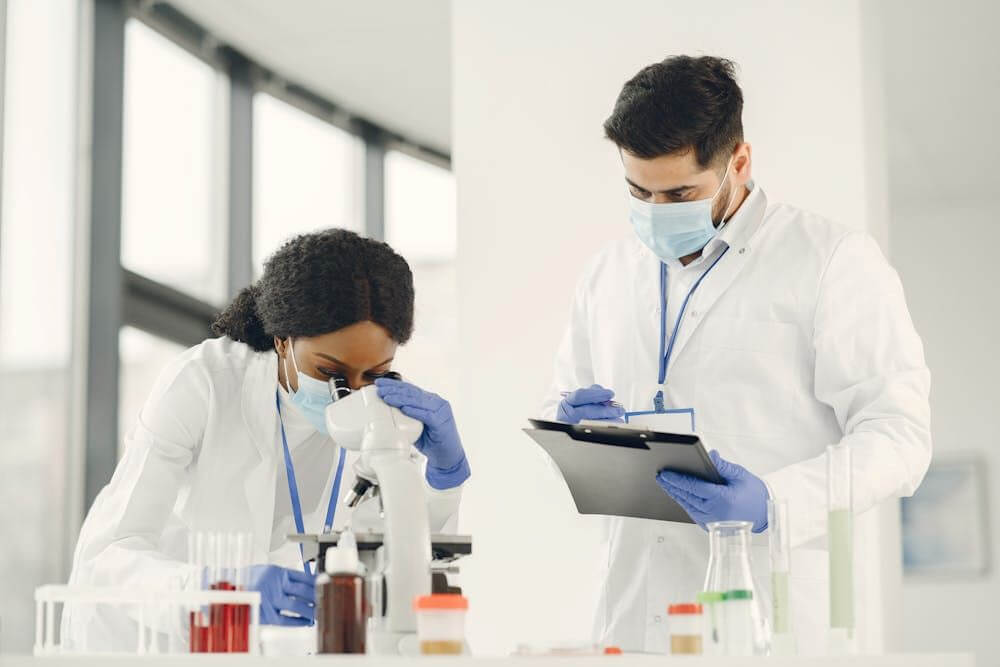
Biotechnology is at a fascinating crossroads. Science is more complex than ever. The demand for new therapies is exploding. But the old ways of working simply cannot keep up. Labs are overwhelmed with samples. Processes are slow and manual. Data piles up faster than anyone can analyze it.
This creates a massive bottleneck. It delays discoveries. It drives up costs. The solution lies in smarter tools. These tools automate the tedious work. They handle complexity with ease. They allow brilliant scientists to focus on what truly matters.
The New Frontier in Cellular Research
Understanding disease starts at the cellular level. But cells are not simple. They exist in complex communities. They interact in three dimensions. Studying them properly requires sophisticated models.
This is where modern technology steps in. Cutting-edge platforms now provide advanced single-cell & 3D cell model solutions. These tools let researchers isolate individual cells with incredible precision. They can grow and analyze spheroids and organoids. This deeper view unlocks insights that flat, two-dimensional cultures could never reveal.
From Chaos to Clarity
Manual cell culture is messy. It is also incredibly inconsistent. One scientist might pick a slightly different colony than another. A spheroid grown today might differ from one grown next week. This variability ruins experiments. It makes data unreliable.
Automated systems bring order to this chaos. They use high-resolution imaging to identify the perfect cells or spheroids. They then isolate and dispense them with robotic precision. Every well gets the exact same starting material. This consistency transforms data quality overnight.
Scaling Without the Headache
Imagine needing to screen a thousand drug candidates. Doing this manually would take months. It would require an army of technicians. Automated platforms change this equation completely. They work tirelessly through the night. They process hundreds of samples in the time it takes a human to do a dozen.
This speed allows researchers to ask bigger questions. They can test more variables. They can explore more avenues. The scale of discovery expands exponentially.
Protecting Delicate Structures
Three-dimensional models are fragile. Spheroids and organoids are easily damaged by rough handling. Traditional pipetting can tear them apart. This destroys the experiment before it even starts.
New dispensing technologies are incredibly gentle. They use precise picoliter volumes. They minimize shear stress. Fragile structures remain intact and healthy. This ensures that the biology you study is real. It is not an artifact of damaged cells.
From One Cell to a Whole Story
Single-cell analysis is revolutionizing biology. It reveals the differences between individual cells. These differences are often critical for understanding disease. Some cells are resistant to treatment. Others drive metastasis.
Finding these rare players requires isolating single cells perfectly. Advanced platforms excel at this task. They can pick a single cell from a complex population. They deposit it into a well for growth or analysis. This opens the door to truly personalized medicine.
Data That You Can Trust
All the automation in the world is useless without good data. Modern platforms generate a digital record of everything. They log every image. They track every transfer. They timestamp every event.
This creates an unbroken chain of evidence. Researchers can trace any result back to its origin. Regulators can verify compliance with confidence. The data is not just abundant. It is also auditable and trustworthy.
A Platform for the Future
The pace of innovation is only accelerating. New cell models are being developed constantly. New assays are invented every year. A lab’s tools must be able to adapt.
The best platforms are flexible by design. They handle different vessel types. They work with various assay formats. They integrate easily with other instruments. This future-proofing is essential. It ensures that today’s investment continues to pay off for years to come.
Conclusion
Scaling a biotech operation is a monumental challenge. But the right tools make it achievable. Automated platforms for single-cell and 3D model workflows remove the bottlenecks. They replace variability with consistency. They swap slow manual work for lightning-fast precision. This frees up the most important resource of all: human creativity.
Scientists can stop pipetting and start thinking. They can focus on the big questions. With these powerful tools in hand, the next generation of therapies will reach patients faster than ever before.
