


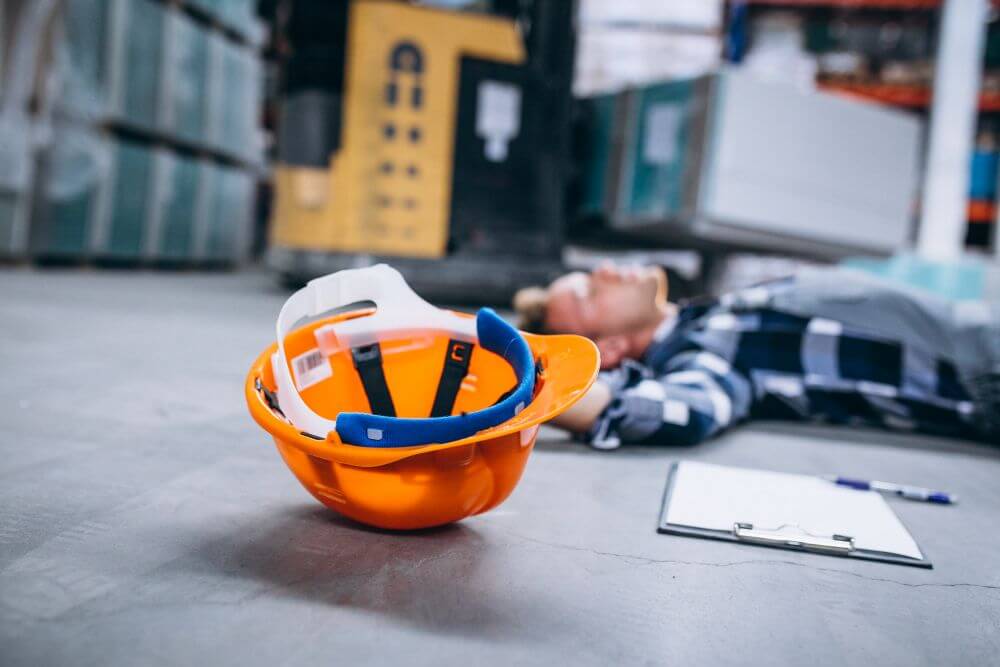
Workplace accidents still affect thousands of people across the UK every year, from minor injuries in offices to serious incidents on construction sites. When you suffer harm at work, the situation often raises a simple but important question: who should take responsibility? Employers do not automatically carry the blame for every accident, yet the law places clear expectations on businesses to protect the people who work for them. If a company ignores those expectations or fails to manage obvious risks, you may have grounds to hold it accountable. Understanding when that responsibility applies helps you recognise whether your employer met their obligations or allowed dangers to remain.
Understanding Employer Liability In The UK
UK law requires employers to take reasonable steps to protect your health and safety while you work. The central framework comes from the Health and Safety at Work Act 1974, which expects businesses to identify hazards, reduce risks and provide a safe working environment. You will usually see employer liability arise when a company fails to act on a risk that it should reasonably control. But if you ignore clear safety instructions and misuse equipment, liability may shift away from the employer.
Courts often examine whether a company took practical steps to prevent harm. When a business provides training, maintains equipment and supervises tasks properly, it shows that it has tried to manage risk. When those measures fall short or never appear in the first place, liability becomes more likely.
Key Legal Duties And Employer Liability
Employers must manage several practical responsibilities that directly affect your safety at work. These duties include carrying out risk assessments, maintaining equipment, providing appropriate training and ensuring that staff receive proper supervision. Many claims arise when a company fails to manage everyday workplace risks. Slips and trips often occur because managers neglect spills, damaged flooring or cluttered walkways.
You can often spot liability when a risk seems obvious, yet no one addresses it. If a kitchen repeatedly experiences oil spills but management never introduces cleaning routines or warning signs, an accident becomes predictable rather than unfortunate. When employers take simple preventative steps, they usually reduce injuries and protect both staff wellbeing and business operations.
Recent Trends And UK Statistics
Recent figures from the Health and Safety Executive show that workplace accidents remain a significant issue across the UK. Tens of thousands of workers each year report injuries serious enough to require time away from work. Construction, manufacturing and agriculture consistently record higher injury rates. However, office-based incidents also contribute to national statistics. Many organisations now recognise that effective health and safety management protects productivity as well as staff welfare. When employers invest in training and risk management, they reduce absences, avoid legal disputes and maintain a more stable workforce.
What To Do After a Workplace Accident
The steps you take after an accident can shape whether you later establish responsibility. Report the incident to your employer immediately so that it appears in the company’s accident log. This record creates a clear timeline and prevents disputes about when or how the injury occurred. Once you understand the situation more clearly, you may decide to look into making a claim if the evidence suggests the employer failed to protect you properly. Legal advice often helps you assess whether the business breached its duty and whether compensation could cover medical costs, lost income and the wider impact the injury has had on your daily life.
