


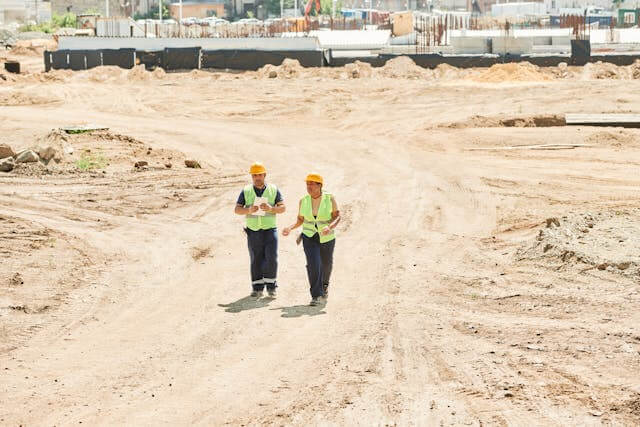
Construction projects in remote areas face many challenges that can stop progress in its tracks. Managers must plan for every small detail to keep the timeline from slipping away.
A site with poor facilities often suffers from low morale and slow work rates. Setting up a strong base of operations keeps the crew focused on the job at hand.
Planning For Remote Site Logistics
Moving a large crew and heavy machinery across long distances is a massive task. Project managers must coordinate deliveries and housing well before the first shovel hits the ground.
Many firms look for turnkey recovery services to manage these complex needs efficiently. As explained by experts from cottonlogistics.com, this approach allows local teams to focus strictly on the build. Support staff handles the details of housing and daily maintenance to keep the camp running.
A smooth setup at the start of a build prevents confusion and lost time later. Choosing the right partners for site support makes a huge difference in the final cost. These decisions set the pace for the entire duration of the contract.
Facing The Skilled Labor Gap
Finding qualified people to work on large builds is harder than it used to be. Many projects are competing for the pool of talented workers in rural regions.
A report from a national infrastructure group noted that peak labor shortages might hit 300,000 people by 2027. This gap forces companies to provide better incentives than just a high wage. Workers look for sites that offer high-quality living spaces and reliable food services.
Teams are more likely to stay on a job if they feel their daily needs are met. Quality site infrastructure serves as a major draw for the best talent in the field. Keeping the same crew for the whole project reduces the cost of training new hires.
Maximizing Daily Crew Productivity
Every minute a worker spends driving to a hotel is a minute not spent on the build. Keeping the housing units right next to the site eliminates these daily travel gaps.
Short commutes mean workers get more rest and stay fresh throughout the long work week. A well-rested crew is less likely to make mistakes that lead to expensive project delays. Safety is often a direct result of having a crew that is not exhausted by travel.
Productivity rises when the site is organized, and all basic needs are nearby.
- Faster shift changes.
- Reduced fuel costs for transport.
- Better coordination between teams.
Reducing Downtime With Onsite Support
Mechanical failures and bad weather can shut down a site without any warning. Having a central hub for repairs and planning allows the team to pivot quickly.
On-site offices provide a space for managers to hold meetings and solve problems in real time. Fast communication is the best way to keep a project moving when things go wrong. A dedicated space for planning helps keep everyone on the same page.
Quick reactions save money by preventing small issues from turning into week-long shutdowns. A responsive site setup protects the bottom line from unpredictable events. Managers can watch the progress and adjust resources as needed.
Providing Safe And Comfortable Housing
Living in a remote camp can be tough on the mental health of a crew. Modern mobile units offer clean air and quiet rooms to help workers recover after a hard shift.
Quality housing helps prevent the spread of illness and reduces the rate of workplace injuries. A healthy team stays on the job longer and finishes tasks with more accuracy. Keeping the team healthy is just as important as keeping the machines running.
High-quality facilities show the crew that their well-being is a priority for the firm.
- Private sleeping quarters.
- Climate control systems.
- High-speed internet access.
Managing Budget Risks Effectively
Unplanned costs for food and housing can quickly drain a project’s budget. Using pre-built mobile units offers a fixed price that is easy to track.
The pricing model helps managers avoid the high costs of local hotel rooms during peak seasons. Controlling these daily expenses is a smart way to protect the overall project funds. A clear budget for site services prevents surprises at the end of the month.
Financial stability allows for better planning across all phases of the development. Predictable costs mean there are fewer worries when the final bills come due. Managers can allocate saved funds to other critical project needs.
Scaling Infrastructure For Growth
The needs of a site change as the build moves from the foundation to the finish. Mobile units can be added or removed to match the current size of the workforce.
Flexibility prevents the site from becoming overcrowded or wasteful with unused space. Managers can scale their support systems up or down as the project demands shift. A site that adjusts to the workload is always running at its best.
Adapting to these changes keeps the site running at peak efficiency for the whole year. A flexible setup is a powerful tool for staying on time and under budget. The project stays lean and avoids the weight of unnecessary overhead costs.
Success on a remote job site depends on the quality of the support systems in place. Mobile infrastructure offers a reliable way to keep workers happy and productive.
Managing these details prevents costly delays and keeps the project moving toward completion. A strong foundation on the site leads to a successful build every single time.
