


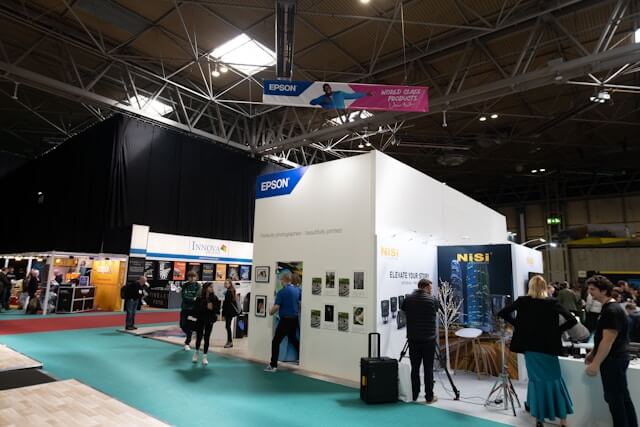
Taking part in foreign exhibitions often involves greater risk for brands. It’s not just about building a convincing exhibition stand; you also have to consider logistics, local rules, how the audience tends to behave, and the on-site installation conditions that may arise. Sometimes these details get mixed up, which can lead to problems, even if the stand itself looks good.
Exhibition stand builders are increasingly approaching international projects as a comprehensive system, where every detail affects the result. Reliable preparation allows you to reduce costs, avoid mistakes, and ensure the reliable event execution of exhibitions stands in any country.
Start With the Market, Not the Booth Design
Before approving the stand design, the brand needs to understand the specifics of the market where the event will be held. The ESBAU team expostandbuilders.com often emphasizes that a successful exhibition stand does not begin with visualization, but with an analysis of the audience and local culture. In different countries, exhibition stands may perform differently due to visitor behavior, communication style, and brand expectations.
For example, local product demonstration practices may require a completely different approach to space planning. Exhibition stand designers consider how visitors interact with the stand, whether they expect an open space or more private meeting areas. In some countries, even the format of the first contact with the client can change the entire exhibition stand design and build approach.
That is why a familiar stand format that works well at home may not be effective abroad. The exhibition builder must adapt the concept to the new market rather than simply copy previous solutions.
Check the Rules Before You Fall in Love With the Concept
One of the most common mistakes brands make is approving a design concept before they actually check the technical limitations. Each country has its own rules regarding the allowed heights of structures, suspension systems, fire safety, and the materials permitted for exhibition stands.
Check labor rules early. Some regions require the use of local contractors for installation, which directly affects project plans and budgets.
International projects also require extensive technical documentation before production begins. Trade show exhibit companies usually prepare these documents to avoid delays or installation denials.
Stress-Test the Budget Beyond the Stand Price
The budget for an international project is not just the cost of producing an exhibition stand. A significant portion of the costs arises outside the basic estimate. This includes logistics, customs clearance, storage, cargo handling, and delivery to the exhibition site.
Companies should also monitor currency fluctuations, as well as the occasional rush fees and local contractor surcharges. Exhibition stand manufacturers usually operate across multiple markets, so those elements can end up shifting the total price quite a bit, even after initial approval.
Before making a deposit, it is important to clearly record all the terms of cooperation. The exhibition company should transparently indicate which costs are included and which may incur additional costs. This helps to avoid unforeseen costs during implementation.
- international shipping and customs clearance;
- local warehousing and logistics costs;
- on-site installation crews;
- currency risks and urgent fees;
- additional costs from local contractors.
Choose a Partner Who Can Control the Distance
A partner who can control the process remotely plays a key role in the success of international projects. Reliable stand builders ensure local execution of work while maintaining a single project management center.
Reliable exhibit builders coordinate teams across time zones and languages. This reduces miscommunication and delays.
It is also critical to have clear backup scenarios. An exhibition builder must anticipate potential problems: delivery delays, damage to elements, or the need for quick on-site changes.
As a result, the right exhibition stand design and build strategy allows brands to confidently enter international markets, minimizing risk and ensuring consistent event performance across international markets.
