


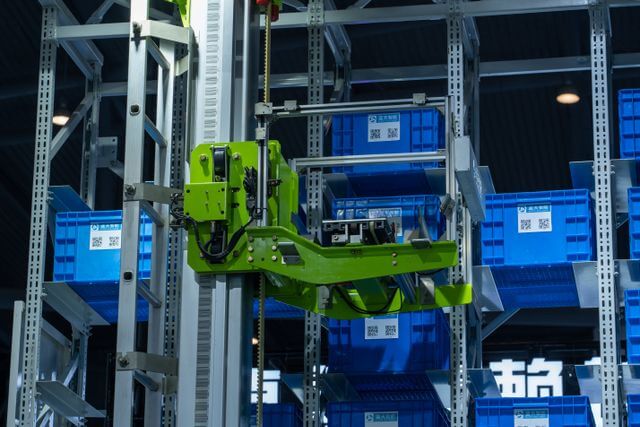
Automation in warehouse operations refers to the use of technology to perform tasks with minimal human input. This includes everything from inventory tracking to order fulfilment. Over the past decade, automation has evolved rapidly as businesses aim to meet growing customer demands and faster delivery expectations. The rise of e-commerce, labor shortages, and the need for accuracy have all driven adoption.
One of the main advantages of automation is improved efficiency and speed. Automated systems can process orders much faster than manual workflows. Tasks such as picking, sorting, and packing are completed in less time. This reduces delays and helps businesses meet tight shipping deadlines. Automation also reduces reliance on manual labor, which can be costly and inconsistent.
Accuracy is another major benefit. Human errors in warehouses can lead to incorrect shipments, lost inventory, and unhappy customers. Automated systems use data and tracking tools to ensure each step is correct. Technologies like barcode scanning and RFID tagging allow real-time tracking of products. This improves inventory visibility and ensures orders are fulfilled correctly.
Cost reduction is also a key factor. While automation requires an upfront investment, it can significantly lower long-term costs. Businesses save money through reduced labor expenses, fewer errors, and better use of resources. Process automation also helps reduce waste and improve operational efficiency.
Scalability is essential for growing businesses. Automated systems can easily handle increased workloads during peak seasons. Whether it is a holiday rush or business expansion, automation allows warehouses to scale operations without major disruptions. This flexibility is crucial in today’s fast-moving logistics environment.
Several technologies are driving warehouse automation. Robotics plays a central role. Robots can handle repetitive tasks such as picking items, packing boxes, and moving goods. This improves speed and reduces physical strain on workers. Warehouse Management Systems, or WMS, act as the brain of the operation. They coordinate inventory, track orders, and optimize workflows.
Automated Guided Vehicles, or AGVs, are also widely used. These vehicles move goods around the warehouse without human intervention. They follow set paths and help streamline internal logistics. RFID and barcode technologies further enhance accuracy by providing real-time data on product location and movement.
Sensors are another important component of automation systems. They detect motion, position, and environmental changes. This ensures machines operate safely and efficiently.
In many automated systems, precise timing is critical. Components such as control panels often rely on solutions like advanced industrial systems using time delay relays for sequencing operations. These ensure processes run in the correct order and help prevent system errors.
Automation is transforming warehouse operations across the US. It improves speed, accuracy, and cost efficiency while supporting business growth. As technology continues to advance, warehouses that embrace automation will be better positioned to stay competitive.
