


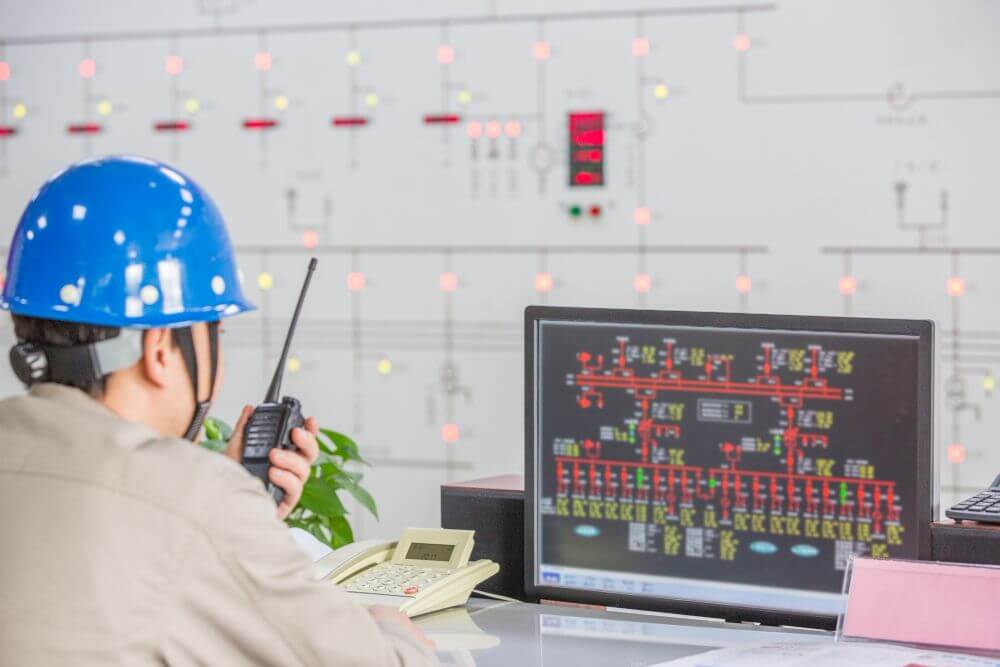
Business leaders often focus on budgets, staffing, and timelines when planning a new facility, expansion, or major upgrade. Yet power infrastructure can have an equally significant impact on project success. For companies that need transformers, switchgear, and related electrical equipment on a tight schedule, High to Low Voltage can serve as a relevant resource during early planning. When procurement plans fall behind, the effects can reach far beyond the electrical room.
Why Power Equipment Delays Matter
Many commercial and industrial projects rely on equipment such as transformers, switchgear, and related distribution components. These assets support the safe delivery and management of electricity throughout a facility. Without them, businesses cannot always move forward with construction, expansion, or modernization efforts.
When key equipment is unavailable, project teams often face difficult decisions. Construction schedules may slow down. Facility openings may move to a later date. Expansion plans may remain on hold while teams wait for critical components to arrive. What begins as a procurement issue can quickly become a broader operational concern.
The impact often extends beyond the electrical system itself. Contractors may need to revise schedules. Project managers may need to coordinate changes across multiple teams. Leadership may need to adjust expectations around launch dates, production goals, or growth initiatives. Even a relatively small delay can create a ripple effect throughout a project.
The Connection Between Procurement and Business Continuity
Power infrastructure supports daily operations across a wide range of industries. Manufacturing facilities depend on electrical distribution systems to keep production lines running. Data centers require dependable power to support servers and networking equipment. Warehouses, energy projects, healthcare facilities, and commercial developments all rely on stable electrical infrastructure.
When procurement planning starts late, organizations may find themselves competing for limited inventory or facing longer lead times. This can create uncertainty during important stages of a project and make it more difficult to maintain schedules.
Business continuity depends on preparation. Organizations that identify infrastructure needs early have more flexibility when challenges arise. They can compare equipment options, review specifications, and secure necessary components before timelines become compressed.
Early planning also supports smoother coordination between procurement teams, engineers, contractors, and facility managers. When everyone has visibility into equipment requirements, projects are often easier to manage from start to finish.
How Supply Chain Challenges Affect Infrastructure Projects
Supply chain challenges have influenced many industries in recent years, and electrical equipment markets have not been immune. Demand for power infrastructure continues to grow across sectors such as data centers, renewable energy, manufacturing, and logistics. At the same time, manufacturers must manage production capacity, material sourcing, transportation networks, and changing market conditions.
These factors can affect equipment availability and delivery schedules. In some cases, businesses may discover that a specific piece of equipment has a longer lead time than expected. In other situations, project requirements may limit the range of acceptable alternatives.
For project owners, this means procurement requires greater attention than it may have in the past. Waiting until the final stages of a project to source equipment can create unnecessary pressure. Teams may have fewer options available and less time to evaluate them.
Organizations that understand these realities can build more resilient project plans. By treating procurement as a strategic process rather than a routine purchasing task, they place themselves in a stronger position to navigate changing market conditions.
Where Delays Create Business Pressure
Several business functions can feel the impact when power equipment is not available on schedule.
Construction and expansion projects often follow carefully coordinated timelines. Electrical infrastructure work supports many other project activities. If critical equipment arrives late, additional work may need to be postponed. This can affect contractors, vendors, and internal teams alike.
Financial planning may also become more complicated. Extended project timelines can increase labor costs, administrative expenses, and project management requirements. Businesses may need to allocate additional resources to keep projects moving forward.
Operational readiness can suffer as well. Organizations preparing to open a facility, expand production capacity, or launch new services often build plans around specific milestones. Equipment delays can make those milestones more difficult to achieve.
Customer commitments may also come into play. Businesses often establish schedules based on expected project completion dates. Delays can create challenges when organizations are working to meet production targets, service commitments, or growth objectives.
Why Early Planning Helps
Early planning remains one of the most effective ways to reduce procurement risk. When organizations begin evaluating equipment requirements well before installation dates, they gain more flexibility and more options.
Project teams can identify long lead items early in the planning process. This allows them to make informed decisions about procurement timelines and supplier selection. It also creates opportunities to address potential challenges before they become urgent issues.
Reliable supplier relationships can provide additional value. Experienced suppliers often have insight into inventory availability, lead times, and alternative solutions. These conversations can help businesses make more informed decisions while supporting project schedules.
Clear project specifications are equally important. Procurement teams can work more efficiently when equipment requirements are well defined. Accurate specifications help reduce the risk of delays caused by revisions, redesigns, or last-minute changes.
In some situations, organizations may benefit from exploring available inventory options rather than relying entirely on future production schedules. This approach can help support projects where speed and flexibility are important considerations.
The Value of Infrastructure Readiness
Infrastructure readiness is often overlooked during the early stages of business planning. Organizations naturally focus on growth opportunities, operational goals, and customer needs. However, these priorities depend on having the right systems in place to support them.
Electrical infrastructure serves as the foundation for many business operations. When equipment is available and projects remain on schedule, organizations can focus on broader objectives. When procurement challenges arise, leadership teams may need to divert attention toward resolving delays and managing disruptions.
Businesses that prioritize infrastructure readiness often benefit from greater predictability. They can align procurement activities with project goals, improve coordination among stakeholders, and reduce the likelihood of unexpected setbacks.
This approach does not eliminate every challenge, but it does help organizations respond more effectively when conditions change.
Procurement as a Strategic Business Function
Power equipment procurement influences more than purchasing outcomes. It affects project execution, operational readiness, financial planning, and long-term growth objectives.
Organizations that treat procurement as a strategic activity often place themselves in a stronger position to manage uncertainty. By aligning infrastructure planning with business goals, teams can reduce disruptions and maintain momentum during important projects.
As facilities expand and energy demands evolve, access to dependable electrical infrastructure will remain an important consideration for many businesses. Careful planning, informed decision-making, and early procurement efforts can help organizations stay focused on growth while reducing the operational risks associated with equipment delays.
