


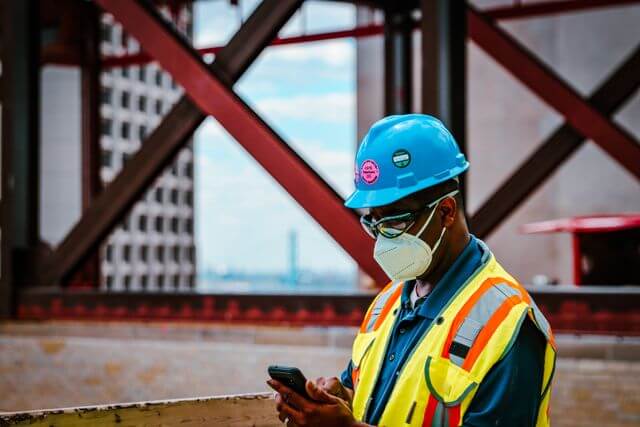
Construction will always involve an element of risk. Heavy machinery, working at height, moving vehicles, temporary structures, and constantly changing site conditions all create potential hazards. But while risk can never be removed completely, business leaders have enormous influence over how safely construction operations are planned and carried out.
Putting safety at the heart of a construction business means treating it as part of everyday decision-making, rather than something that only comes up during inspections or after an incident. When leaders make safety a genuine priority, it can shape everything from the equipment used on site to the way teams communicate.
Lead From the Top
A strong safety culture starts with leadership. If senior managers regularly talk about deadlines, budgets, and productivity but rarely mention safety, employees may quickly get the message that getting the job done matters more than how it gets done.
Business leaders should make their expectations clear and demonstrate them through their own actions. That could mean visiting sites, asking teams about potential hazards, and ensuring supervisors have the time and resources needed to address concerns properly.
Employees are also more likely to speak up about unsafe conditions when they feel their concerns will be taken seriously rather than dismissed as inconvenient.
Invest in the Right Infrastructure
Safe working environments depend heavily on the physical systems installed around a site. Guardrails, barriers, platforms, and access routes all play an important role in preventing avoidable accidents.
Choosing practical, durable solutions can make it easier to create safer environments without adding unnecessary complexity. Modular components such as Kee Systems kee klamps can be used when creating tubular structures and safety systems suited to different site requirements.
The important thing is to consider safety infrastructure during the planning stages rather than treating it as an afterthought once construction is already underway.
Make Training an Ongoing Priority
A one-off induction is rarely enough for a busy construction environment. Sites evolve, responsibilities change, and new equipment is introduced, which means workers need regular opportunities to refresh their knowledge.
Short toolbox talks, practical demonstrations, and updated training sessions can help keep important safety procedures fresh in people’s minds. Leaders should also ensure that employees understand why certain processes are in place, rather than simply expecting rules to be followed without explanation.
Encourage Open Communication
People working directly on construction sites are often the first to notice emerging risks. Creating straightforward ways for them to report problems can help businesses act before minor issues become serious incidents.
Leaders should encourage an environment where reporting a hazard is viewed positively. Near misses can also provide valuable lessons, giving businesses the opportunity to improve procedures without waiting for someone to be injured.
Build Safety into Every Decision
Ultimately, putting safety at the center of construction operations requires consistency. It should influence procurement, project planning, training, site design, and everyday management.
Deadlines and commercial pressures will always matter, but they should not push safe working practices into second place. By leading from the top, investing in reliable systems, and listening to the people working on site, business leaders can create construction operations where safety becomes part of how the company works, not simply another box to tick.
