


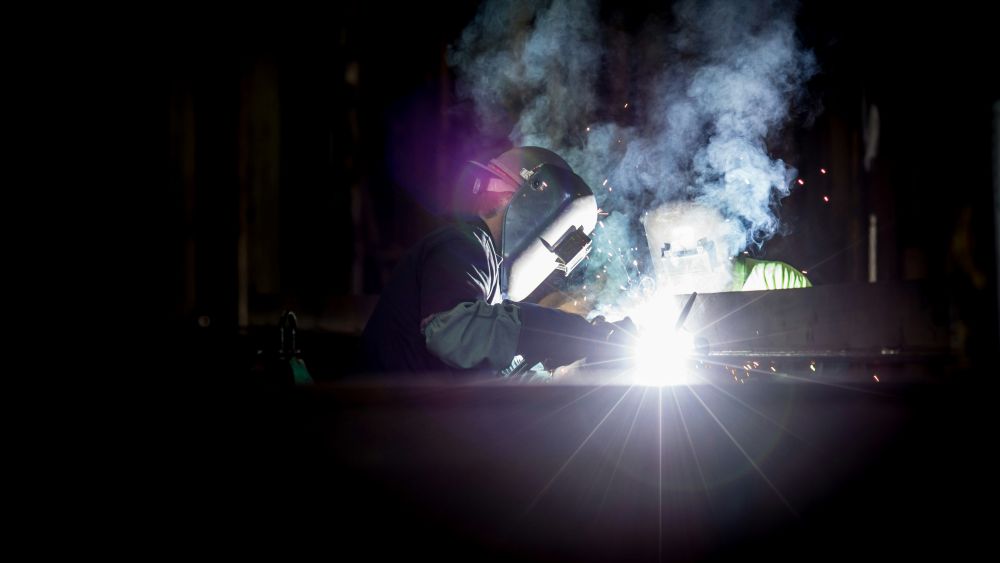
Welding has been used widely for centuries, but just because it’s old doesn’t mean it’s outdated. Lately, the welding world has been on fire with new tech shaking up the field.
The Rise of Automation in Welding
Robots are moving from factory floors to welding stations. Automation is simplifying tedious tasks, making them quicker and more precise. We’re seeing machines take over mundane welding processes, allowing human welders to focus on complex tasks that still need a human touch. Automation not only relieves welders of repetitive tasks but also ensures consistent output, minimizing the likelihood of errors and improving the overall quality of welded products. This harmonious collaboration between human skills and automation is setting a new standard in the industry.
Moreover, the implementation of sensors and smart technologies within automation systems allows for remote operation and monitoring. This means that a welding technician can oversee numerous welding stations from a central location, minimizing the need for physical presence and enhancing operational efficiency. It also opens up new training opportunities for workers to enhance their skill sets without disrupting production activities.
For instance, with advancements like the automatic pipe welder, industries are witnessing a significant leap in welding operations. These systems integrate seamlessly into existing workflows, offering both enhanced precision and speed, essential for efficient large-scale manufacturing processes.
AI – The Smart Welder’s Ally
AI isn’t just playing chess anymore. It’s stepping into welding, predicting defects before they become problems. AI-powered weld monitors can analyze real-time data, tweaking parameters on the fly to ensure every weld is a good one. The merging of AI with welding techniques provides an unprecedented level of control over welding variables. By leveraging vast amounts of data, these intelligent systems continuously learn and adapt, allowing manufacturers to produce intricate designs with fewer hiccups and optimized performance. Welders can now rely on AI as their invisible guide, refining skills while minimizing waste.
AI not only anticipates potential issues in the welding process but also identifies cost-saving opportunities. By optimizing material use and energy consumption, AI technology aids in sustainable practices by minimizing resource waste. Additionally, the implementation of predictive maintenance tools ensures machinery remains in peak condition, thereby reducing downtime and costly repairs.
Laser Accuracy – Quite Literally
Lasers aren’t just for sci-fi. Precision is king in welding, and lasers are ruling the throne. With pinpoint accuracy, laser welding is burning through old techniques, providing joints that are lighter, stronger, and far more resilient. While traditional welding was heavily reliant on manual gauging and precision, laser technology brings a new level of detail to fabrication, eliminating the human error found in other methods. Integrating lasers into welding techniques is also opening new possibilities for working with thinner materials, expanding applications to more delicate projects.
Besides their remarkable precision, laser systems also come with the advantage of speed, significantly reducing the time needed for each project. As welders invest in this technology, they gain a competitive edge by completing high-quality work at a faster rate. Companies can offer faster turnarounds for their clients while maintaining the superior strength and aesthetics that only laser welding can ensure.
Going Green with Welding
The planet isn’t going to save itself, so welding is cleaning up its act. The industry is moving towards cleaner, energy-efficient methods, reducing gas emissions and optimizing lower-energy consumption. It’s not only an eco-choice, it’s smart business as well. Welding innovations include adopting processes that cut down on emissions through advances such as electron beam welding or friction stir welding. Additionally, the use of eco-friendly gases is becoming more widespread, ensuring the air in and around welding sites is less polluted. These advancements identify welding as a champion of sustainability, contributing responsibly to a greener future.
Beyond environmental factors, investing in green technology in welding strengthens brands’ positions in an increasingly eco-conscious marketplace. Sustainable practices can lead to positive public perception and increased customer loyalty. In effect, this emphasis on ecological responsibility enhances both competitiveness and profitability for companies that actively engage in greener methods.
Virtual Welding is Not Just for Gamers
Training without wasting materials is now a reality. Virtual welding tech offers trainees a chance to practice without using resources. It sharpens skills affordably and safely, shaping future welders before setting them loose on actual projects. The virtual space offers boundless opportunities for those learning the trade, featuring simulated environments where errors can become learning tools without physical repercussions. Additionally, this technology accommodates varying levels of expertise, allowing welders to refine their skills progressively with adjustable simulations and guidance.
Furthermore, virtual welding stations are equipped with performance analytics, offering detailed feedback to trainees. This feedback provides insights into areas that require improvement and highlights strengths, enabling personalized training programs tailored to individual needs. With comprehensive assessments, trainees can achieve proficiency before stepping into a physical welding environment, boosting confidence and competency.
Wearables Heating Up the Game
Wearable tech isn’t just fashion-forward. Smart helmets and gear are keeping welders safer and more productive. Integrated safety systems and real-time data heads-ups are enhancing on-the-job accuracy and safety, keeping welders at the top of their game. With innovations like heat sensors, eye protection adjustments, and communication devices, wearable tech transforms safety into seamless productivity. Real-time alerts and biometric data collection ensure that safety concerns are addressed immediately, creating a workplace where technology and safety walk hand-in-hand toward achieving a common goal.
The role of wearables extends beyond safety; they also support workflow management. With connectivity features, these devices allow welders to access project details, instruction manuals, and communication channels without leaving their workstations. Streamlined communication and information sharing through wearable devices reduce interruptions and keep welders focused on their tasks, amplifying productivity and job satisfaction.
Welding has embraced the future with open arms. The integration of tech is overhauling it from a gritty craft into a cutting-edge profession. Forget the age-old stereotypes; welding is now amongst the most high-tech trades around.
