


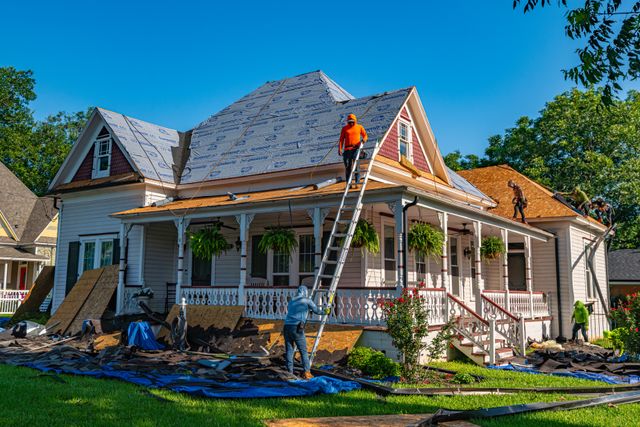
Replacing a commercial roof does not always mean closing the doors for several days. With the right schedule, work can often continue while the roofing crew handles the project in controlled sections.
The biggest mistake is treating the roofing schedule as a contractor-only decision. A roof replacement affects customers, employees, inventory, parking, equipment, and daily operations. Planning those details early can prevent expensive interruptions later.
If you are discussing roof installation with a commercial roofing contractor, talk about the business schedule at the same time. The roofing price is only part of the cost. Lost sales, disrupted operations, and damaged inventory can become much more expensive.
Start With the Business Cost of Disruption
Before comparing roofing estimates, determine what a normal working day is worth to your business.
For a retail store, look at sales from comparable days and calculate the approximate revenue generated during each operating hour. This gives you a practical idea of what a closure or major disruption could cost.
Warehouses and distribution centers need a different calculation. Consider daily shipments, delivery schedules, employee productivity, and possible costs associated with delayed orders. A short roofing delay can sometimes affect several parts of the supply chain.
For offices, calculate the cost of employees who cannot work normally while construction is underway. If employees can work remotely, the impact may be much smaller than it would be for a business that depends on an occupied office.
Restaurants should look at revenue by shift. Losing a Tuesday lunch period may have a completely different financial effect than losing a busy Saturday evening.
Once you know these numbers, you can have a more useful conversation with the contractor about working hours, phasing, and possible after-hours work.
Divide the Roof Into Manageable Sections
A commercial roof usually does not need to be opened across the entire building at once. Dividing the project into smaller sections can reduce exposure and make it easier to keep the business operating.
Limit the Area Exposed During Tear-Off
The most vulnerable stage is the period between removing the existing roofing material and installing the new system.
Instead of allowing a crew to remove large areas without a clear limit, establish a maximum daily tear-off area. The appropriate size depends on the roofing system, crew size, building layout, and expected weather.
The important point is to make sure the crew can properly protect and dry-in each section before moving farther across the roof.
Match Roof Sections With Interior Areas
Create a simple roof map showing what is located underneath each section.
Mark areas such as:
- Sales floors
- Offices
- Kitchens
- Server rooms
- Storage areas
- Equipment rooms
- Loading areas
- High-value inventory
Sensitive areas should receive extra attention. A section above a server room may need to be scheduled when equipment can safely be shut down. A kitchen may be easier to protect when the business is closed.
Less sensitive storage areas may be suitable for earlier phases of the project.
Make End-of-Day Dry-In Mandatory
Every active section should be properly protected before the crew leaves for the day.
Temporary membranes, flashing, seams, and edges need to be secured according to the roofing system and manufacturer’s requirements. Do not rely on a simple statement that the roof is “covered.”
Include the expected dry-in procedure in the contract. It should also be clear who is responsible if water enters the building because an opened section was not properly protected.
Consider Night and Weekend Roofing
Working outside normal business hours can reduce customer and employee disruption, but it usually comes with additional labor and logistical costs.
The extra expense may make sense when daytime construction would interfere with high-value operations. A busy retail store, for example, may benefit from having noisy work completed before customers arrive.
However, off-hours work is not automatically the right choice for every business.
Check local construction and noise restrictions before scheduling nighttime work. Lighting may also be required, particularly when crews are working before sunrise or after sunset.
You should also check whether your insurance requirements or site rules place additional conditions on after-hours construction.
Compare the premium with your actual business impact. If daytime roofing would have little effect on operations, paying a large premium simply to move the work to nighttime may not be worthwhile.
Plan Around Weather and Seasonal Conditions
Weather should be part of the roofing schedule from the beginning rather than something discussed after the contract is signed.
Different roofing materials have different installation requirements. Adhesives, membranes, coatings, modified bitumen, and other systems may have specific temperature or weather limitations.
Ask the contractor which conditions are required for your selected roofing system and whether the proposed schedule provides enough flexibility for delays.
It is also useful to define what happens after a weather delay.
For example, the contract can address:
- Who determines whether conditions are unsafe
- How weather delays affect the completion date
- How quickly work resumes after suitable weather returns
- Whether the same crew remains assigned to the project
- How temporary protection is maintained during delays
A realistic schedule should include some flexibility rather than assuming every construction day will go exactly as planned.
Protect Everything Below the Work Area
Roof tear-off creates vibration, dust, debris, and falling material. The effects can reach the interior even when the roof itself is properly managed.
Ceiling tiles may move or collect dust. Light fixtures can be affected by vibration. Items stored on high shelving can become contaminated with debris.
Food-related businesses need particular care because dust and construction debris can create sanitation problems.
Before work starts, identify everything directly below the active roof section. Move valuable inventory where possible, cover equipment, and protect sensitive electronics.
Server and electrical rooms should receive special attention. Coordinate shutdowns and protection measures with the people responsible for those systems.
Coordinate Rooftop HVAC Equipment
Rooftop heating and cooling equipment can complicate a roof replacement.
Some units may need temporary protection, while others may require work around their curbs or flashing. In certain situations, equipment may need to be lifted or temporarily disconnected.
Coordinate these tasks with the mechanical contractor as well as the roofing contractor. Also determine when heating or cooling will be unavailable and communicate those dates to employees and tenants.
Plan Equipment, Materials, and Parking
The roof is not the only area affected by construction.
A commercial roofing project may require dumpsters, material deliveries, lifts, conveyors, staging areas, or cranes. These can take up parking spaces or interfere with normal traffic around the property.
Before work begins, determine:
- Where materials will be delivered
- Where the dumpster will sit
- How many parking spaces will be unavailable
- Where workers will park
- Whether a crane is necessary
- Whether street access or permits are required
- How customer traffic will be maintained
A small change in site logistics can have a noticeable effect on a retail or customer-facing business.
Keep Customers Away From Active Work
Pedestrian protection should be planned before the crew arrives.
If roofing work takes place above an entrance or walkway, customers should not be allowed to pass through an unsafe area. Covered walkways, barricades, warning signs, and other protection may be necessary depending on the site.
Do not wait until the morning of the project to decide how customers will enter the building.
Communicate With Tenants, Employees, and Customers
A roofing project becomes easier to manage when everyone knows what to expect.
Review your commercial lease before scheduling the work. Some leases contain notification requirements for construction that affects tenants or shared areas.
Give tenants and employees a simple schedule that explains expected work dates, noisy periods, parking changes, and temporary access restrictions.
If the schedule changes, communicate the change rather than allowing people to discover it themselves.
Customer communication matters too. If the business remains open, make that obvious from outside the building.
Simple signs can explain that construction is underway while confirming that the business remains open. This can prevent customers from assuming that the building is closed.
Inside the company, designate one person to communicate with the roofing foreman. Having a single point of contact reduces conflicting instructions and keeps daily decisions organized.
Put the Important Details in the Contract
The scope of work describes what the contractor is installing, but several scheduling details can determine how disruptive the project becomes.
Consider addressing these points before signing:
- Maximum roof area that can be opened at one time
- Daily dry-in requirements
- Approved working hours
- Weather-delay procedures
- Interior protection requirements
- Cleanup expectations
- Responsibility for water damage
- Deck replacement pricing
- Change-order procedures
- Insurance documentation
- Lien waivers
- Material and equipment staging
- Final completion requirements
Deck replacement deserves particular attention. If damaged decking is discovered during tear-off, the contract should explain how that work will be measured and priced.
Change orders should also be documented before additional work begins whenever practical. This helps both sides understand the cost before the work moves forward.
Cleanup should be specific as well. Daily debris removal and proper collection of loose roofing fasteners can help protect employees, customers, vehicles, and equipment.
Build the Schedule Around the Business
A commercial roof replacement does not have to stop normal operations, but it does require coordination.
Start by identifying the parts of the building that are most sensitive to disruption. Then divide the roof into manageable sections, match each section with the activity below it, and establish clear protection and dry-in procedures.
From there, plan equipment staging, parking, customer access, employee communication, weather delays, and working hours.
The goal is not simply to finish the roof quickly. It is to complete the work while keeping the business functioning as normally as possible.
When those decisions are made before the crew arrives, the project becomes easier to manage for everyone involved.
