


Sending cryptocurrency can look deceptively simple. You copy an address, choose an amount, select a network, and confirm the transaction. A few moments later, the crypto should appear in the receiving wallet or exchange account.
The problem is that several blockchain networks can support the same or similar assets, and some even use addresses that look almost identical. Choosing the wrong network can therefore produce a transaction that appears completely valid while sending the assets somewhere the intended recipient cannot access. Unlike many traditional payment mistakes, there may be no simple way to reverse what happened.
The Address Can Look Correct While the Network Is Wrong
One of the most confusing parts of transferring crypto is that checking the wallet address is not always enough. Several blockchain networks can use similar address formats, so a destination may appear perfectly normal even when the sender has selected a network the receiving platform does not support. This is one reason crypto transfers require attention to both the asset and the infrastructure carrying it.
That broader approach to financial decisions is useful outside crypto as well. Investment platforms such as https://www.vectorvest.com/ give investors another way to examine markets and investment choices rather than relying on a single visible characteristic. With a crypto transfer, the equivalent lesson is especially practical: the coin, address, and network need to be considered together. A familiar token name and apparently correct address do not guarantee that the transfer has been configured correctly.
Different Networks Do Not Automatically Communicate With Each Other
It helps to think of blockchains as separate transportation systems. Two cities might have stations with similar names, but putting something on one railway does not automatically make it appear on another. Crypto networks work independently in much the same way.
A token such as a stablecoin may exist on several networks. The versions may represent the same underlying asset, but they are being transferred through different blockchain systems. If a receiving exchange tells you to deposit using one network and you choose another, its automated system may never recognize the deposit.
This can be particularly confusing because the transaction itself may show as successful. From the blockchain’s perspective, nothing necessarily went wrong. The network processed exactly the transaction that was submitted. The problem is that the recipient was expecting the assets somewhere else.
That distinction explains why waiting longer does not always solve a missing deposit. Network congestion can certainly delay transactions, but a confirmed transaction on the wrong network is a different problem. The assets may already have reached an address, just not in a form the receiving service is prepared to credit.
Recovery Depends Heavily on Who Controls the Receiving Address
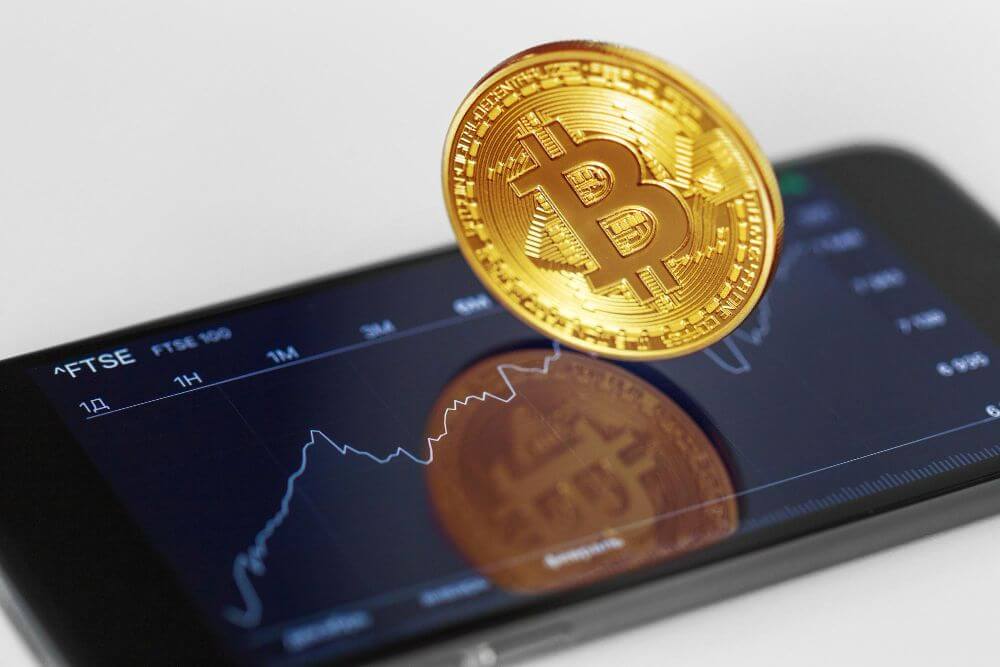
Photo by Jievani Weerasinghe on Unsplash
Sending assets on the wrong network does not automatically mean they are permanently lost. In some situations, recovery can be relatively straightforward. In others, it may be technically difficult or impossible.
The critical question is often who controls the private keys associated with the receiving address. If you send assets to your own self-custody wallet across compatible networks, you may still control the destination. The wallet interface might simply be displaying a different network, making the assets appear absent until the appropriate network and token are added.
Sending to an exchange can create a more complicated situation. The exchange controls the receiving infrastructure, so you cannot simply access its private keys and retrieve the assets yourself. If the platform does not support deposits of that token through the network you selected, you may need its technical team to investigate.
Some platforms can recover certain unsupported deposits, while others cannot. Recovery may also involve fees or take considerable time because what seems like a simple transfer to the customer may require manual work behind the scenes.
This is why assumptions are dangerous. Seeing the assets at an address on a block explorer does not necessarily mean you personally have the ability to move them.
Blockchain Transactions Usually Do Not Have an Undo Button
Traditional financial systems have conditioned people to expect some possibility of correcting mistakes. A card transaction can sometimes be disputed, and certain bank transfers may fail or be investigated. Blockchain transfers operate differently.
Once a normal transaction has been confirmed, you generally cannot call the blockchain and request that it be reversed. The system processed an authorized transaction according to the information provided.
That makes small errors potentially expensive. Choosing an unsupported network, pasting the wrong destination address, or misunderstanding a deposit instruction can expose the entire transferred amount rather than producing a small penalty.
It also creates an environment in which recovery scams can appear. Someone who has just misplaced a substantial amount of crypto may be desperate enough to trust a stranger claiming they can reverse the blockchain transaction. Never provide a seed phrase or private key to someone offering recovery assistance. Whoever receives those credentials may gain control over assets in the wallet.
If an exchange or other custodial platform is involved, use its official support process. A stranger contacting you privately does not gain special technical powers simply by calling themselves a recovery expert.
A Small Test Transfer Can Prevent a Very Large Problem
The easiest wrong-network transfer to fix is the one that never happens. Before sending a significant amount, check the receiving platform’s instructions rather than choosing a network solely because it has the lowest fee.
Confirm the asset, destination address, and supported network together. If a memo, tag, or other identifier is required, verify that too. Network names can look similar, so reading the full selection is safer than choosing an option because its abbreviation seems familiar.
For larger transfers, sending a small test amount first can be particularly useful. Wait until that amount appears correctly at the destination before transferring the remainder. You will pay an additional transaction fee, but that cost may be insignificant compared with discovering that an entire large transfer went through an unsupported network.
Saved addresses should still be checked rather than trusted automatically. Platforms can change deposit instructions, supported networks, or account details over time, and copying an old procedure from memory creates unnecessary risk.
Crypto gives users significant control over how assets are transferred, but that control comes with responsibility. The blockchain generally cannot determine that you intended to choose another network after you have already confirmed the transaction.
A few extra seconds spent checking the network can therefore be worth considerably more than the transaction fee you were trying to save.
