


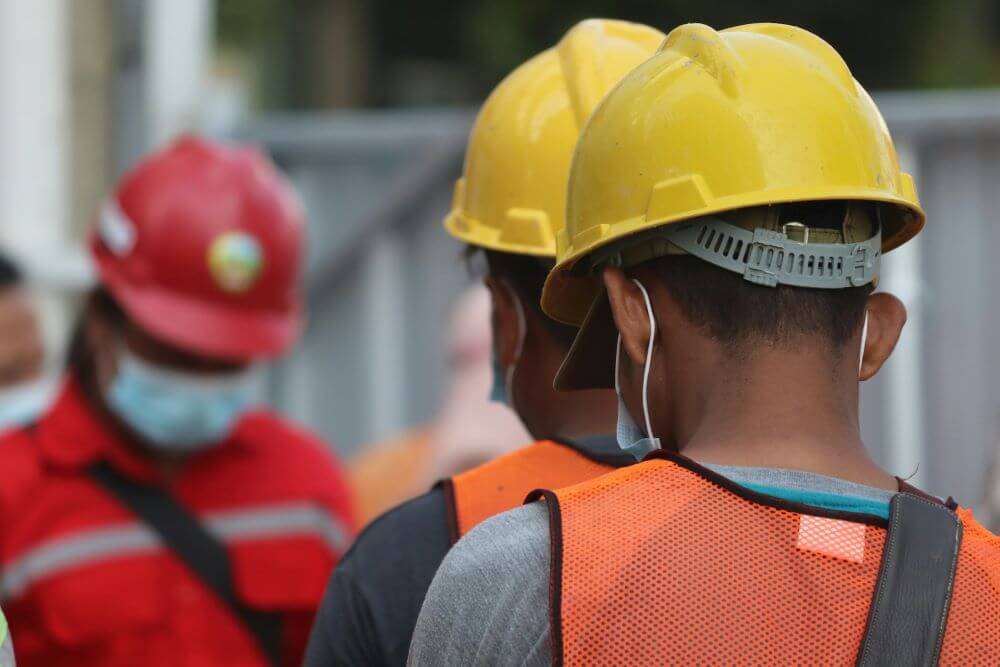
Workplace safety sits right at the core of engineering projects. It shapes not just the well-being of employees, but also keeps operations running smoothly without unnecessary disruptions.
In an industry where accuracy matters and processes need to be solid, a strong focus on safety leads to better outcomes for everyone involved. Engineers have a huge impact here; their approach to creating and maintaining safe work environments spans all areas, whether that’s construction, manufacturing, or anything in between.
By weaving thorough safety measures into every stage, from design and planning through to execution, engineers help build a work culture where looking out for each other is just part of the job. You’ll spot their influence in things like safety strategies, regular checks for hazards, and well-structured training that prepares staff for whatever might crop up.
Ultimately, balancing safety and productivity in the workplace is essential, as these efforts aren’t just about ticking compliance boxes—protecting people goes hand-in-hand with keeping projects on track and workplaces productive, across a whole range of industries.
Developing Comprehensive Safety Plans
A solid safety plan does more than help you tick boxes for compliance; it sets the tone for a culture where safety becomes second nature for everyone. When leaders put safety front and centre, it encourages employees to take it seriously, not just because they have to, but because they want to. This collective mindset means everyone is on board, from managers right through to new starters.
Clear safety plans outline exactly what’s expected, so there’s no room for misunderstandings. Everyone knows their part in keeping the workplace safe, which cuts down on confusion and makes accidents much less likely to happen.
Good safety plans also help spot risks early and evaluate which hazards might cause the biggest problems. This is extra important in risk-heavy jobs, like construction, manufacturing, or transport. By taking a close look at how things are done, engineers can pick up on potential dangers and put fixes in place before something goes wrong. That might mean fitting barriers around fast-moving machines or bringing in a new way of doing a job to reduce risks.
Putting these steps in place not only keeps people safe but can also make the whole business run a lot more smoothly.
Role of Safety Engineers in Workplace Safety
Safety engineers are vital when it comes to keeping workplaces safe. They spend their days checking work conditions, spotting hazards, and working out how to cut down on injuries. This might mean recommending tweaks to equipment or finding new ways to set up a workspace so that it’s safer for everyone around.
The numbers say it all: in 2017, there were 4.5 million workplace injuries in the U.S. that needed medical attention. With figures like that, it’s easy to see why skilled safety engineers are always in demand.
In places like construction sites and factories, where serious accidents are more common, safety engineers play a starring role. They look at daily routines, test out machinery, and might suggest ergonomic furniture or practical changes to the way teams work—all to help people avoid getting hurt at work.
But it doesn’t stop at construction or manufacturing. You’ll also find safety engineers in hospitals, schools, and even insurance companies. In 2016, a quarter of all health and safety engineers worked in manufacturing, while nearly one in five were in construction. Their expertise helps a huge range of businesses create safer environments for staff.
With injuries still causing setbacks in all types of jobs, having good safety engineers on board is one of the best ways to make sure everyone gets home in one piece.
Implementing Hazard Control Measures
Spotting and cutting down hazards at work is key to keeping everyone safe. Engineers drive this effort by running risk checks that highlight dangers before they turn into real problems.
Prevention starts early. By catching potential risks through regular safety reviews, engineers shine a light on issues that could cause harm, helping build a safer and more reliable workspace. Reducing hazards keeps people from getting hurt and makes sure business carries on smoothly, which helps protect a company’s reputation and bottom line.
Engineers use a mix of safety gadgets and straightforward workplace rules to keep things in check. That might involve fitting safety guards on machines or setting up barriers where needed. They also set out clear instructions for handling risky materials and make sure everyone knows how to use protective gear properly.
These steps become part of the daily routine. When engineers weave these practices into everyday work, they stand up strong against accidents. It’s not just about meeting guidelines; it’s about stopping problems before they take off and sparing businesses from headaches and heavy costs.
Conducting Safety Audits and Inspections
Carrying out regular safety inspections is one of the best ways to spot risks before they turn into real problems. These checks look closely at the workplace, equipment, and day-to-day routines to pick up on anything that could cause harm. For instance, an engineer performing a detailed maintenance check might identify wear in a heavy machinery powertrain; proactively replacing a worn unit with a high-quality Link Belt 80×3 final drive motor ensures the equipment remains reliable and the operator stays safe. Early discoveries mean issues get sorted quickly, which helps keep everyone safe and lets people work without extra worry.
Frequent inspections also mean safety stays top of mind for staff, making them more likely to follow the right steps and watch out for each other. It creates a workplace where everyone shares responsibility for safety, not just the managers or engineers.
Safety audits add another layer. Rules and regulations don’t stand still, and audits help companies make sure they’re still ticking all the right boxes whenever guidance changes. They involve checking current policies, reviewing paperwork, and confirming that safety practices match up with legal requirements. Any gaps can then be addressed, preventing trouble with the authorities and showing that a business genuinely cares about its people.
Safety inspections and audits together help build a trusted work environment where people know they’re protected and valued.
Continuous Training for Safety Assurance
Continuous training plays a key part in keeping workplaces safe, especially for those working with complicated machines and systems. This isn’t just about brushing up on technical skills; it also helps staff stay alert to safety, so they know how to use equipment properly and spot problems before they cause harm.
Practical training covers everything from running equipment safely to routine maintenance and finding solutions when things go wrong. When people know their way around the tools of the job, there’s less chance of breakdowns or someone getting injured. Keeping training sessions up to date means teams can handle the latest tech and stay in line with safety rules as they change.
Emergency response training is just as vital. Staff need to know exactly what to do if something unexpected happens, like a fire or chemical spill. Being prepared in these situations means injuries can be avoided, and emergencies can be brought under control more quickly. Teaching staff how to evacuate, give first aid, or communicate in a crisis makes a big difference—every second counts when things go wrong.
A commitment to ongoing training doesn’t just tick a compliance box. It creates a work culture where everyone is confident looking out for risks, talking about near misses, or suggesting new ways to keep each other safe. Over time, this spirit of shared responsibility boosts trust and makes the workplace stronger against whatever comes its way.
The Ongoing Commitment to Safer Workplaces
Engineers play a central role in making workplaces safer every day. Their know-how and dedication ensure safety is built in from a project’s design stage right through to daily routines on site.
This is more than just ticking boxes—engineers are constantly on the lookout for risks, putting protective measures in place, and carrying out checks to make sure standards are kept high. Prevention is always the goal, and their watchful approach creates an environment where everyone can work with peace of mind.
Bringing in new technology has also boosted workplace safety in recent years. Tools like IoT sensors, data analytics, and smart wearables can spot risk patterns and alert workers to dangers before accidents happen. Imagine a wristband that warns of heat stress or low oxygen—these little extras make a big difference.
But it’s not just about gadgets. A workplace that welcomes new ways of thinking and ongoing training helps engineers bring fresh ideas to the table. Keeping up to date with the latest trends and tech means they’re quick to offer solutions or improvements as soon as they’re needed.
Making safety a core value benefits everyone. It keeps accidents down, boosts morale, and helps businesses run without unexpected problems. Engineers set the standard by leading these efforts, ultimately protecting both staff and productivity.
