


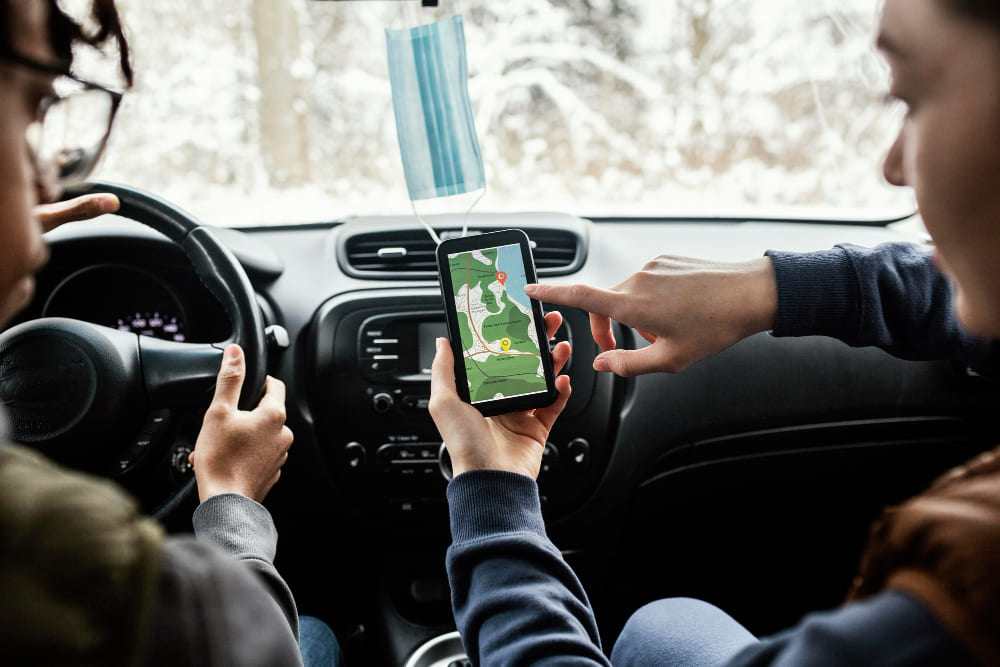
You tap a button, and two minutes later you are in a stranger’s car. No paperwork. No one from HR watching. For most business travelers, this is Tuesday.
The routine feels low-stakes — until a case like Samantha Josephson’s ends up in national headlines. The 2019 murder of a University of South Carolina student who mistakenly entered the wrong car became a turning point: for university safety programs, for corporate travel policies, and for how seriously companies now treat rideshare risk.
What follows is not about star ratings or small talk etiquette. It is about what rideshare travel looks like from a legal and liability standpoint — for professionals who use these services and for the organizations that send employees into those cars.
The Insurance Gap Most Passengers Don’t Know Exists
Here is the thing most people skip until they actually need it.
Rideshare companies classify their drivers as independent contractors. That classification is not just a labor dispute talking point — it directly shapes who pays when an accident happens. Uber and Lyft carry commercial insurance policies, but the coverage level depends on the driver’s exact status at the moment of the crash: Was the app active? Was a passenger in the vehicle? Was the driver en route to a pickup or simply between trips with the app running?
Each scenario triggers a different coverage tier. Some are robust. Some are minimal. Sorting through them without professional help is the kind of mistake that costs claimants months of delays and significantly reduced settlements.
California has been the site of some of the most consequential rideshare litigation in the country — partly because it is Uber’s home state, and partly because of landmark legal battles over driver classification, most notably the Proposition 22 fight in 2020. For passengers involved in accidents on California roads, the legal terrain is particularly layered. An experienced Uber accident lawyer California can clarify which insurance tier applies and what claims a passenger can realistically pursue — because the system rarely moves in a victim’s favor without informed representation guiding it.
So before assuming your personal auto policy or your company’s corporate travel coverage picks up the entire tab: read the fine print. Actually read it.
Corporate Duty of Care Is Not Optional
If your organization books rideshare travel for employees, that arrangement creates legal obligations. Duty of care is a standard that holds employers responsible for worker safety during job-related activities — and business travel qualifies, whether it is a trip from the office to the airport or a late-night ride back from a client dinner.
A firm that sends employees across town to client meetings without any rideshare safety framework has taken on risk it probably has not accounted for. Not hypothetical risk. Actual legal exposure in the event of a serious injury.
Getting this right is not complicated. It mostly comes down to information and a few written procedures.
Thirty Seconds That Can Actually Matter
Basic verification gets skipped constantly, even by experienced travelers.
Before getting into any rideshare vehicle, confirm three things: the license plate matches what the app shows, the driver’s photo matches the person behind the wheel, and the car make and model are correct. Then ask the driver to state your name — not the other way around. A legitimate driver will have no issue confirming it.
This thirty-second check is free. It has also prevented serious harm on documented occasions. Samantha Josephson’s case became a reference point in university safety programs and corporate travel guidelines because it exposed exactly how this step gets bypassed. She verified the car type but skipped the name confirmation. The gap was fatal.
Both Uber and Lyft added PIN verification and trip-sharing features in the aftermath of incidents like hers. Those tools exist inside the apps right now. If your company’s travel policy does not reference them, that is worth raising with whoever manages your risk and compliance protocols.
In the Vehicle: What Professionals Actually Do
You are in the car, driver seems fine, route looks correct. A few habits worth keeping.
Share your trip. Every major rideshare app lets you send real-time location data to a contact. Use it for unfamiliar cities, late-night rides, and solo travel. It takes ten seconds and creates an independent record of your route.
Sit in the back seat. It provides an exit option and physical distance. This is standard professional practice, not excessive caution.
If the route deviates and it is not obvious why — say something out loud. Ask about the detour. Most of the time it is traffic. But asking establishes awareness, yours and the driver’s, and that matters.
Skip the personal details. Your hotel, your schedule, whether you are alone in town. Small talk is fine. Specifics about your movements are not.
After an Accident: The Fifteen Minutes That Shape Everything
Accidents don’t wait for convenient moments. Another driver runs a red light, a tire gives out — and suddenly you are in the middle of something your travel policy probably didn’t prepare you for.
What you do right after matters more than most people expect. A few concrete steps:
- Call 911 if anyone is hurt. A police report is an independent record — it exists outside the rideshare company’s internal system, which serves the company’s interests, not yours.
- Photograph everything — vehicle damage, license plate, driver credentials in the app, your own injuries if any. Screenshot the ride receipt before closing the app.
- Note conditions on the spot — time, weather, road layout. Details blur fast.
- Report through the app, then follow up by email. A written summary to Uber or Lyft support creates a paper trail that live chat does not.
- Don’t sign anything at the scene. Don’t give recorded statements to insurance adjusters before getting legal advice. Both moves can shrink your claim before it even gets reviewed.
Frequent business travelers are worth singling out here: knowing your legal options before an incident is the kind of preparation that actually holds up under pressure. General information about what options are typically available to rideshare accident victims, and what the claims process tends to look like, is available at landverpersonalinjury — worth reviewing before you actually need it.
What Uber’s Own Data Revealed
Rideshare platforms are businesses. Their apps are engineered to move people efficiently. They are not built to protect a passenger’s legal position in a dispute.
Uber’s safety reports — which the company began releasing publicly in 2019, largely due to sustained pressure from advocacy groups and journalists — acknowledged thousands of serious incidents across its platform, including sexual assaults, accidents, and fatalities. The data existed internally for years before it became public. That gap between what platforms know and what they disclose voluntarily is relevant context for any professional who relies on these services regularly.
In-app reporting tools and customer support workflows handle operational relationships. They are not a substitute for independent documentation or legal counsel when something serious happens.
The Practical Bottom Line
Rideshare travel works. It is cost-effective, flexible, and useful for business travel in ways that rentals and taxis often are not. None of that changes because the risk exists. Dismissing the risk, or assuming the app manages it, is where professionals tend to get caught off guard.
Verify before you enter. Share your trip. Document any incident immediately and thoroughly. Understand that insurance coverage is tiered and conditional. If your company manages significant rideshare usage for employees, having a legal framework in place is not excessive — it is standard practice.
The professionals who treat rideshare travel the way they treat any other business tool, with clear protocols and contingency planning, are the ones who are prepared when something unexpected happens. That preparation is not dramatic. It is just sensible.
