


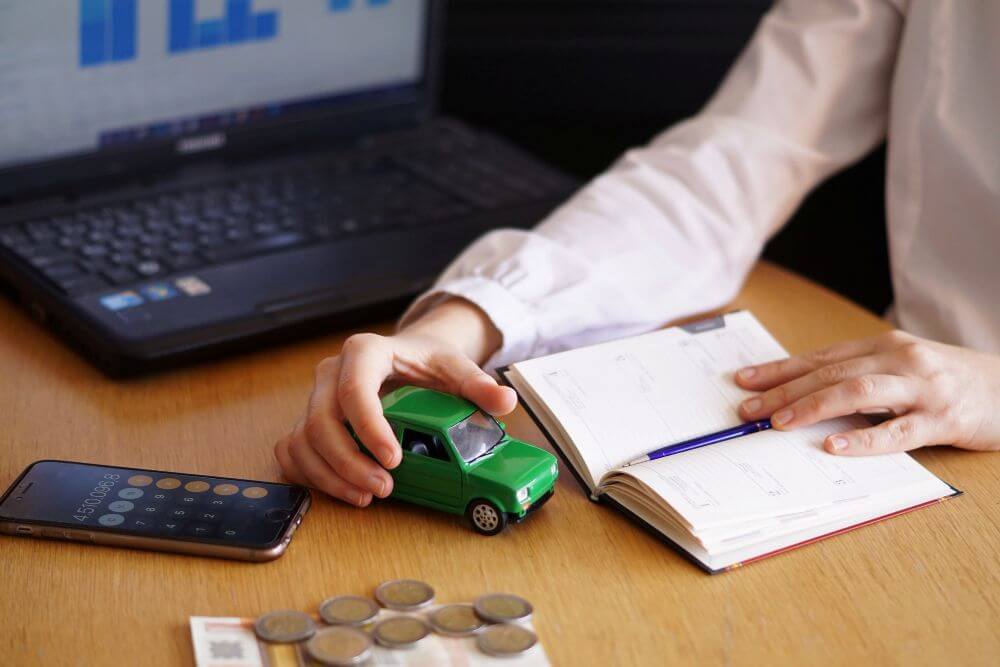
Most Toronto households don’t decide to sell an aging car — they drift into it. The vehicle sits in a paid parking spot, insurance renews automatically, and each repair feels like a one-off rather than a pattern. Yet for many owners, the numbers quietly crossed the line a year or two ago. Running the actual math — and getting a real offer from a direct buyer like topcashforcars.ca, which purchases vehicles across the GTA with free pickup and same-week payment — often turns a vague feeling of “maybe we should sell it” into an obvious financial decision.
The Costs Owners Stop Seeing
Behavioural economists call it the “sunk cost autopilot”: recurring expenses tied to an asset you already own stop registering as decisions. For a Toronto car owner, the list is longer than almost anywhere else in Canada:
- Insurance. GTA premiums are among the highest in the country. Even an older vehicle with basic coverage commonly runs $1,800–$3,000 a year in the city — a cost that has little to do with how much the car is actually driven.
- Parking. A dedicated condo spot rents for $150–$300 a month in central Toronto. Street permits are cheaper but come with winter maintenance bans and the daily shuffle.
- Depreciation and repairs. Past the ten-year mark, repairs stop being occasional. A $900 brake job here, a $1,400 suspension repair there — for a vehicle whose market value may be under $6,000, two repairs a year can consume half the asset’s worth.
- The hidden line: your time. Safety inspections, emissions history checks when selling, seasonal tire swaps, service appointments — hours that carry a real cost even if they never show up on a statement.
Add it up honestly and a lightly used second car in Toronto often costs $5,000–$7,000 a year to simply exist. Against that baseline, a transit pass, occasional car-share, and a few rideshare trips rarely exceed half the amount.
The Break-Even Question
A useful exercise: divide the total annual cost of the vehicle by the number of trips it actually makes. Households running the numbers for the first time are frequently startled — a car used twice a week for groceries and one monthly highway trip can easily work out to $50–$70 per outing. That’s not car ownership; that’s a very expensive subscription with a parking requirement.
The counterargument — “but the car is already paid off” — is precisely the sunk-cost trap. The purchase price is gone regardless. The only question that matters is forward-looking: do the next twelve months of insurance, parking, and probable repairs cost more than the alternatives, minus what the vehicle would fetch today?
Why “What It Would Fetch Today” Is Easier to Answer Than It Used to Be
Historically, the weak link in this calculation was the sale itself. A private sale in Toronto’s crowded marketplace takes weeks, and older vehicles — exactly the ones this math applies to — attract the thinnest buyer pools and the hardest negotiation. Many owners kept aging cars simply because selling felt like a project.
The growth of direct cash buyers changed that variable. A quote takes minutes online, pickup is scheduled within days, and the buyer handles Ontario’s ownership transfer — which matters, because an incomplete transfer can leave the previous owner exposed to parking tickets and 407 ETR charges accrued by the next driver. For end-of-life vehicles or cars needing repairs to pass a safety, the direct route is often the only realistic one: private buyers won’t touch them, but parts and scrap value mean they’re still worth real money.
A Simple Framework Before You Decide
- Total the last 12 months of insurance, parking, fuel, maintenance, and repairs for the vehicle.
- Estimate the next 12 — be honest about the repairs an aging car will likely need.
- Get two or three real offers, not marketplace guesses. Free quotes from direct buyers give you an actual liquidation value in an afternoon.
- Price the alternative — transit, car-share membership, and your realistic rideshare spend.
If the vehicle’s annual cost exceeds the alternative by more than the convenience is worth to you, the spreadsheet has made the decision. All that’s left is execution — and in today’s Toronto market, execution takes days, not weeks.
The Bottom Line
Cars are useful tools, and for many GTA households a vehicle earns its cost many times over. But tools should be audited like any other expense. In a city where insurance, parking, and congestion keep pushing the cost of ownership up while alternatives keep improving, the most profitable drive some Torontonians will make this year is the one where the buyer’s tow truck comes to them.
