


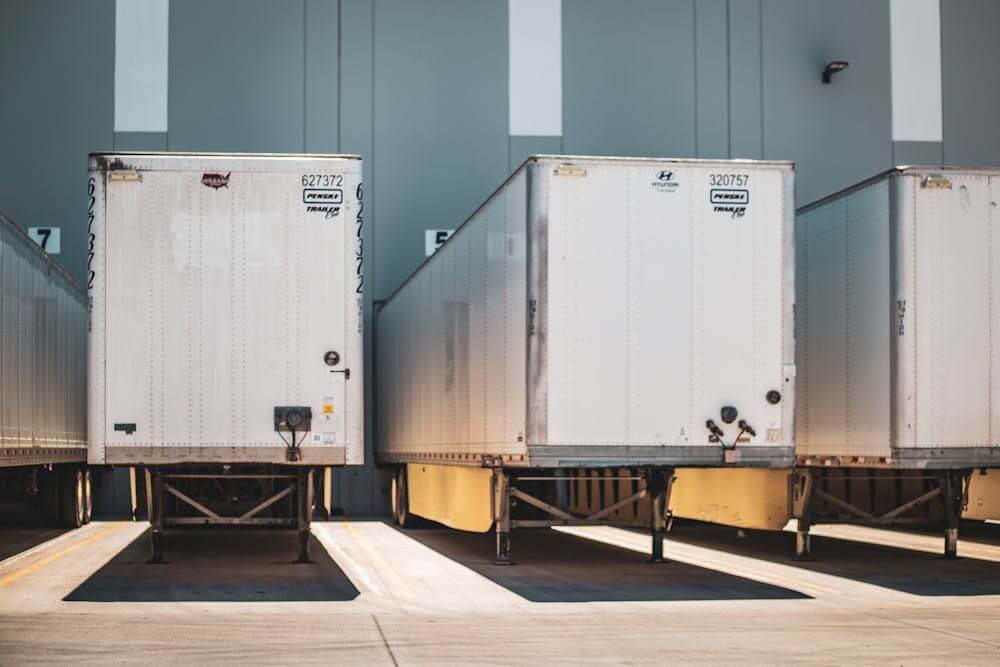
Thinking about ordering a custom commercial trailer for your fleet?
One of the biggest decisions a fleet operator will make is when they have a custom trailer built. Do it correctly and that trailer will pay for itself over and over. Get it wrong and you are stuck with a money pit for 10-15 years.
Here’s the problem:
Too many fleet managers cut corners. Price becomes number one issue and you end up with a trailer that won’t fit your job requirements.
Learn exactly what every fleet manager should nail down before pulling the trigger on that purchase….
Here’s what’s covered:
- Why Custom Builds Beat Off-The-Shelf Trailers
- Key Specs Every Fleet Operator Should Lock Down
- Common Mistakes That Cost Fleets Thousands
- How To Vet A Custom Trailer Manufacturer
Why Custom Builds Beat Off-The-Shelf Trailers
A stock trailer may seem like the inexpensive choice. Once on the road, however, the hidden expenses begin to pile up.
Custom trailers are designed for your fleet’s specific loads, routes and conditions.
The benefits:
- Better payload efficiency
- Longer service life
- Lower fuel consumption
- Fewer maintenance issues
Take the container chassis market for example. It’s booming. In fact the worldwide market for container chassis was valued at $3.57 billion in 20 24 and is expected to continue rising through 20 31. This means an increasing number of fleets are discovering the benefits of purpose built equipment.
Also custom builds by established manufacturers such as dennisontrailers.com allow fleet managers to spec out a container chassis around the exact freight profile, axle setup, and route topology they work with daily. That’s something stock trailers can’t do.
When the trailer matches the work, everything downstream gets easier.
Key Specs Every Fleet Operator Should Lock Down
This is where most fleets become confused. There are hundreds of choices ….and many of them will not matter to your operation.
Here are the specs that matter most:
Axle Configuration & Suspension
The axle setup affects payload, stability, and tyre wear.
Operators need to choose between:
- Single, tandem, or tri-axle setups
- Air-ride vs spring suspension
- Lift axles for partial loads
The correct selection is dependent on the weight of freight carried, the surface conditions experienced on normal journeys and how the weight is distributed around the trailer. Get this decision wrong and your fleet could be going through tires twice as quickly.
Frame Material & Weight
Lighter frames mean more payload. But “lighter” doesn’t always mean “cheaper to run.”
Hybrids using high-tensile steel and aluminium are now the norm for fleets needing maximum payload along with strength.
Brake & Lighting Systems
Today’s trailers must comply with DOT and EPA standards. Verify that the manufacturer uses quality components that meet specifications and that all wiring is sealed/weatherproofed against corrosion.
Telematics-Ready Wiring
This is non-negotiable in 2026.
Today’s trailer-centric telematics report axle-load, tyre-pressure and brake-wear data instantly. When fleets leave this out, they fall behind others able to redeploy assets and avoid overweight fines.
Electrical wiring has to be installed when the trailer is built. It’s costly and messy to add it later, plus it usually voids the warranty on the electrical system.
Common Mistakes That Cost Fleets Thousands
Seasoned fleet managers make mistakes when ordering custom trailers. Here’s what to look out for.
Underestimating Payload Needs
Fleet operators often spec a trailer for the average load, not the heaviest one.
The result?
A trailer overloaded 20% of the time. Trailer wears out sooner, maintenance costs go up, DOT violations.
Ignoring Maintenance Access
A trailer that’s hard to service costs more over its lifespan.
A few things to check:
- Easy access to brake components
- Replaceable wear parts
- Standard hardware (not proprietary fasteners)
Operators who follow structured maintenance programs cut down on unexpected downtime by 40% and increase vehicle longevity by 25%. Premature wear and tear only happens if you let it though. Make sure your trailer is designed with ease of maintenance in mind.
Cheap Components
Cutting corners on seals, bearings, electrical connectors never pays off. Those are the items that ALWAYS fail first… and take you out of service when they fail.
Equip the trailer with name-brand parts even if it’s a few hundred dollars more. You’ll see the savings in years two and three.
Forgetting About Resale Value
Trailers will eventually be sold/traded away. Extremely custom specs kill resale.
A balance between custom features and standard configurations protects the long-term asset value.
How To Vet A Custom Trailer Manufacturer
Not all manufacturers are equal. Here’s what to look for.
Track Record In Your Industry
A manufacturer who constructs equipment for the intermodal market will not likely be the best choice when looking to outfit tanker fleets. Select a manufacturer based on the type of work you do.
Get references from fleets using trailers like yours in similar applications. Field performance always trumps brochure specs.
In-House Engineering
The best custom trailer builders have engineering teams on-site. This means:
- Faster design changes
- Better quality control
- Stronger warranty support
If a manufacturer outsources the engineering, every spec change becomes a headache.
Lead Times & Production Capacity
Lead times for fully custom builds run at 12 months or more. Fleets should consider this in their replacement cycle schedules.
Warranty & After-Sales Support
A 5-year structural warranty is the industry baseline. Anything less is a red flag.
Equally important is your parts network. If a trailer requires parts be shipped from overseas, that trailer will be sitting around.
Pricing Transparency
Custom doesn’t have to equal surprise billing. Manufacturers should offer line-item quotes detailing how each spec choice affects the price.
That way, fleet operators can make informed trade-offs between budget and performance.
Final Thoughts
When you order a custom commercial trailer, you are making a long-term investment. The choices you make during the spec process will affect your fleet for years to come.
To quickly recap:
- Choose a manufacturer with a strong track record in the industry
- Lock down axle, suspension, and frame specs based on actual route data
- Don’t cut corners on components or telematics-ready wiring
- Plan for maintenance access from day one
- Get a detailed quote with transparent pricing
The fleets that come out on top in this marketplace are the ones who approach trailer procurement as a strategic investment, instead of a buying decision. Take your time and do it right. The perfect custom trailer can deliver value for years to come.
