


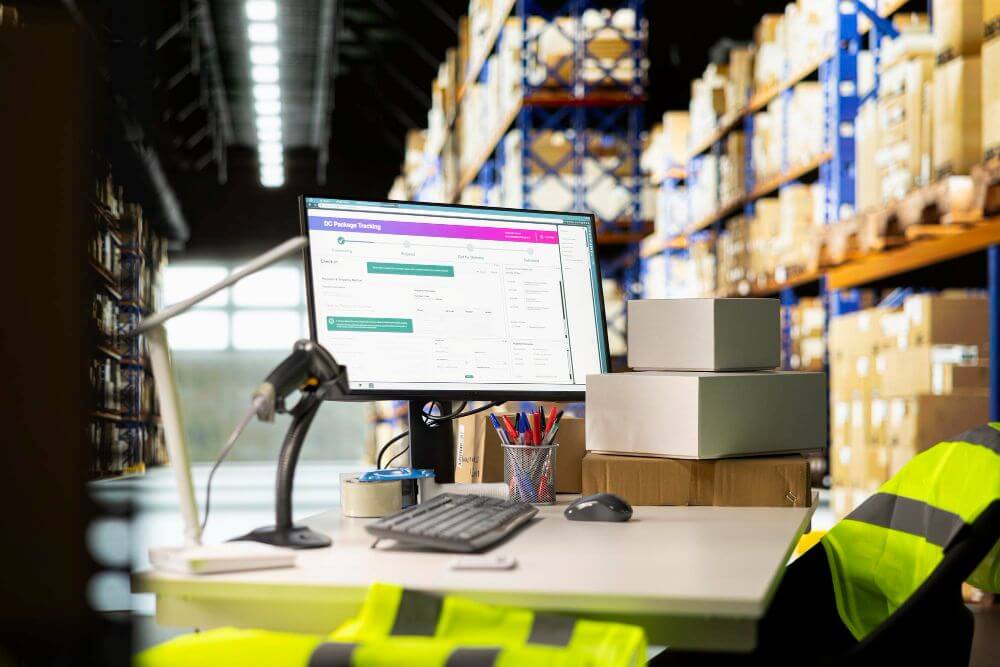
In today’s fast-moving supply chain environment, efficiency is one of the most important factors influencing business success. Warehouses are expected to process inventory faster, fulfill orders accurately, and maintain visibility across increasingly complex logistics networks. Yet many organizations still struggle with manual processes, disconnected systems, and operational bottlenecks that reduce productivity and increase costs.
To stay competitive, businesses are investing in technology that streamlines workflows and improves decision-making. Modern warehouse management software has become a critical tool for organizations seeking greater operational control, better inventory accuracy, and improved supply chain performance.
Companies implementing advanced warehouse management software are transforming warehouse operations by automating routine tasks, improving visibility, and creating more efficient workflows across their facilities.
Operational efficiency is achieved when processes, people, and technology work together seamlessly.
The Growing Complexity of Warehouse Operations
Warehouses today manage much more than inventory storage. They serve as central hubs for receiving, picking, packing, shipping, and coordinating deliveries across multiple supply chain partners.
As customer expectations continue rising, warehouse teams must process orders faster while maintaining high levels of accuracy.
Common operational challenges include:
- Inventory discrepancies
- Manual data entry errors
- Delayed order fulfillment
- Inefficient labor allocation
- Limited shipment visibility
- Communication gaps between departments
Without modern systems in place, these challenges can significantly impact productivity and profitability.
Manual Processes Limit Efficiency
Many warehouses continue to rely on spreadsheets, paper records, or disconnected software systems to manage critical operations.
While these methods may support smaller facilities, they often create inefficiencies as businesses grow.
| Warehouse Challenge | Operational Impact |
| Manual inventory tracking | Increased errors and delays |
| Paper-based workflows | Slower processing times |
| Limited reporting capabilities | Poor decision-making |
| Inefficient labor management | Higher operating costs |
| Lack of real-time visibility | Reduced operational control |
As warehouse activity increases, manual processes often become major barriers to efficiency.
Real-Time Visibility Improves Decision-Making
One of the most valuable benefits of warehouse management software is real-time operational visibility.
Managers can monitor inventory levels, track order progress, and oversee warehouse activity through centralized dashboards that provide immediate access to critical information.
This visibility allows organizations to:
- Identify workflow bottlenecks quickly
- Monitor inventory movement accurately
- Improve order fulfillment performance
- Reduce stock shortages and overstocking
- Respond faster to operational disruptions
Real-time data helps managers make informed decisions that improve efficiency across the warehouse.
Better visibility leads to faster decisions and stronger operational performance.
Automation Reduces Human Error
Manual data entry remains one of the most common causes of warehouse inefficiencies.
Even small mistakes in inventory records or shipment documentation can create costly delays and fulfillment issues.
Warehouse management software helps automate routine processes such as:
- Inventory updates
- Barcode scanning
- Receiving workflows
- Order routing
- Shipment tracking
- Reporting and documentation
Automation reduces repetitive tasks while improving consistency and accuracy throughout warehouse operations.
As a result, employees spend less time correcting errors and more time focusing on productive work.
Improved Inventory Accuracy Supports Faster Fulfillment
Inventory accuracy is essential for efficient warehouse management.
Inaccurate stock information can result in delayed shipments, backorders, excess inventory, and dissatisfied customers.
Warehouse management systems improve inventory control through real-time tracking and automated inventory updates.
Organizations gain greater confidence in stock levels while benefiting from:
- Faster product location identification
- Improved inventory turnover
- Reduced stock discrepancies
- Better replenishment planning
- More accurate forecasting
Accurate inventory data allows warehouses to fulfill orders more efficiently while minimizing costly operational disruptions. Warehouse performance also depends on the physical environment where these systems operate. Uneven flooring, surface irregularities, or unsuitable warehouse conditions can affect equipment movement, safety, and overall workflow efficiency. Businesses looking to improve facility performance can benefit from professional Floor Surveys to identify potential issues and ensure warehouse spaces are suitable for modern operational demands.
Labor Optimization Increases Productivity
Labor costs are among the largest expenses in warehouse operations.
Inefficient workflows often force employees to spend unnecessary time searching for products, resolving inventory issues, or duplicating work.
Warehouse management software helps optimize labor allocation by providing better visibility into workloads and task priorities.
Benefits include:
- Improved picking efficiency
- Faster receiving processes
- Better workload balancing
- Reduced travel time within facilities
- Increased employee productivity
By streamlining workflows, organizations can improve output without significantly increasing labor costs.
Better Freight Coordination Improves Supply Chain Performance
Warehouse efficiency is closely connected to transportation and freight operations.
Delays in receiving shipments or coordinating outbound deliveries can disrupt inventory availability and customer fulfillment schedules.
Businesses using integrated freight management software alongside warehouse operations can improve shipment visibility and strengthen coordination between warehouse teams and logistics providers.
This integration supports:
- Better inbound shipment planning
- Improved outbound delivery coordination
- Faster issue resolution
- Enhanced carrier communication
- Greater supply chain transparency
Connected systems help organizations create smoother workflows across the entire logistics network.
Data Analytics Drive Continuous Improvement
Modern warehouse management software generates valuable operational data that can be used to improve performance over time.
Managers can analyze key metrics such as:
| Key Performance Indicator | Operational Benefit |
| Order fulfillment speed | Faster customer deliveries |
| Inventory accuracy | Reduced stock discrepancies |
| Labor productivity | Better workforce utilization |
| Shipment processing time | Improved warehouse throughput |
| Carrier performance | Stronger logistics planning |
These insights allow organizations to identify inefficiencies, monitor performance trends, and implement targeted improvements.
Scalability Supports Business Growth
As businesses grow, warehouse operations become increasingly complex.
Additional inventory, higher order volume, and expanded distribution networks require systems that can scale efficiently without creating operational strain.
Warehouse management software provides the flexibility needed to support growth while maintaining consistent performance.
Cloud-based platforms also offer centralized visibility across multiple warehouse locations, making it easier to manage operations as organizations expand.
Technology Is Shaping the Future of Warehousing
The modern warehouse is becoming increasingly data-driven, automated, and connected.
Organizations that invest in warehouse management technology are improving operational efficiency, reducing costs, and positioning themselves for long-term success in an increasingly competitive marketplace.
Warehouse management software is no longer simply a tool for inventory control. It has become a strategic asset that helps businesses improve visibility, streamline workflows, and strengthen supply chain performance.
As customer expectations continue evolving, organizations that embrace smarter warehouse operations will be better equipped to adapt, scale, and compete in the future.
