


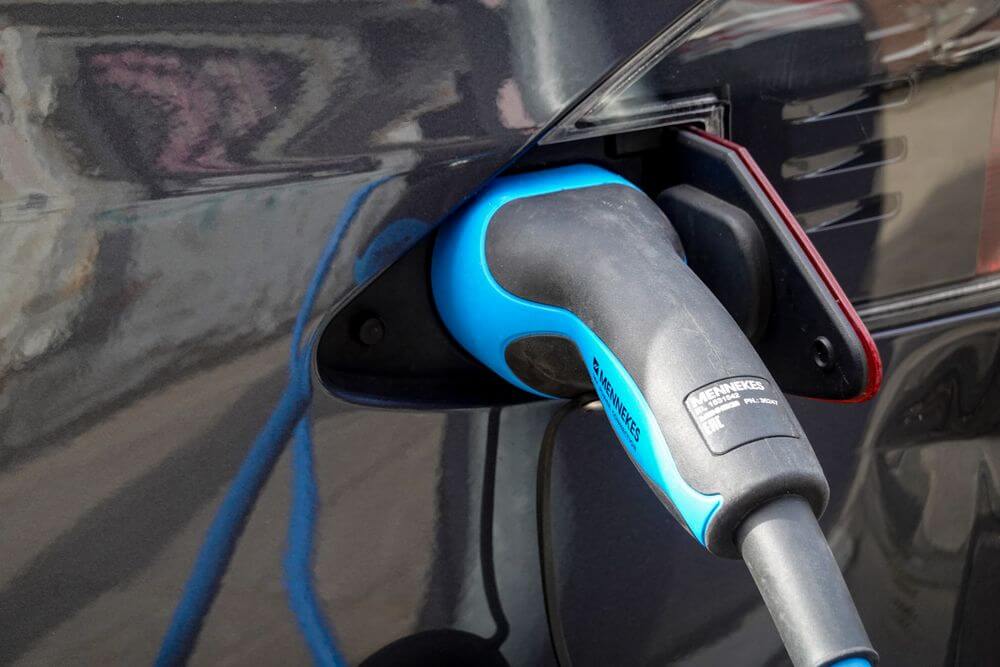
Buying an electric vehicle is the easy part. Figuring out how to charge it at home, reliably and safely, is where a lot of new owners hit their first surprise. The charger that came in the trunk plugs into a standard outlet and adds range at a crawl. For most households, the real answer is a dedicated home charging setup, and that is an electrical project, not an accessory purchase.
Here is what to sort out before the charger arrives, so the install goes smoothly and the panel can actually support it.
Level 1 versus Level 2
Level 1 charging uses a standard 120-volt outlet and adds roughly three to five miles of range per hour. That is fine for a plug-in hybrid or a very light commute, and useless for almost everyone else. Level 2 charging runs on a 240-volt circuit, the same kind a dryer or a range uses, and adds something like 25 to 40 miles of range per hour. For a daily-driven EV, Level 2 is what makes home charging practical, and it is what most owners end up installing.
Can the panel handle it?
This is the question that determines the whole project. A Level 2 charger is a significant continuous load, often 40 to 60 amps. A licensed electrician runs a load calculation on the existing panel to see whether there is capacity to add that circuit. Older homes on 100 amp service frequently do not have the headroom, which means the charger install becomes a panel upgrade first. That is not a reason to avoid the project; it is a reason to find out early rather than mid-install.
The charger also needs to be placed thoughtfully. The run from the panel to the garage wall affects both the cost and the cleanliness of the install. A short, direct run is cheaper and tidier than wiring snaked across half the house, so the location conversation is worth having up front.
Permits and safety are not optional
A 240-volt, high-amperage circuit is exactly the kind of work that should be permitted and inspected. The local authority signs off on the circuit before it is energized, which protects the home and confirms the work meets code. A contractor who suggests skipping the permit to save a few dollars is offering to leave an unpermitted, high-load circuit in your garage, which is a problem for both insurance and any future sale.
Hardwired chargers and plug-in chargers each have their place, and a good electrician will walk through the trade-offs based on your vehicle, your garage, and whether you might add a second EV later. Planning for that second vehicle now is often cheaper than redoing the work in two years.
Choosing the installer
EV charger work belongs with a licensed electrical contractor, both for safety and because the load calculation and permitting require it. Verify the Oklahoma Electrical Contractor License number through the Construction Industries Board, get the scope in writing, and confirm who pulls the permit.
In the Tulsa area, Half Moon Plumbing and Electric handles this work under Oklahoma Electrical Contractor License #00140295, including the load calculation, any panel work the circuit requires, and the permit-and-inspection process from start to finish. Owners planning ahead for a new vehicle can review what proper home EV charger installation involves and get the electrical side sorted before the car shows up in the driveway.
The short version
Decide on Level 2, get the panel checked before you commit, insist on a permit, and plan the charger location with the electrician rather than around them. Handle those four things and home charging becomes the quiet convenience it is supposed to be instead of an afterthought that overloads an aging panel.
