


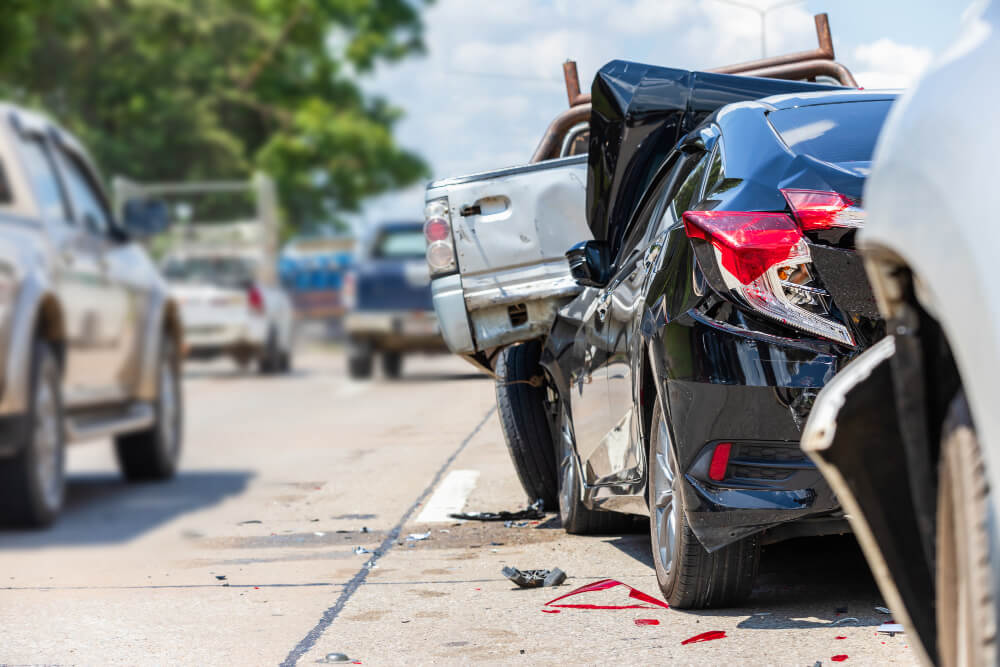
A sudden car wreck can turn a quiet afternoon upside down in a heartbeat. The roads around many communities are often busier than people expect, leading to severe collisions when drivers lose focus. If you are struggling with medical bills and vehicle damage, dealing with the aftermath feels overwhelming. Families are left to handle unexpected expenses while trying to heal from painful injuries.
Taking action right after an accident is often very difficult because you are dealing with physical pain and immense stress. You might have to miss work, which means your household income stops just as your bills start piling up. Knowing your legal options is the first step toward reclaiming your peace of mind. Getting help from skilled legal representation can guide you through the process and secure the financial help you need to heal properly.
The Reality of Local Traffic and Roads
Every town and suburb has its own unique traffic patterns. While residential neighborhoods offer quiet streets, the main roads handle a surprising amount of daily commuter traffic. Major routes and highways cut through the heart of many communities. These roads connect residential areas to local industries, shopping centers, and schools. Many residents commute daily to nearby cities, making these lanes highly congested during morning and evening rush hours. When heavy commercial trucks and passenger cars share these narrow routes, the risk of a severe collision rises significantly.
Interstate highways also run nearby, funneling high-speed highway traffic onto local streets. Drivers who are unfamiliar with local roads often make dangerous, split-second mistakes. When a driver looks at a phone instead of the road, they can easily trigger a rear-end collision or a devastating side-impact crash. These incidents leave victims with broken bones, soft tissue damage, and emotional trauma that lasts for months.
Why Inexperienced Teen Drivers Face Big Challenges
Local schools are central to almost every community. During the school year, school zones see a massive spike in traffic every morning and afternoon. This means many young drivers are on the road at the exact same time as heavy commuter traffic, increasing the statistical likelihood of accidents. Young drivers are often overconfident, which can lead to speeding or tailgating. They are also easily distracted by smartphones or fellow teenage passengers. Because they lack long-term road experience, teenagers may not know how to react quickly when traffic comes to a sudden halt on a highway. This leads to preventable collisions on local routes.
When a teenager is involved in an accident, the financial consequences can impact the entire family. Parents often wonder how to manage complex insurance claims and whether they will be held legally responsible. Resolving these situations requires a clear understanding of state insurance laws and liability rules. Families need clear answers to protect their households from unfair financial burdens.
Actions to Take Immediately After a Collision
What you do immediately following a car crash can have a major impact on your physical safety and your future legal claim. Keep a simple step-by-step checklist in mind:
- Check for injuries and call emergency services: Ensure everyone is safe and request both law enforcement and medical personnel so an official police report is created.
- Get medical attention right away: Even if you feel fine, let paramedics check you over. Many common injuries, like whiplash or mild traumatic brain injuries, do not show symptoms immediately. Adrenaline can mask pain for hours after a crash.
- Document the scene thoroughly: Take clear photos of the damage to all vehicles, vehicle positions, skid marks, license plates, and overall road conditions.
- Gather contact information: Exchange details with all drivers involved and collect names and phone numbers from any witnesses who stopped to help.
- Protect your claim: Stick strictly to the facts when speaking with law enforcement. Avoid apologizing or speculating about who caused the crash.
Gathering Evidence to Support Your Claim
After the police clear the scene, seek a thorough medical evaluation at a local clinic or emergency room. Keep detailed records of every doctor visit, medical bill, and prescription you receive. These documents prove the physical and financial toll the crash has taken on your life. According to data tracked by the National Highway Traffic Safety Administration, millions of traffic collisions happen across the country every year, with many resulting in serious injuries. Having official medical documentation shows insurance adjusters that your injuries are real and directly caused by the wreck.
You should also keep a daily recovery journal. Write down how your injuries affect your daily routine, your ability to work, and your family life. This personal record helps demonstrate non-economic damages, such as pain and suffering, caused by another driver’s carelessness. When you have concrete records, it becomes much harder for insurance companies to minimize your suffering or deny your rightful compensation.
The Struggle of Dealing With Insurance Adjusters
Many accident victims believe that their insurance company or the other driver’s insurer will treat them fairly. Unfortunately, insurance companies are businesses focused on protecting their bottom line. They often try to pay out as little as possible to settle claims quickly before you understand the full, long-term cost of your recovery. Adjusters might call you shortly after the accident to ask for a recorded statement. They may phrase questions in a way that tricks you into admitting partial fault or downplaying your injuries. It is usually best to avoid giving formal statements until you have consulted with an attorney.
The insurance company may also offer you a fast cash settlement. While this offer looks tempting when medical bills are piling up, it is almost always far less than what you actually need. Once you accept a settlement, you cannot ask for more money later, even if you discover you need surgery down the road. Insurance adjusters count on people feeling desperate for cash so they can close files cheaply. Having professional guidance helps you spot these traps and avoid signing away your rights.
How Local Legal Representation Protects Your Family
A knowledgeable attorney understands the specific details of personal injury laws and how they apply to your case. Many states follow comparative negligence rules, meaning you can still recover financial compensation as long as you are not mostly responsible for the crash. A skilled lawyer knows how to gather evidence to prove the other driver held primary fault. Your attorney can handle all communications with the insurance companies so you can focus entirely on healing. They will calculate the true value of your claim, including future medical bills and lost earning capacity.
If the insurance company refuses to offer a fair settlement, your lawyer will be prepared to take your case to court. Knowing you have a dedicated legal team willing to fight for you often encourages the insurance company to make a much fairer offer during negotiations. Court trials take time, but having strong representation ensures your voice is heard by a judge and jury.
Moving Forward with Confidence After a Crash
Recovering from a car accident is a long journey that involves more than just healing physical wounds. It is also about rebuilding your life, paying off unexpected debts, and finding a way to move forward. You do not have to carry the heavy burden of a legal battle all on your own during this difficult time. With the right legal support, you can hold the negligent driver accountable and secure the compensation you deserve. Taking this step protects your family’s financial future and allows you to focus on what matters most.
