


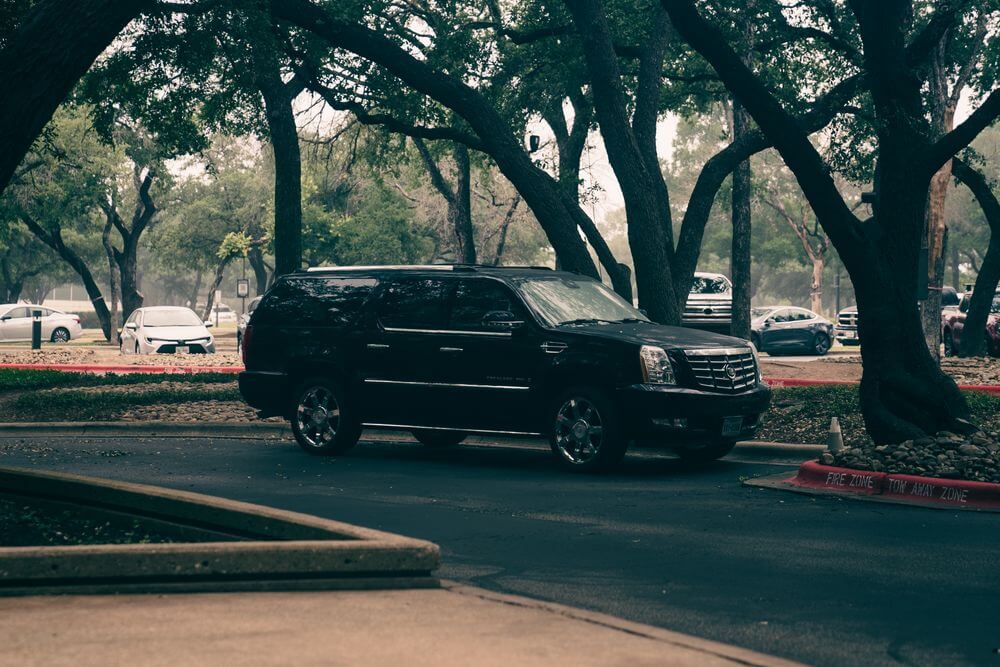
The Cadillac Escalade has earned a reputation as one of the most recognizable luxury SUVs on the road. It offers a spacious interior, advanced technology, and strong performance, making it a popular choice for families and professionals alike. Even so, no vehicle is immune to mechanical or electrical problems. Some owners report issues involving the engine, transmission, suspension, or electronics, while others enjoy years of trouble-free driving.
When a problem appears more than once, keeping accurate records becomes just as important as getting the repair completed. Many owners also spend time learning about their consumer protection options after repeated dealership visits fail to solve the same issue. Having detailed repair records can make it easier to understand what has happened over the life of the vehicle and provide useful information if questions arise about warranty coverage or other legal rights.
One repair visit does not always point to a serious defect. Vehicles can develop isolated problems that are corrected with a single repair. The situation changes when the same warning light, unusual noise, or performance issue continues after multiple service appointments. A clear record of those visits helps create a timeline that shows when the concern began, what repairs were performed, and whether the problem returned.
Why Warranty Records Matter
A factory warranty exists to cover certain repairs during a specific period of time or mileage. Reporting problems while the warranty is active gives both the dealership and manufacturer an opportunity to diagnose and repair the issue. Waiting until the warranty expires may make it more difficult to determine when the problem first appeared.
Every service visit creates documentation that may become valuable later. Repair orders usually include the customer’s complaint, the technician’s findings, the work performed, and the mileage at the time of service. Together, these records tell the story of the vehicle’s repair history.
Even if technicians cannot duplicate the problem during an inspection, the visit still shows that the owner reported a concern. That information may become important if the same issue continues over the following weeks or months.
Start Documenting Problems Early
Many drivers assume they should wait until a problem becomes severe before scheduling service. In reality, early documentation often creates a stronger repair history. Small issues sometimes grow into larger mechanical failures, and having records from the beginning helps establish when the symptoms first appeared.
Owners should write down the date, current mileage, weather conditions, and driving situation whenever a problem occurs. A warning light that appears only during highway driving or after the engine reaches operating temperature may provide valuable clues during diagnosis.
Photos and short videos can also help document issues that disappear before reaching the dealership. Dashboard warning messages, unusual sounds, or display malfunctions are often easier to explain when supported by visual evidence.
Engine Problems Should Never Be Ignored
Modern engines rely on complex electronic controls and precise mechanical components. When something goes wrong, the symptoms may include rough idling, hesitation during acceleration, loss of power, excessive oil consumption, warning lights, or difficulty starting.
These problems should be reported as soon as possible instead of waiting for the next scheduled maintenance visit. Delaying repairs can sometimes allow a minor issue to become more expensive.
When visiting the dealership, owners should explain exactly what happened. Mention whether the engine was cold or warm, whether the vehicle had been parked overnight, and what occurred immediately before the problem appeared. Specific details often provide technicians with a better starting point than a general description.
Transmission Concerns May Come and Go
Transmission issues can be frustrating because they do not always happen during a short test drive. Some vehicles hesitate only after sitting overnight, while others shift harshly during acceleration or produce a noticeable jolt at certain speeds.
Instead of saying the transmission feels unusual, describe the exact conditions that trigger the problem. Explain whether the hesitation occurs after stopping at an intersection, while climbing a hill, or during highway driving. Clear descriptions improve repair records and give technicians more useful information.
If the transmission receives software updates or replacement parts, keep copies of every repair order. Future visits become easier to compare when previous repairs are well organized.
Electrical Systems Can Be Difficult to Diagnose
Today’s luxury SUVs contain dozens of electronic systems that control everything from navigation and entertainment to cameras, sensors, and driver assistance features. Because of this complexity, electrical problems sometimes appear briefly before disappearing.
Owners should not ignore an issue simply because it cannot be reproduced later. A dashboard photo showing an error message or warning light may become useful if the problem happens again.
Keeping notes about what the vehicle was doing at the time can also help. For example, record whether the issue happened during startup, while driving, or after using a specific feature. Small details sometimes help technicians identify patterns that would otherwise go unnoticed.
Suspension Changes Deserve Attention
A comfortable ride is one of the features many Escalade owners expect. When the vehicle begins riding unevenly, bouncing excessively, leaning to one side, or displaying suspension warnings, the change should be inspected.
Photographs taken from the same location over time may show gradual changes in ride height. Service paperwork should also describe the actual concern reported instead of using only general inspection language.
Ignoring suspension problems may affect ride quality, tire wear, and overall vehicle handling.
Watch for Signs of a Recurring Problem
Not every repair points to a lasting defect. The greater concern is when the same system continues to experience similar problems after multiple repair attempts.
Repeated warning lights, recurring transmission symptoms, engine problems that return after replacement parts are installed, or electrical failures that appear and disappear over time may indicate an issue that has not been fully resolved.
Owners should compare each repair order with earlier service records. Similar descriptions appearing on multiple visits often reveal patterns that may not be obvious at first.
Check for Safety Recalls
Warranty repairs and safety recalls are not the same. A recall addresses a safety-related defect identified by the manufacturer or federal regulators, while warranty coverage applies to eligible repairs covered under the vehicle’s warranty.
Owners should periodically check whether their vehicle has any open recalls and keep copies of recall notices with other service records. Even after recall work is completed, the paperwork should remain part of the vehicle’s maintenance history.
The National Highway Traffic Safety Administration provides an official VIN lookup tool that allows owners to search for open recalls and review vehicle safety information.
Keep Track of Time Spent in the Shop
The number of repair visits tells only part of the story. It is also helpful to record how long the vehicle remains at the dealership for diagnosis, waiting on replacement parts, or completing repairs.
Drop-off receipts, pickup paperwork, and loaner vehicle agreements help create a complete timeline. Several shorter visits can add up to weeks without the vehicle, making organized records even more valuable.
Review Repair Orders Carefully
Before leaving the dealership, read the repair order to confirm it accurately describes the concern you reported. A detailed description creates a stronger record than a brief note that does not reflect the actual symptoms.
After the repair is complete, review the final paperwork to see what technicians inspected, what repairs were made, and whether any parts were replaced. Even if the dealership states that it could not duplicate the concern, keep the document for future reference.
Create a Simple Repair File
Staying organized does not require complicated software. A folder containing repair orders, warranty information, recall notices, photographs, videos, emails, and maintenance records is often enough.
Many owners also benefit from creating a simple timeline that lists the mileage, reported problem, repair date, and whether the issue returned. This makes it much easier to understand the vehicle’s repair history without sorting through dozens of documents.
Good Records Can Make a Difference
Every vehicle has its own maintenance history, and owner experiences can vary widely. Some Escalades provide years of dependable service, while others may experience repeated mechanical or electrical concerns. What matters most is documenting problems as they occur and maintaining complete records throughout the warranty period.
When repairs do not permanently solve a significant defect, organized documentation provides a clearer picture of the vehicle’s history. It can help owners communicate more effectively with dealerships and manufacturers while also making it easier to evaluate available warranty or consumer protection options if the problems continue.
Owners can also review the National Highway Traffic Safety Administration’s recall database to check for open safety recalls and search for recall information using their vehicle identification number. Reviewing this information alongside dealership repair records provides a more complete picture of the vehicle’s history.
