


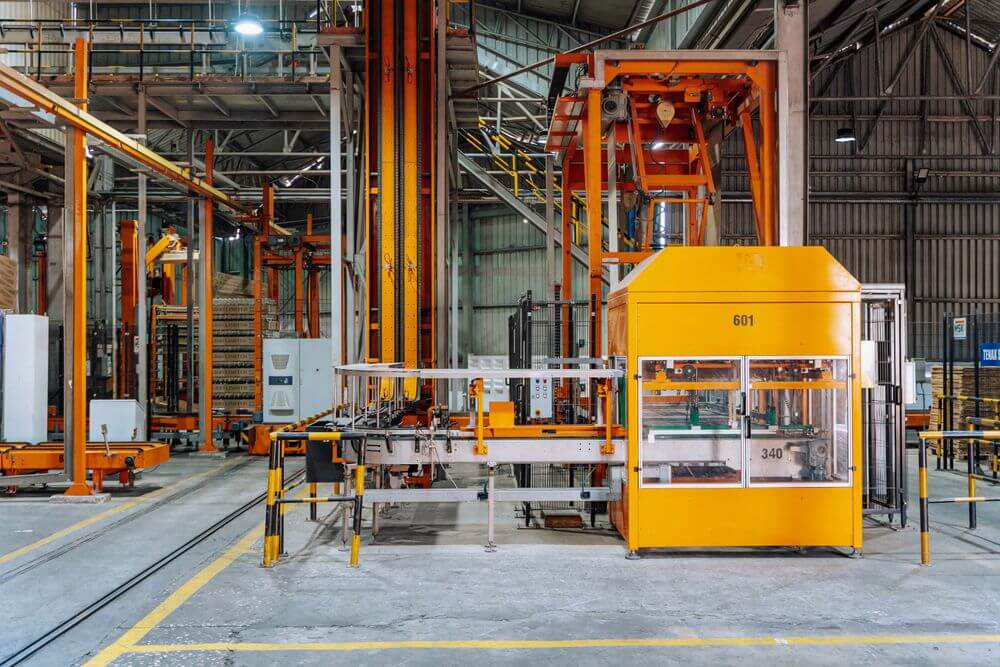
Have you ever wondered how businesses manage to produce thousands of products each day with such precision and efficiency? It might surprise you to learn that a lot of this magic happens behind the scenes with something called control system integration. This isn’t just a fancy tech term—it’s the secret sauce that’s supercharging operations in industries ranging from manufacturing to transportation.
Let’s take a journey through the world of control system integration and see how it can turbocharge your business operations. We’ll also highlight a shining star in this field: Pacific Blue Engineering. They’re pros in crafting custom automation solutions that help businesses optimize processes, modernize controls, and much more.
What Exactly is Control System Integration?
Think of control systems as the brains of your operations. They connect all the different parts—machines, software, and data—into one cohesive, smart unit. This integration allows businesses to automate processes, reduce errors, and get detailed insights into their operations. It’s like having a conductor coordinating an entire orchestra to play perfectly in sync.
Pacific Blue Engineering exemplifies this orchestration by delivering tailored industrial automation services. They specialize in enhancing manufacturing, food and beverage, life sciences, entertainment, and transportation industries. Their expertise ensures that businesses don’t just operate—they thrive.
Boosting Efficiency and Productivity
Here’s the thing: every business wants to do more with less. Control system integration sets the stage for automation of repetitive tasks. Imagine having a virtual assistant that handles all the boring stuff, freeing your employees to focus on tasks that need a human touch.
For instance, in a manufacturing plant, machines orchestrated by an integrated system can produce items faster, with fewer hiccups and less manual intervention. This streamlined workflow not only quickens production cycles but also optimizes labor usage. Your team can shift gears from data entry and routine checks to creative problem-solving and innovation.
Slashing Operating Costs
You know what’s better than doing things efficiently? Doing them at a lower cost. Integrated systems can drastically reduce your operating expenses. How? By running operations with laser precision, they minimize waste, ensure energy savings, and reduce labor costs.
Think about it like this: A well-integrated system acts as a vigilant warden, ensuring machines and processes don’t slack off. It reduces the chance of unplanned outages and the costs linked with emergency repairs. So, you’re not just saving a buck—you’re saving a bundle.
Real-Time Visibility and Nimble Decision-Making
In today’s fast-paced environment, having access to the right information at the right time is a game-changer. Integrated systems provide real-time visibility of operations, consolidating data from across the board into a single, easy-to-read dashboard.
Imagine being a manager with a superpower: you can see exactly what’s happening in your plant at any given moment. This real-time insight allows for swift, data-driven decisions, whether it’s adjusting production schedules or strategizing inventory. It’s akin to having a panoramic view of your operations, ensuring that no blind spots hinder your decision-making process.
Reliability and Maintenance? Don’t Worry About It!
Reliability is the unsung hero of productivity. When systems are seamlessly integrated, businesses gain enhanced diagnostics and predictive insights that keep everything running smoothly.
Picture this: Instead of scrambling to fix a machine after it breaks down, you receive a friendly nudge from your system telling you a part might need replacing soon. This predictive maintenance reduces downtime and keeps everything ticking along nicely, much like replacing an appliance’s battery before it starts fizzling out.
Quality Control on Another Level
Consistent quality isn’t just a target, it’s a promise. Integrated systems ensure that every product meets your high standards by harmonizing control logic across production lines.
Let’s say you’re producing identical widgets. With integrated control systems monitoring every step, any deviation from the set quality parameters sends an alarm. It’s like having a quality control officer stationed at every phase, guaranteeing uniform product consistency and compliance with industry standards.
Ensuring Safety and Minimizing Risks
Safety first, right? Integrated control systems embed automated safety functions and interlocks that make operations safer.
Automated systems reduce the need for risky manual interventions, cutting down human errors and physical strain. Picture a safety net woven into your operations, catching potential issues before they become serious hazards. It’s peace of mind that ensures minor setbacks don’t snowball into major disasters.
Streamlined Data Accuracy and Flow
Nobody likes data errors, especially when they can lead to costly mistakes. Integration ensures that data flows seamlessly across your organization, eliminating manual entry errors and data silos.
Think of it as a superhighway of information, where different departments—production, maintenance, quality, finance—can access the same reliable data. A unified data repository becomes your single source of truth, allowing for better communication, collaboration, and decision-making.
Scalability and Innovation at Your Fingertips
As your business grows, your systems need to grow too. With control system integration, scaling up is a breeze. Need to add equipment or adopt new technologies? No problem. Integrated architectures allow for modular expansion without disrupting existing operations.
It’s like having a flexible lego set that you can keep adding to, ensuring that you stay ahead of the curve as technology evolves and customer demands shift.
Industry-Specific Benefits
No two industries are alike, but they all share common challenges. Whether you’re in manufacturing, food and beverage, or any other sector, control system integration adapts to your specific needs.
- Manufacturing: Envision a holistic view of production that offers superior optimization of the entire operation.
- Food & Beverage: Simplified compliance, streamlined operations, and reduced environmental impact are just a few highlights.
Control system integration transforms operations from scattered and reactive to connected, automated, and proactively managed.
Conclusion: A New Era of Efficiency
Control system integration isn’t just about connecting systems—it’s about optimizing how you do business. Whether you’re looking to reduce costs, improve reliability, or enhance quality, integrated systems can propel your operations into a new era of efficiency and excellence.
And if you’re thinking about stepping up your game, Pacific Blue Engineering is here to help. Their expertise in scada system integration and automation services can transform your vision into reality. So why wait? Dive into the exciting world of control system integration and watch your operations soar to new heights.
