


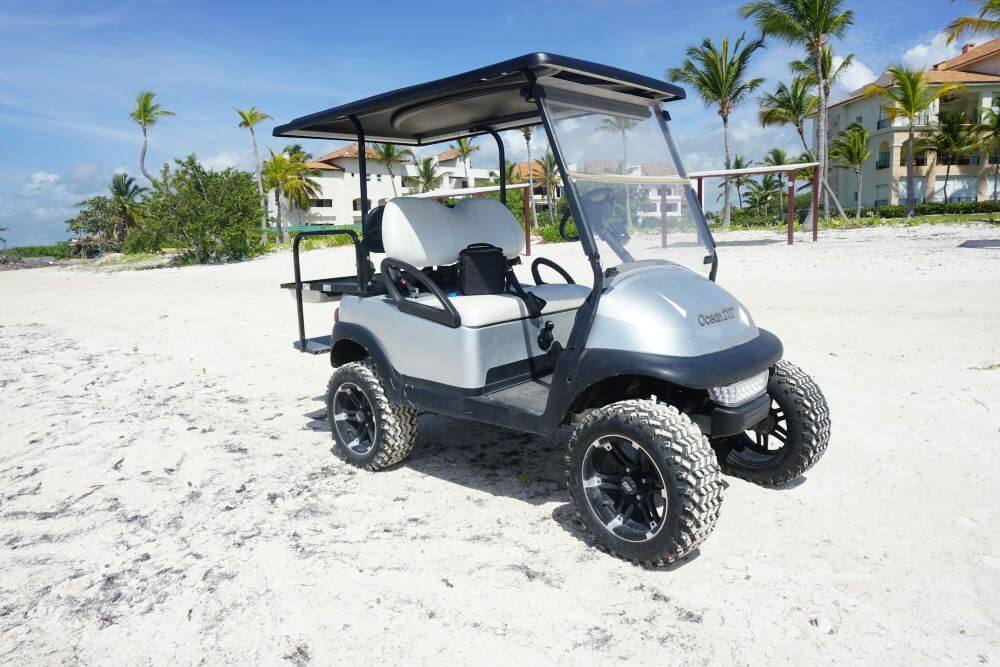
Buying or owning golf carts isn’t a small feat. The brand, color, size, and customization options all factor into choosing the right one that suits your lifestyle. And golf carts aren’t just meant for the green grounds either; you can find these carts on private estates, hobby farms, and even campgrounds. As such, paying attention to almost every aspect of the cart is vital.
Most people skimp on the tires, but they affect the experience more than you’d think. Golf cart tires determine everything from ride comfort to traction and cart durability. Whether you’re buying your first cart or replacing a worn set, choosing the right tires is essential. Here’s an easy guide to getting this right.
Consider How and Where You Drive
How you use your golf cart is one of the first things that will decide what kind of tires to get. If it mainly travels on well-groomed golf courses, its tire considerations will be drastically different from those of carts that commonly see wet grass and rutted terrains. Based on these, here are three common options to pick from:
- Turf Tires: These have broad treads that distribute the cart’s weight evenly across the contact area, reducing ground pressure and also keeping the turf underneath safe.
- All-Terrain Tires: These have deeper, more aggressive treads that offer better grip on less-smooth surfaces, even slippery ones.
- Street-Turf Hybrids: If you use your cart on both rough grounds and smooth golfing grounds, these hybrid tires are often the best pick.
Evaluating Tread Designs
Talking about tire tread, golf cart tires are typically available with various tread patterns. The best choice depends on matching them with your usage style:
- Saw-Tooth: This pattern is often characterized by jagged tracks across the tire, offering high tire traction, durability, and terrain integrity maintenance.
- Straight-Ribbed: This is a smooth tread pattern in a straight-ribbed design, ideal for carts on grassy terrains.
- Turf: This pattern resembles a rounded shoulder design that focuses on minimizing terrain damage, which is again ideal for grassy surfaces.
- Knobby: This is a versatile tread pattern best suited for off-road or customized carts, with each knob designed for specific conditions, such as muddy terrain.
- Sand Tread: This is an indented tread pattern that offers maximum traction on shifting sand, making it excellent for desert or beach carts.
- All-Terrain: This pattern is a yard-friendly option that offers optimal support for mild off-road use without aggressive sand or knobby treads.
Understanding Low vs. High Tire Profiles
Besides treads, you’ll also have to pick between low- and high-profile tires that match your sizing needs.
Low-profile tires are usually thinner, often found on golf carts that haven’t been lifted. They’re ideal for dry, paved roads, as the tires have stiffer sidewalls. These ensure better grip on smooth terrains, offering higher wheel control and response.
Meanwhile, high-profile tires have broader sidewalls and are taller than low-profile ones. All-terrain tires are the most common example of this category. If you want more comfort and balance, high-profile tires are the best choice because they absorb shocks more efficiently, resulting in less bounce during the ride.
Knowing Tire Sizes
Tire sizing for golf carts uses a standard format that can be very confusing to most people, especially if you’re coming from regular car tires. For instance, 18×8.50-8, where “18” refers to the tire height in inches, “8.50” refers to its section width, and “8” refers to the wheel diameter. Each of these numbers is vital, and getting even one of them wrong means you’ll have a problematic ride.
Incorrect tire sizes can force the tire to rub against the fender, reduce ground clearance, and also affect braking response. According to federal regulations, tire loading beyond the weight marked on the sidewall poses a serious safety risk. So, always check your current tires or read your owner’s manual to decide which tire size is appropriate for your cart.
The Bottom Line
The right set of golf cart tires gives you peace of mind regarding safety, performance, and longevity. These aren’t things you should compromise on, especially if you’re using your cart regularly. With a little consideration and the right knowledge, you can easily pick tires that make your cart more comfortable, capable, and reliable, no matter where you’re using it.
