


Some schools attract global attention because daily life extends far beyond a conventional timetable of lessons, homework, and exams. At an elite Swiss school in St Gallen, each day combines academic study, personal goals, social responsibility, technology, creative work, and structured campus life. The result offers a rare view of how highly individual education can shape a student’s routine.
Public interest also comes from families who want a clearer picture of what life at such an institution actually involves. Institut auf dem Rosenberg Reviews, for instance, may lead readers toward details about academics, campus culture, facilities, and the level of personal attention available to pupils. This article explores the daily experience behind the headlines, from small classes and tailored study plans to meals, enrichment, and life after formal lessons.
A School Day Shaped Around Individual Goals
A typical day does not depend on one identical academic route for every pupil. Individual development plans connect subjects with each student’s interests, strengths, ambitions, and future academic goals, while small classes allow teachers to provide close support. Pupils can also study subjects above the standard level for their age when their ability makes that option appropriate.
Personal Academic Paths
The curriculum includes hundreds of course choices, alongside preparation for established qualifications such as the IB, A-Levels, GCSEs, and AP exams. Academic choice, therefore, has a practical purpose, since each timetable can reflect a student’s next educational step. This structure also gives personal interests a formal place in the school day.
Small Classes Create a Different Classroom Rhythm
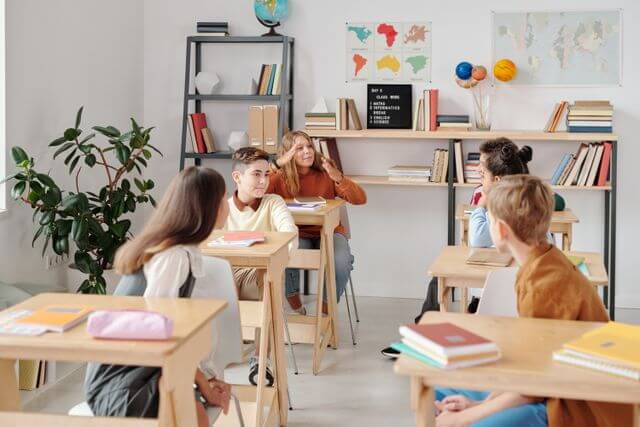
An average class size of eight gives lessons a more direct and personal character. Teachers can respond to individual progress, while pupils have a greater scope to ask questions, test ideas, and explore subjects at an appropriate level. A student-to-teacher ratio of about two to one also supports the school’s highly tailored academic model.
Daily academic life can include:
- Subject lessons based on personal academic plans
- Dedicated preparation for recognised examinations
- Access to numerous language options
- Direct feedback from teachers
- Courses linked to individual talents and future goals
Campus Life Adds Structure Beyond Lessons
Academic freedom exists alongside clear expectations for conduct, manners, and personal responsibility. The school uses a defined code, and pupils can receive immediate feedback based on their choices, while certain privileges may depend on responsible conduct. Shared meals also follow established customs, which add routine and etiquette to everyday campus life.
Life Across the Campus
Classrooms and student residences share a 25-acre campus composed of several villa-style buildings. Pupils remain part of a close residential community after formal classes end, so friendships, recreation, study, and personal responsibilities all form part of the same environment. This arrangement gives the school day a strong sense of continuity from morning lessons through evening activities.
Technology and Creative Projects Extend the Curriculum
Some of the most distinctive experiences come from projects that connect classroom knowledge with science, design, technology, and real professional expertise. Pupils have access to spaces such as a Future Park, creative facilities, experimental structures, and technology developed through external partnerships. Past projects have included AI-based design work and environmental experiments that place practical problem-solving beside traditional academic study.
Specialist Insight Helps Families Assess Elite Education
For families who assess international schools, specialist education and wealth publications can provide useful context beyond brochures, fee schedules, and admissions material. Detailed school profiles, independent visits, interviews, and education indexes can reveal how curriculum design, student culture, facilities, costs, and academic priorities translate into everyday life. Such context can help families examine an institution from several practical angles before they form a view about its suitability.
The strongest impression comes from the balance between individual choice and clear expectations. Searches for Institut auf dem Rosenberg Reviews can reflect understandable curiosity about how an unusual educational philosophy translates into an actual school day, especially when personal study plans, advanced facilities, and extensive enrichment sit beside firm standards of conduct. Daily life ultimately shows how education can combine academic preparation, personal interests, responsibility, and exposure to ideas that reach well beyond a conventional classroom.
