


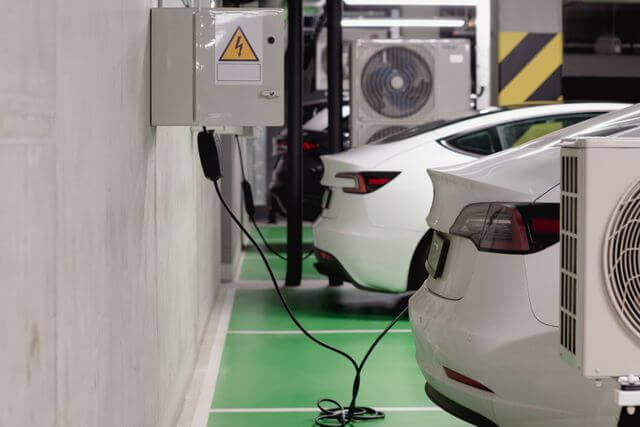
Electric vehicles continue to gain attention because of their potential to reduce emissions and support cleaner transportation. Battery performance remains one of the biggest factors that influences driving range, charging convenience, safety, and long-term ownership costs. Engineers continue to address complex technical challenges before batteries can meet growing consumer and industry expectations.
Advances in EV car battery technology have created significant progress, yet several engineering obstacles still require practical solutions. This article explores ten important challenges that influence the future of electric vehicle battery development.
1. Increase Energy Density Without Increasing Battery Size
Drivers desire greater distances covered without trading away car space or increasing the weight of the batteries. Engineers have continued to look for materials that can pack more energy in the same-sized batteries. Increased energy density helps car makers increase the distance covered using small battery packs. Ceramic materials, solid electrolytes, and advanced electrode designs are still being considered since they can increase energy density without losing strength.
Increased battery energy density is a key consideration according to the U.S. Department of Energy since increased energy density increases the driving range of electric cars.
Approaches That Can Improve Energy Density
- Develop higher-capacity electrode materials.
- Improve solid-state battery cell designs.
- Reduce inactive materials inside battery packs.
- Optimize battery cell architecture for efficiency.
- Evaluate advanced ceramic battery components.
2. Reduce Charging Time Without Damaging Battery Cells
Fast charging remains one of the key factors when buying electric cars. Consumers want charging processes that will be similar to fuel filling. However, engineers have to combine fast charging with the safety of batteries since too much heat and fast ions can decrease the battery’s longevity. The battery’s chemical composition, cooling system, and charging process all ensure better charging efficiency.
Ways to Support Faster Charging
- Improve battery cooling during charging cycles.
- Design smarter battery management software.
- Develop fast-charge compatible cell chemistry.
- Optimize charging current distribution carefully.
- Test charging performance under different conditions.
3. Improve Battery Safety Under Extreme Conditions
Safety is always a high priority in the development of all types of batteries. There are a variety of environmental factors, such as weather conditions, road conditions, and charging circumstances, to which EV batteries are exposed. Heat, mechanical damage, manufacturing defects, or an internal short circuit could cause safety problems if protective measures are not there.
Key Engineering Priorities for Better Safety
- Strengthen battery cell protection systems.
- Improve thermal runaway prevention methods.
- Enhance impact-resistant battery packaging.
- Monitor battery conditions in real time.
- Validate safety through extensive testing.
4. Extend Battery Life Across Thousands of Charge Cycles
Replacing batteries is considered to be among the biggest expenses associated with owning an electric car over the long term. The design of materials and batteries is constantly evolving to ensure the cells do not lose charge through charging and discharging. Extended life of the batteries is good for manufacturers, fleet companies, and vehicle owners as this reduces the cost of maintenance.
Strategies That Improve Battery Longevity
- Select durable electrode materials carefully.
- Reduce battery stress during charging.
- Improve electrolyte chemical stability.
- Control operating temperatures consistently.
- Monitor long-term battery degradation patterns.
5. Manage Heat More Efficiently During Operation
Temperature plays an important role in the working of batteries. The batteries produce heat as the vehicle accelerates or charges. When the temperature is too hot, it leads to low efficiency, and when the temperature is too low, it will limit energy production. The engineers keep improving the thermal management systems to provide equal distribution of heat.
Practical Solutions for Better Thermal Management
- Improve liquid cooling system efficiency.
- Use advanced heat-resistant materials.
- Optimize battery pack airflow design.
- Install accurate temperature monitoring sensors.
- Test cooling performance under heavy loads.
6. Lower Manufacturing Costs Without Reducing Quality
The manufacture of batteries is still among the most expensive aspects in the production of electric vehicles. Researchers have been trying out different materials and methods of production in order to lower the cost of production while at the same time keeping the quality of the batteries steady. This means that better manufacturing processes can make electric cars cheaper without any compromise on the battery’s quality.
Steps That Support Cost-Effective Manufacturing
- Improve material efficiency during production.
- Reduce manufacturing waste wherever possible.
- Automate battery assembly for greater consistency.
- Standardize battery components across product lines.
- Evaluate alternative materials with proven performance.
7. Improve Material Sustainability
The manufacturing of batteries is based on materials like lithium, nickel, cobalt, and graphite. The engineers constantly look for other materials that would be less harmful to the environment but still have good battery properties. Selection of sustainable materials is also helpful in building a stronger supply chain and adopting better manufacturing processes.
Ways to Support Sustainable Battery Development
- Increase recycled material use in batteries.
- Explore alternative battery chemistries.
- Improve raw material recovery processes.
- Reduce dependence on limited resources.
- Design batteries for easier recycling.
8. Strengthen Battery Performance in Cold and Hot Weather
Electric cars work in various weather conditions, and the efficiency of the batteries depends on the temperature. Low temperatures may decrease the amount of energy, as well as prolong the time of charging, while high temperatures may add stress to the batteries and speed up their deterioration. There are many improvements in batteries and their management systems.
Methods That Improve Climate Performance
- Improve insulation around battery systems.
- Refine temperature control technologies.
- Test batteries across different climates.
- Optimize charging for seasonal conditions.
- Develop materials with greater thermal stability.
9. Simplify Battery Recycling and End-of-Life Recovery
With the increase in the adoption of electric vehicles, it is imperative that battery recycling plays a bigger role in future operations. Engineers need to develop batteries that allow the extraction of valuable metals once they have completed their service life. Efficient recycling techniques will lead to decreased wastage and lower dependence on mining.
Practical Steps for Better Battery Recycling
- Design battery packs for easier disassembly.
- Separate valuable materials efficiently.
- Improve recycling process automation.
- Increase recovery rates for battery materials.
- Support closed-loop manufacturing practices.
10. Improve Battery Management Systems
A battery management system is an instrument that measures battery condition, its temperature, charging process, and its power distribution. With the help of this tool, it is possible to achieve maximum performance levels and also to protect the battery from any kind of damage. Currently, there are a lot of efforts to make software programs and sensors work more effectively. This will allow the battery to be used more efficiently.
Key Areas for Future Development
- Improve battery monitoring accuracy.
- Strengthen predictive maintenance capabilities.
- Optimize power distribution continuously.
- Enhance communication between battery components.
- Develop smarter control algorithms.
Frequently Asked Questions
1. What part do advanced materials play in batteries?
Advanced materials are used to enhance energy storage, thermal stability, robustness, and charging capabilities. Engineers are still looking for ceramics and solid electrolytes to increase battery performance.
2. Is there a potential for better battery technology in commercial transport?
Yes. Improved performance will benefit delivery services, mass transit, industrial applications, and logistics processes by offering more range, reducing downtime, and enhancing efficiency in their use.
3. What is the rationale behind battery testing by engineers prior to manufacture?
Testing ensures performance in a wide variety of temperatures, charge rates, vibration levels, and operating conditions.
The batteries of electric cars keep improving due to advances in materials science, engineering, manufacturing processes, and battery management. There are many issues to be solved in terms of energy storage density, charging rate, environmental friendliness, recycling, etc. It will take further research and development to produce more efficient batteries with higher energy capacity, faster charging rates, and longer life spans. With all these issues solved, electric cars will become much more efficient, reliable, and available to people.
