


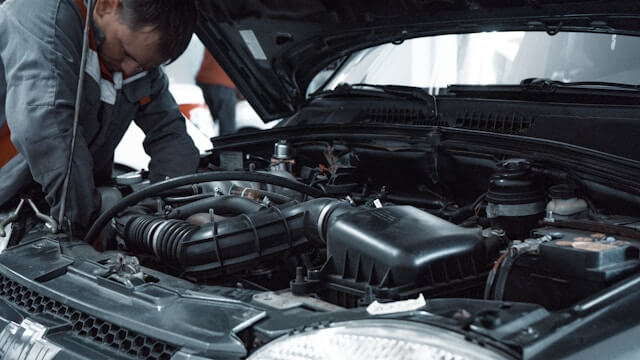
Most drivers do not think much about their car until it makes a strange noise or a warning light flicks on. By then, what could have been a routine, inexpensive fix has often turned into a repair bill that arrives at the worst possible time.
That pattern is more common than most people realize. Skipping small services in the name of saving money tends to do the opposite, quietly setting drivers up for far larger expenses down the road. The encouraging part is that avoiding that trap does not require a mechanic’s toolkit or a spare afternoon every weekend, just a bit of consistency and a smarter approach to where the money goes.
Mechanics see the same story play out on a loop. A driver puts off a fifty dollar service because the car still seems to run fine, and a year later that same neglected issue has snowballed into a repair that costs ten times as much. Reversing that pattern is less about spending more on the car and more about spending smarter, at the right time, on the right things.
Why Small Neglect Turns Into a Big Bill
Car maintenance operates on a simple, if easy to forget, principle. Catching a problem early is almost always cheaper than catching it late.
AAA Club Alliance has pointed out that skipping something as routine as an oil change or ignoring a dashboard warning light can turn a modest service visit into a major repair, since components that run low on lubrication or coolant tend to wear down other parts around them. A ten dollar air filter left unchanged, for instance, can force an engine to work harder and burn more fuel for months before anyone notices.
Tires are another area where small neglect adds up quickly. The National Highway Traffic Safety Administration’s TireWise program notes that underinflated tires wear unevenly, reduce fuel efficiency, and increase the risk of a blowout, all of which cost drivers money whether they realize it or not. Checking tire pressure once a month takes less than five minutes and remains one of the cheapest habits a driver can build.
Following the maintenance schedule in the owner’s manual, rather than guessing at intervals, is the other half of the equation. Consumer Reports’ maintenance checklist walks through the services, from brake inspections to timing belt replacement, that are easy to postpone but expensive to ignore once they are overdue. A mechanic quoted in similar guidance often puts it simply: the manual is not a suggestion, it is a budget plan in disguise.
Seasonal changes add another layer worth planning for. Cold weather is harder on batteries, tire pressure, and fluid viscosity, while summer heat accelerates the wear on belts, hoses, and coolant systems. A quick seasonal check twice a year, ahead of the temperature swings rather than after something fails, tends to catch these issues while they are still cheap to fix.
Smart Habits That Cut Costs Without Cutting Corners
Beyond sticking to a schedule, a handful of practical habits can meaningfully lower what a family spends on their car each year.
Comparison shopping for service is one of the simplest. Labor rates and parts markups vary significantly between dealerships and independent shops, and getting two or three quotes for anything beyond routine maintenance, particularly for larger repairs, can reveal a wide gap in price for the same work.
Parts sourcing matters just as much as labor. Not every repair requires a brand new, dealership-priced component straight off the shelf. For older vehicles especially, drivers increasingly compare options that include certified pre-owned parts, and marketplaces such as Ovoko pre-owned auto parts have made it easier to find tested components with documented histories, often at a fraction of the cost of new. Weighing that option alongside a dealership quote before agreeing to any repair is one more way to keep a maintenance bill from spiraling.
Basic do-it-yourself tasks are worth learning as well, even for drivers who are not naturally mechanically inclined. Checking oil levels, replacing wiper blades, swapping an air filter, and topping off washer fluid are all jobs that typically take a few minutes and cost a fraction of what a shop would charge to do the same thing.
It is worth knowing where to draw the line, though. Brake work, suspension repairs, and anything involving the electrical or emissions systems are usually better left to a trained technician, since a mistake in those areas can be both dangerous and more expensive to correct than the original problem. Treating do-it-yourself maintenance as a way to handle the easy, low-risk tasks, rather than a substitute for professional service, keeps the savings without adding new risk.
Extended warranties and service contracts are worth a second look as well, particularly for a car still within a few years of its original coverage. Reviewing what is actually included, and comparing that against the cost of simply paying out of pocket for likely repairs, can prevent drivers from either overpaying for coverage they will not use or being caught without protection for a component that commonly fails on their specific model.
Timing also plays a role that many drivers overlook. Scheduling non-urgent maintenance during a shop’s slower season, or bundling several small services into one visit, can reduce labor charges and cut down on the number of times a car needs to be dropped off. Building a small, dedicated savings cushion specifically for car repairs, separate from the rest of the household budget, also helps absorb the occasional larger bill without derailing other financial plans.
Finally, keeping a simple maintenance log, even a basic note on a phone, helps drivers spot patterns, like a recurring issue that keeps resurfacing, before it becomes a pattern of expensive repeat visits to the same shop.
Conclusion: A Little Discipline Goes a Long Way
None of these habits require a dramatic overhaul of how a family manages its car. Checking tire pressure monthly, following the manufacturer’s service schedule, comparing quotes before agreeing to a repair, and considering well-documented pre-owned parts where they make sense are all small, manageable steps.
Taken together, though, they add up to something significant: a car that lasts longer, breaks down less often, and costs noticeably less to keep on the road over its lifetime. The families who save the most on car maintenance are rarely the ones who avoid the mechanic altogether. They are the ones who show up on schedule, ask the right questions, and treat their car as a long-term investment rather than a problem to deal with only when something breaks.
In short, the cheapest repair is almost always the one that never had the chance to become a bigger problem. A monthly tire check, a service schedule that gets followed rather than postponed, a comparison quote before signing off on major work, and a willingness to weigh every reasonable parts option all cost very little time. What they buy in return, a car that holds its value, runs reliably, and rarely delivers an unwelcome surprise, is worth far more than the minutes it takes to stay on top of it.
