


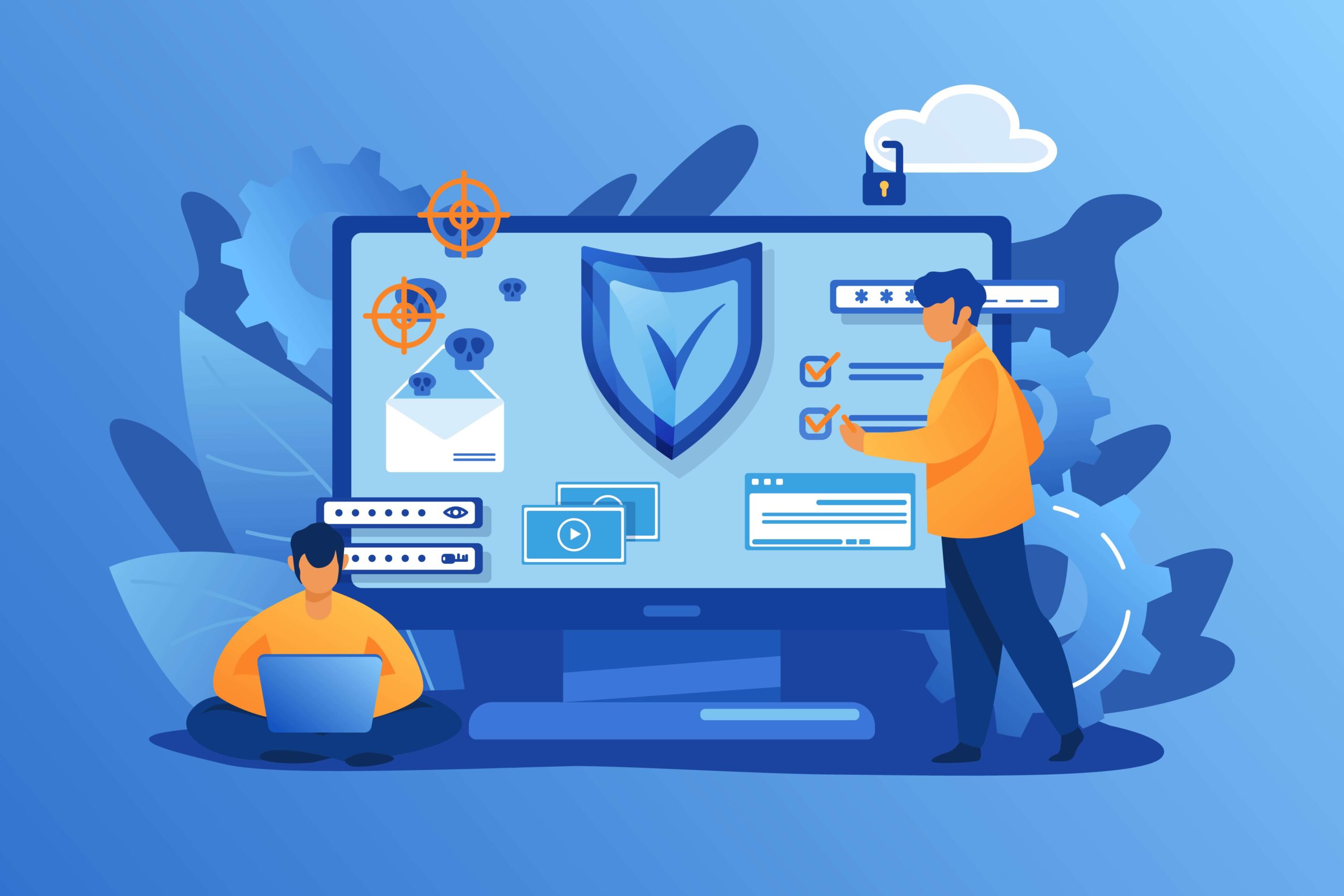
Why Fintech Needs Purpose-Built Web Platforms
A secure, reliable website is the first line of trust between a fintech company and its customers. Partnering with a specialized fintech web development team ensures platforms are engineered for compliance, performance, and clarity. The right development partner translates complex financial services into intuitive digital journeys that reduce friction, protect sensitive data, and support regulatory requirements.
Key Technical Principles for Ensuring Reliability
Fintech platforms must strike a balance between user-friendliness and strict technical controls. When developing systems that customers and regulatory bodies can rely on, the following five principles are of paramount importance:
- Built-in security through encryption, secure APIs, and role-based access control
- Reliable infrastructure using scalable cloud services and distribution via CDN
- Clear compliance workflows that include audit trails and data governance
- Fast and accessible interfaces optimized for mobile devices and assistive technologies
- Incident observability and response through logging, monitoring, and alerts
- How each principle builds trust
Security by design
Security measures must be visible and verifiable. Implementing end-to-end encryption, payment tokenization, and regular penetration tests demonstrates a proactive stance. Publicly documented security practices and certifications further reassure users and partners.
Reliable Infrastructure
Fintech services often face sudden spikes in traffic during market events or new product launches. Designing systems with horizontal scaling, seamless performance degradation, and automatic failover to backup resources in mind helps avoid downtime and maintain customer trust at critical moments.
Compliance and Documentation
Regulatory compliance is not a one-time checklist but an ongoing process. Integrating compliance checks into CI/CD pipelines, maintaining versioned documentation, and creating immutable audit logs make it easier to demonstrate adherence to standards such as GDPR, PSD2, or local financial regulations.
Performance and accessibility
A slow or confusing interface undermines trust. Prioritizing performance optimization-lazy loading, efficient caching, and minimized data volumes-combined with WCAG-compliant accessibility practices ensures broad and reliable access and reduces drop-off rates.
Monitorability and Continuous Improvement
Real-time monitoring, user analytics, and post-incident analysis enable teams to quickly identify anomalies and address vulnerabilities. A culture of continuous improvement demonstrates to clients that the platform is actively maintained and evolving.
Choosing a development partner
When selecting a fintech development partner, evaluate their technical expertise, industry experience, and process maturity. Look for teams that can demonstrate secure architectural patterns, expertise in regulatory compliance, and a proven track record of building scalable systems. Case studies, technical documentation, and client testimonials provide concrete evidence of competence.
Secure and scalable web platforms are not an option for fintech companies-they are the foundation of trust. By prioritizing security, resilience, regulatory compliance, performance, and observability, fintech companies can turn technical requirements into strategic advantages. A specialized fintech web development partner translates these fundamentals into practical solutions that protect users, meet regulatory requirements, and ensure sustainable growth.
