


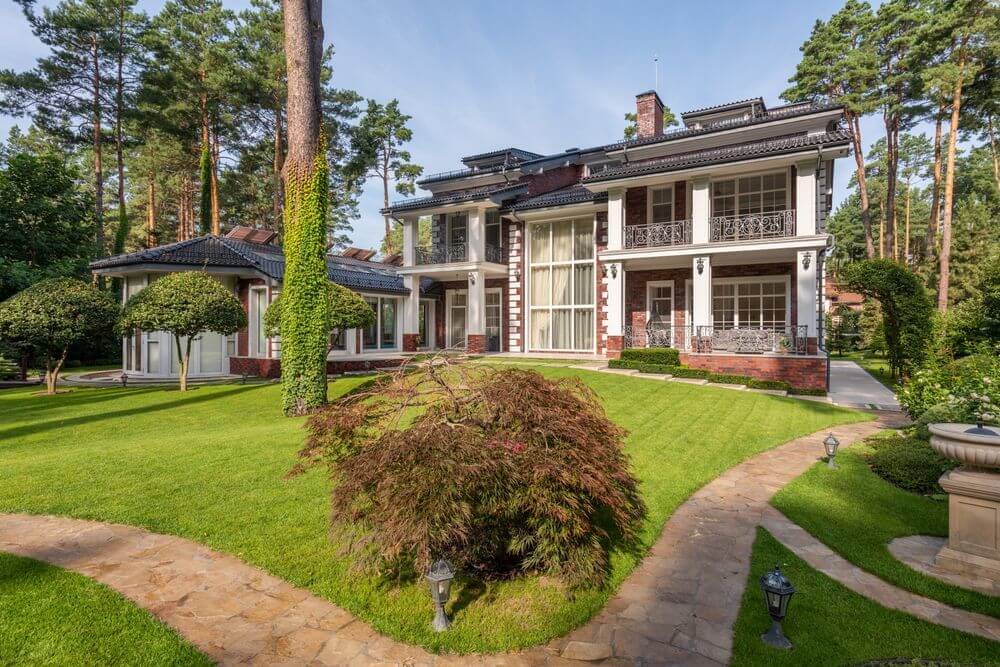
Have you ever looked at a neighbor’s yard and wondered how it always seems healthy and well-maintained while yours struggles despite your efforts? The truth is that many homeowners spend a lot of money on landscaping without realizing that a few common mistakes can quickly turn into expensive problems.
Landscaping is more than planting flowers and mowing the lawn. It requires planning, regular maintenance, and smart decisions that support the long-term health of your outdoor space. When small issues are ignored, they can lead to dead grass, damaged plants, drainage concerns, and higher utility bills.
The good news is that most landscaping mistakes are preventable. By understanding what to avoid, homeowners can save money, reduce maintenance, and enjoy a yard that looks great throughout the year.
Overlooking Proper Watering and Irrigation Planning
One of the most common and costly landscaping mistakes is failing to create an effective watering plan. Many homeowners assume that more water automatically leads to healthier grass and plants. In reality, both overwatering and underwatering can damage your landscape.
Too much water can weaken root systems, encourage disease, and waste money on utility bills. Too little water can leave lawns dry, patchy, and unhealthy. Inconsistent watering schedules often create similar problems.
This is why many homeowners choose to work with an expert lawn irrigation company when planning or maintaining their landscape. Proper irrigation systems help deliver the right amount of water where it is needed most, reducing waste while supporting healthier growth.
A well-designed irrigation system can also prevent runoff and improve overall efficiency, helping homeowners avoid costly lawn repairs in the future.
Planting the Wrong Plants for Your Climate
It is easy to fall in love with a plant at a garden center and assume it will thrive in your yard. Unfortunately, not every plant is suited for every climate.
Plants that require more water, shade, or maintenance than your environment naturally provides often struggle to survive. As a result, homeowners may spend money replacing plants year after year.
Choosing plants that are well-suited to your local climate can significantly reduce maintenance needs. Native plants are often a smart option because they are already adapted to local weather conditions and soil types.
Before adding new plants to your landscape, take the time to research their needs. A little planning up front can save a lot of money over time.
Ignoring Drainage Problems
Poor drainage is another issue that many homeowners overlook until significant damage has already occurred.
When water collects in certain areas of the yard, it can create muddy patches, kill grass, damage landscaping features, and even contribute to foundation concerns. Standing water can also attract mosquitoes and create safety hazards.
Some signs of drainage issues include puddles that remain long after rainfall, soil erosion, and areas where grass consistently struggles to grow.
Addressing drainage concerns early can help prevent expensive repairs later. Solutions may include grading adjustments, drainage systems, or strategically placed landscaping features that help move water away from problem areas.
Using Too Much or Too Little Mulch
Mulch plays an important role in maintaining healthy landscapes. It helps retain moisture, suppress weeds, and regulate soil temperature. However, applying the wrong amount can create problems.
Some homeowners pile mulch too high around trees and plants. Excessive mulch can trap moisture against trunks and stems, leading to rot, disease, and pest issues.
On the other hand, using too little mulch reduces its effectiveness and allows weeds to spread more easily.
A moderate layer of mulch is usually the best approach. It provides the benefits of moisture retention and weed control without creating unnecessary risks for plants.
Planting Trees Too Close to Structures
Trees add beauty, shade, and value to a property, but poor placement can create serious issues over time.
Many homeowners underestimate how large a tree will become as it matures. Roots can spread beneath driveways, sidewalks, and foundations, causing cracks and structural damage. Branches can also interfere with roofs, gutters, and utility lines.
Removing a mature tree or repairing damage caused by improper placement can be very expensive.
Before planting a tree, consider its mature size and allow plenty of room for future growth. A little planning today can help prevent major expenses years from now.
Focusing Only on Appearance Instead of Function
A beautiful landscape is important, but appearance should never be the only consideration.
Some homeowners prioritize visual features without thinking about how the space will function. This can lead to maintenance challenges, drainage problems, and inefficient use of resources.
For example, installing decorative features without considering water flow may contribute to flooding issues. Choosing high-maintenance plants simply because they look attractive can increase ongoing costs.
The most successful landscapes balance beauty and practicality. A well-planned yard should look great while also supporting efficient maintenance and long-term durability.
Forgetting to Budget for Long-Term Landscape Care
Many landscaping projects focus heavily on installation costs while overlooking future maintenance expenses.
Every landscape requires ongoing care. Lawns need watering and mowing. Plants require trimming and occasional replacement. Irrigation systems may need inspections and repairs.
Without a long-term budget, homeowners may struggle to keep their landscapes in good condition, leading to gradual decline and larger repair costs.
When planning a landscaping project, it is important to think beyond the initial installation. Understanding future maintenance needs helps ensure that the landscape remains healthy and attractive for years to come.
A well-maintained landscape can be one of the most valuable features of a home, but it requires thoughtful planning and consistent care. Many costly landscaping problems begin with simple mistakes such as improper watering, poor plant selection, neglected maintenance, or drainage issues.
By taking a proactive approach and making informed decisions, homeowners can avoid unnecessary expenses while creating an outdoor space that is both beautiful and functional. Investing time in proper planning today can save significant money and frustration in the future, helping your landscape thrive season after season.
