


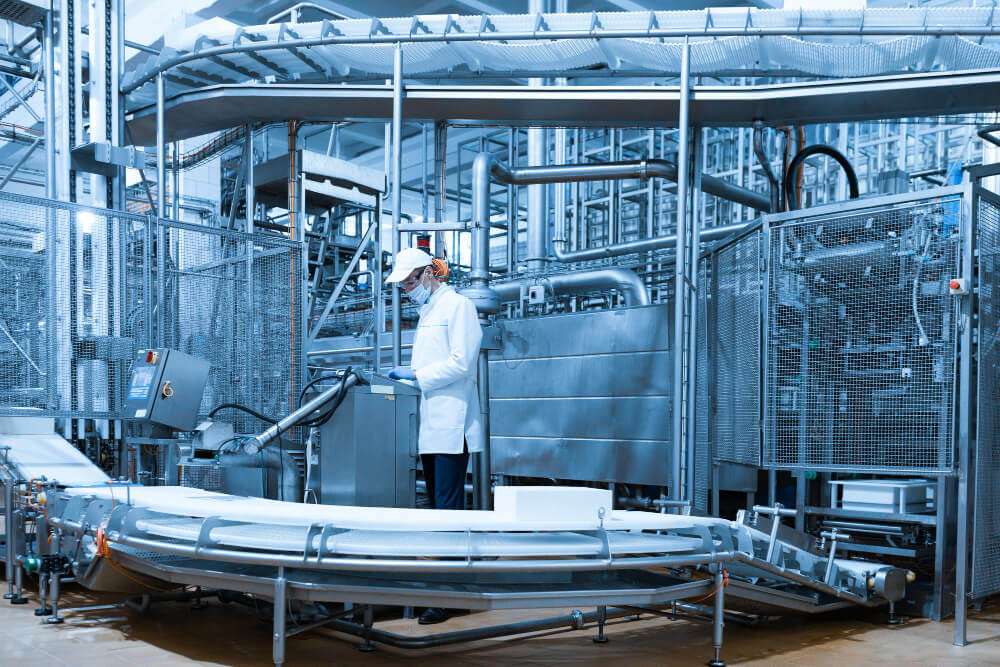
Ever wondered what happens behind the scenes in factories or warehouses that makes stuff zip from one place to another seamlessly? Well, let’s chat about conveyor belt systems. Picture conveyor belts as the magical moving sidewalks for products. You know, like those fun moving sidewalks at airports, but instead of us lazy travelers, they’re shuffling products around at warp speed!
Today, we’re diving into the metal conveyor belt systems and how they’re stepping up the game in industrial settings. Oh, and let me give a shout-out to Wire Belt Company, who’s absolutely killing it in this space! These guys are the gurus in designing, manufacturing, and installing all sorts of specialized conveyor belts for food processing and industrial applications. Right off the bat, here’s a mesh conveyor belt link about their awesome work if you want to see some shiny metal in action.
Why Conveyor Belt Systems are No Joke in Industry
Here’s the thing: Conveyor belts keep the world’s industries humming smoothly. They play a fundamental role in moving goods efficiently, cutting down manual labor, and bringing that sweet, sweet productivity boost every company dreams of.
Imagine a hectic warehouse scene where thousands of packages move swiftly yet systematically. That’s where conveyor belts come into play. They’re the unsung heroes making sure everything runs swiftly from start to finish. Whether it’s a lightweight chocolate bar or a hefty cement block, there’s a conveyor belt ready to handle it.
The Components of an All-Star Conveyor Belt System
Let’s break it down, piece by piece, in quick, bite-sized chunks. Here’s what makes up these industrial champs:
- The Belt: The star of the show! It can be made from fabric, solid woven materials, or even steel cords which add a bit of oomph to handling heavier loads.
- Pulleys and Idlers: These are the behind-the-scenes helpers, giving the belt the support it needs as it moves. Think of them as the unseen hands pushing your luggage down the carousel.
- Drive Unit: The muscle of the operation! An electric motor and gearbox give the pulley the power to keep everything moving smoothly.
- Support Structure: This is what keeps everything solid and stable, ensuring the belt doesn’t wobble under pressure.
- Safety Devices: With great power comes great responsibility. Safety is a biggie here! Emergency stops, guard rails, and sensors make sure things don’t go haywire.
Types of Conveyor Belt Systems: Pick Your Hero
Now, you’ve probably seen different setups in places like airports or factories, right? Here’s a breakdown of the major conveyor belt types and where they strut their stuff:
- Belt Conveyors: These are the quintessential movers for heavy-duty, straight, or inclined product transfers in sectors like mining or ports. A workhorse for bulk solids and packages.
- Roller Conveyors: More about the good ol’ gravity game or powered motion, perfect for moving boxes in warehouse settings.
- Chain Conveyors: Think toughness, handling high temperatures with ruggedness in industries like automotive or steel manufacturing.
- Overhead Conveyors: If you need products to hover through your processes, overhead conveyors are your go-to. Super handy in automotive assembly lines or paint shops.
Meet the Marvel of Modern Times: Metal Conveyor Belts
When it comes to robustness and versatility, metal belts, especially stainless steel wire mesh conveyor belt, take the crown. They’re the ultimate gladiators in handling arduous tasks in demanding environments.
Let’s say you’re running a food processing line needing impeccable hygiene and heat resistance. Stainless steel belts will be your best pals here—they don’t corrode or get funky in sticky situations.
Wire Belt Company is the go-to brand if you think “metal belts.” From offering customized projects boosting layout efficiency to technical support and belt surveys, they’re the ally you didn’t know you needed. Their aim? To help businesses slash downtime and pump up productivity. You heard it, Wire Belt Company makes sure those belts spin round and round without a hitch.
Getting Conveyor Belt Systems Just Right
Selecting and setting up a conveyor system is no walk in the park, but trust me, it’s worth every bit of effort. Here’s a quick checklist:
- Know Your Material: Is it heavy, sticky, abrasive, or spicy? Because different materials have differing needs.
- Estimate Capacity: Know how much stuff you need to move per hour. Too little, and you’d have a sleepy system; too much, and things might spill over.
- Choose Appropriate Specs: Whether it’s the belt width or speed, each element needs to be tailored to the task at hand.
- Think Power: Factor in factors that’ll affect the drive power needed, like resistance and weight, to get over humps or curves.
- Safety First: Twin with the right safety features to keep operators safe and operations steady.
Keeping the Conveyor Belts on a Roll
You wouldn’t skip a car service, would you? Same goes for conveyor belts. Regular maintenance is your ticket to keeping everything moving smoothly without glitches. Quick checks, timely repairs, and routine servicing are key.
Operate with a keen eye on belt alignment, loading limits, and listen—yes, listen for any unusual sounds that might hint at issues. Then, there’s the meticulous inspection for any usual wear and tear—nipping those troubles early can save you big bucks down the road!
Step into the Future with Modern Enhancements
Want to supercharge your conveyor belt system even further? Dive into some modern tech wizardry:
- Sensors & Monitoring: Set up sensors that talk to a central computer system, giving you a heads-up on wear and tear before it even becomes an issue.
- Variable-Frequency Drives: Think of these as the super-sophisticated brains managing your belt’s workload smoothly and efficiently.
- Data-Driven Reliability: Collect data over time to adjust and perfect your operations—find out what works and what doesn’t for ultimate performance.
To Wrap It Up
So, there you have it! Conveyor belt systems making industrial operations efficient is like a well-conducted symphony. The belt keeps the rhythm, the pulleys orchestrate the movement, and the drive unit is that powerful bass drum making sure no beats are skipped.
Dive deeper with Wire Belt Company if you’re looking for top-notch metal belt solutions, bespoke services, and an awesome partner to tackle all your demanding industrial needs. Ready to take your operations to the next level? Let’s get rolling!
