


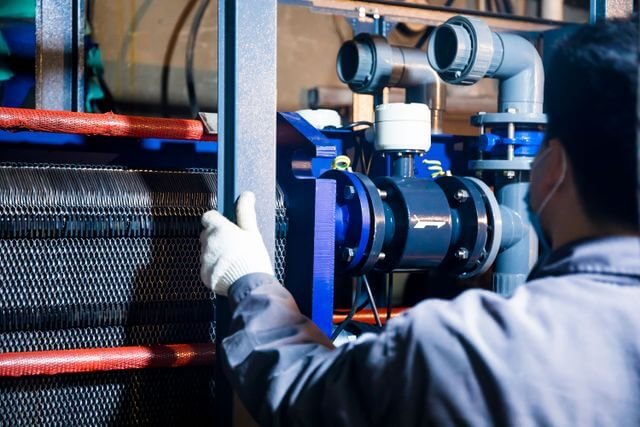
Industrial machines lose fluids when connections, seals, fittings or components break down. Small leaks increase maintenance needs, lower efficiency and damage nearby hardware. A prevention strategy is effective when technicians select appropriate materials, maintain connections and identify wear early. Consistent attention to sealing surfaces plus operating conditions allows facility managers to lower repairs and prevent fluid loss.
Inspect Sealing Components
Regular inspections identify worn sealing components before fluids escape. Seals and packing materials degrade because of high pressure, extreme temperatures, chemicals or movement. Maintenance staff must look for cracks, flattened areas, brittle textures or swelling, as these signs show a component is failing. Inspection schedules are most effective when they match the specific operating conditions but also the importance of the machinery.
Sealing components are also easier to check when technicians open machinery for repair. Reusing a damaged gasket or compromised seal often causes a leak shortly after the machine starts again. Technicians must select components based on the fluid type, temperature and pressure. Correct material selection ensures a reliable barrier exists between the fluid and the environment.
Maintain Connection Surfaces
Connection surfaces are only effective when they are clean as well as prepared correctly. Rust, scratches and old material prevent a gasket or seal from sitting flat against a surface. Workers should examine connection points during maintenance and remove contaminants using safe methods. Damaged surfaces are often in need of repair before staff install a new sealing component.
Correct assembly practices are also necessary for a good seal. Technicians should tighten fasteners according to manufacturer specifications instead of using force. Uneven tightening creates gaps or puts stress on a gasket. Proper alignment is helpful because it distributes pressure across the connection – these steps make leaks less likely after the hardware returns to operation.
Control Operating Conditions
High pressure or high temperatures place stress on industrial sealing systems. Operators should run machines within intended specifications. Sudden pressure changes are also harmful to connections and seals, especially in systems that start and stop often. Monitoring these conditions helps maintenance teams identify situations that make components break down faster.
Temperature management is important for machinery near heat sources. Insulation next to sealing materials must be suitable for the environment. As an example, ceramic fiber insulation helps manage heat when technicians install it correctly. In other cases, fiberglass rope is useful for high temperature seals. The material is only effective if it matches the machine and the environment.
Monitor Equipment Regularly
Routine monitoring reveals changes that are difficult to see during one inspection. Fluid puddles, pressure changes, low performance or smells are signs of a problem. Operators should record recurring issues and tell maintenance staff instead of ignoring small leaks. Early investigation prevents a small sealing problem from becoming a total machine failure.
Leak detection is a necessary part of preventive maintenance programs. Machinery that moves corrosive, hazardous or expensive fluids requires more frequent monitoring. Maintenance records are useful to identify parts that fail often. Reviewing the records helps managers decide if they need to change replacement intervals, installation methods or material choices.
Replace Damaged Components
Technicians should assess machinery before they tighten a connection or add more sealant to a leak. The cause is often an incorrect gasket, a damaged flange, high pressure or a worn surface. Replacing a part without fixing the cause often results in the leak returning. Maintenance staff must evaluate the whole connection when problems happen repeatedly.
Replacement materials are only reliable when they meet the requirements of the machine. Chemical compatibility, temperature, pressure plus movement influence the choice. Following manufacturer instructions reduces installation errors. Keeping spare parts available allows teams to react quickly when inspections show wear.
Conclusion
Protecting industrial machines from fluid leaks requires regular inspection, correct assembly and suitable materials. Sealing components are part of a preventive maintenance program. By monitoring hardware, fixing damaged connections and choosing correct materials, facilities lower fluid loss but also keep machinery running reliably.
